


Maintaining a pest-free environment in your furnished rental property is crucial. Not only does it ensure the comfort and satisfaction of your tenants, but it also protects your investment. Implementing effective pest control measures can prevent infestations that could lead to costly damages and repairs. In this article, we will explore essential furnished rental pest control tips to help you keep your property in top condition.
Understanding the Importance of Pest Control
Pests can cause a variety of problems in rental properties. From health risks to structural damage, the presence of pests can significantly impact the quality of life for tenants and the integrity of the property itself. By understanding the importance of pest control, landlords and property managers can take proactive steps to manage and prevent infestations.
Why Furnished Rentals are More Vulnerable
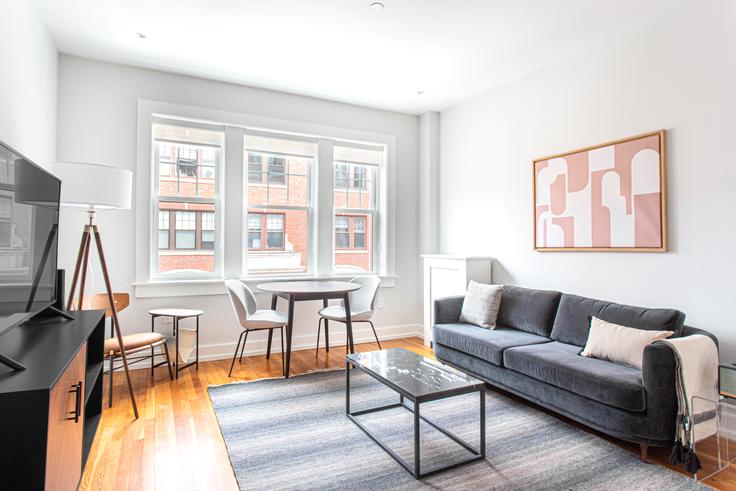
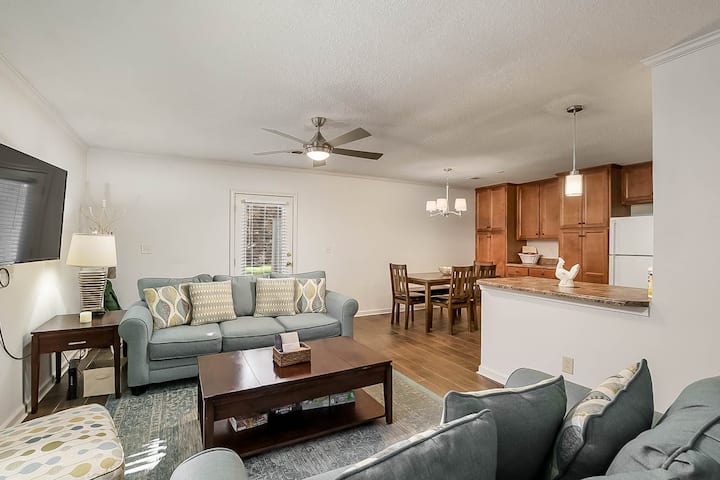
Furnished rentals often have more hiding spots for pests, such as furniture and decor. Additionally, tenants may bring in pests unknowingly through luggage or second-hand items. With more tenants coming and going, furnished rentals may have a higher turnover rate, increasing the likelihood of pest issues.
Implementing a Comprehensive Pest Control Strategy
Effective pest control requires a comprehensive approach. This includes regular inspections, preventative measures, and prompt response to any signs of infestations. By adopting a proactive strategy, you can minimize the risk of pests in your furnished rental.
Regular Inspections and Monitoring
Conducting regular inspections is crucial in identifying potential pest issues early. Look for signs of pest activity, such as droppings, nests, or damage to furniture and walls. Use monitoring tools like traps and cameras to keep an eye out for any unwanted guests.
Sealing Entry Points
Pests often enter through small cracks and crevices. Sealing these entry points can prevent pests from gaining access to your property. Pay special attention to areas around windows, doors, and plumbing fixtures.
Maintaining a Clean Environment
A clean property is less attractive to pests. Regular cleaning and maintenance can significantly reduce the risk of infestations. Encourage tenants to maintain cleanliness and provide guidelines on proper waste disposal.
Proper Waste Management
Ensure that garbage is stored in sealed containers and disposed of regularly. Overflowing trash and food waste can attract pests like rodents and insects.
Cleaning and Maintenance Tips
Regularly clean common areas and encourage tenants to keep their living spaces tidy. Address any maintenance issues, such as leaks or dampness, promptly to prevent conditions that favor pest infestations.
Partnering with Professional Pest Control Services
While DIY pest control methods can be effective, partnering with professional pest control services can provide additional protection. These experts can offer specialized treatments and advice tailored to your specific needs.
Selecting the Right Pest Control Service
When choosing a pest control company, consider factors such as experience, reputation, and the range of services offered. A professional service can provide regular treatments and inspections to keep your property pest-free.
Educating Tenants on Pest Prevention
Tenant cooperation is essential in maintaining a pest-free environment. Educate tenants on the importance of pest prevention and provide them with the necessary information and tools to help them contribute to pest control efforts.
Providing Tenant Guidelines
Create guidelines for tenants outlining their responsibilities in preventing pest infestations. This may include keeping food sealed, reporting pest sightings, and following waste disposal protocols.
Engaging Tenants in Pest Control
Encourage tenants to report any pest issues immediately and provide them with contact information for pest control services. By fostering open communication, you can address problems quickly and effectively.
Long-Term Pest Control Solutions
For long-term success in pest control, consider implementing solutions that address the root causes of infestations. This may include improvements to the propertys structure or landscaping to deter pests.
Integrated Pest Management (IPM)
Integrated Pest Management involves using a combination of strategies to control pests effectively. This approach focuses on long-term prevention and is environmentally friendly.
Conclusion
By following these furnished rental pest control tips, you can create a safe and comfortable living environment for your tenants and protect your investment. Remember, proactive measures and tenant cooperation are key to successful pest control.
FAQs
What are the common pests in furnished rentals?
Common pests include rodents, cockroaches, bed bugs, and ants.
How often should I conduct pest inspections?
Regular inspections are recommended at least quarterly, or more frequently if needed.
Can tenants contribute to pest problems?
Yes, tenants can contribute to pest problems if they do not maintain cleanliness or properly manage waste.
For more resources on managing furnished rentals, you can visit the landlord responsibilities page, or learn about security tips for your property. For a comparison of short-term and long-term rentals, check out this external resource.