


Understanding furnished rental laws by state is crucial for both landlords and tenants. With the growing popularity of furnished rentals, knowing the specific legal requirements in your state can help avoid potential conflicts and ensure a smooth rental experience. This guide aims to provide a detailed overview of the laws governing furnished rentals across different states, helping you navigate the complexities of rental agreements and tenant rights.
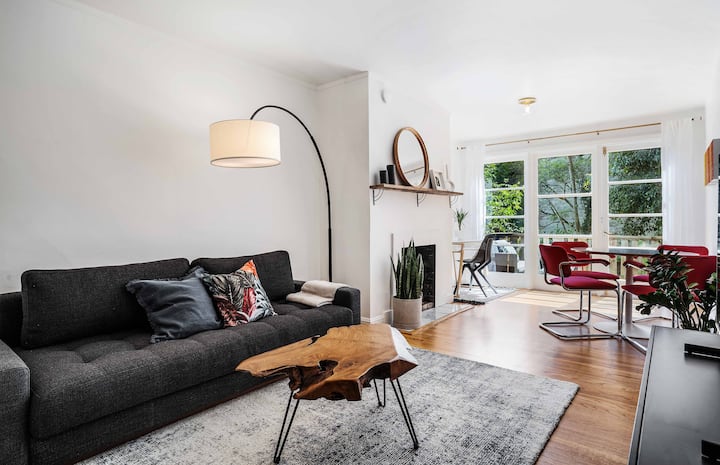
What Are Furnished Rentals?
Furnished rentals are properties that come equipped with essential furniture and appliances, making them ready for immediate occupancy. These rentals are ideal for short-term tenants, such as business travelers, vacationers, or anyone in need of temporary housing.
Importance of Understanding State Laws
Each state in the U.S. has its own set of rules and regulations regarding rental properties. Familiarizing yourself with these laws is essential for both landlords and tenants to ensure compliance and protect their rights.
General Rental Laws
Generally, rental laws cover a wide range of aspects, including security deposits, lease agreements, maintenance responsibilities, and eviction procedures. While some regulations are common across states, others can vary significantly.
Furnished Rental Laws by State
Below is an overview of furnished rental laws by state, highlighting key differences and unique requirements.
California
In California, landlords must provide tenants with a detailed inventory of all furnished items included in the rental. The state also has strict regulations on security deposits, which cannot exceed two months’ rent for furnished units. For more information, you can visit this external resource.
New York
New York law requires landlords to offer rent-stabilized leases for furnished rentals in certain areas. Tenants have the right to request a written rental agreement, and landlords must adhere to specific guidelines regarding repairs and maintenance.
Florida
In Florida, short-term furnished rentals are subject to sales tax, which landlords must collect and remit to the state. Additionally, landlords are responsible for maintaining all furnishings and ensuring they meet safety standards.
Texas
Texas law allows landlords to charge a higher security deposit for furnished rentals. However, they must provide a detailed list of all furnishings and their condition at the start of the lease.
Factors Influencing Rental Laws
Several factors can influence rental laws, including local housing markets, population density, and state policies. Understanding these factors can help landlords and tenants navigate the legal landscape more effectively.
Local Housing Markets
The demand for furnished rentals often varies by location, affecting rental prices and availability. In competitive markets, landlords may implement stricter lease terms to protect their investments.
Population Density
In densely populated areas, states may impose additional regulations on furnished rentals to address housing shortages and ensure fair practices.
Common Legal Issues
Despite the benefits of furnished rentals, legal issues can arise if landlords and tenants are not aware of their rights and responsibilities.
Security Deposits
Disputes over security deposits are common in furnished rentals. Tenants should document the condition of furnishings at move-in and move-out to avoid conflicts.
Lease Agreements
Lease agreements for furnished rentals should clearly outline the terms and conditions, including the responsibility for repairing or replacing damaged items.
Benefits of Furnished Rentals
Furnished rentals offer numerous benefits, such as convenience, flexibility, and reduced upfront costs for tenants. They are especially appealing to those seeking short-term housing solutions.
Convenience
With furnishings already in place, tenants can move in immediately without the hassle of buying or transporting furniture.
Flexibility
Furnished rentals often offer flexible lease terms, making them ideal for individuals with temporary housing needs.
How to Choose a Furnished Rental
Choosing the right furnished rental involves considering factors such as location, amenities, and rental terms. Tenants should conduct thorough research and inspect the property before signing a lease.
Location
Proximity to work, schools, and public transportation is an important consideration when selecting a furnished rental.
Amenities
Tenants should assess the amenities offered, such as parking, laundry facilities, and internet access, to ensure they meet their needs.
Conclusion
Navigating furnished rental laws by state can be complex, but understanding these regulations is essential for a successful rental experience. By staying informed and proactive, both landlords and tenants can enjoy the benefits of furnished rentals while minimizing potential legal issues.
FAQ
1. Can landlords charge extra for furnished rentals?
Yes, landlords can charge higher rent or security deposits for furnished rentals, but they must comply with state-specific regulations.
2. Are furnished rentals subject to different lease terms?
Furnished rentals may have unique lease terms, such as inventory lists and maintenance responsibilities, which should be clearly outlined in the rental agreement.
3. What should tenants inspect in a furnished rental?
Tenants should inspect the condition of all furnishings and appliances, ensuring they are functional and meet safety standards before signing a lease.