
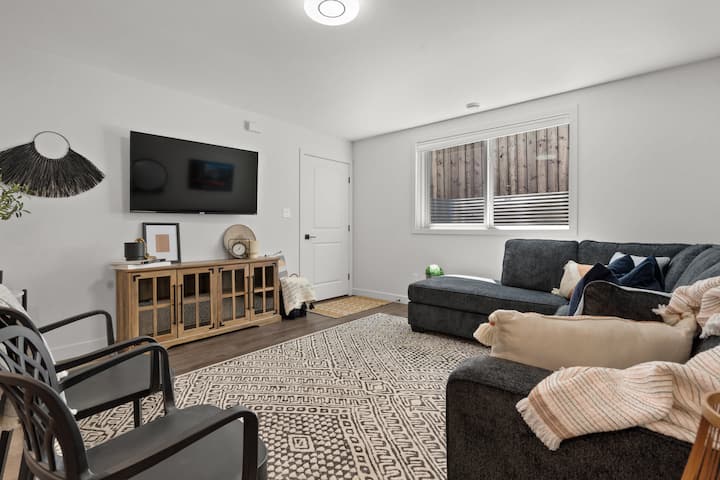

As a rental property owner, understanding the cleaning requirements by law is essential. These laws are not only about maintaining the property but also about ensuring tenant safety and satisfaction. Following these guidelines will ensure that your property complies with local regulations, which can prevent legal issues and improve tenant retention.
One might wonder why these laws are so crucial. The answer lies in the health and safety of the tenants. A clean environment prevents the spread of illnesses and pests, which is a fundamental right of every tenant. As a rental owner, you are responsible for providing a habitable living condition, which includes adhering to specific cleaning standards.

Understanding Legal Cleaning Standards
Legal cleaning standards can vary based on location, but some universal standards apply across most regions. These include ensuring that all common areas are clean and free from hazards. Regular inspections and cleaning schedules can help maintain these standards.
Common Areas and Shared Spaces
For properties with shared spaces, such as hallways or laundry rooms, owners must ensure these areas are regularly cleaned and well-maintained. This is not only a legal requirement but also a way to enhance tenant satisfaction.
Individual Unit Maintenance
While tenants are often responsible for maintaining the cleanliness of their own units, landlords must ensure that all units are in a clean and habitable condition before new tenants move in. This includes cleaning carpets, walls, and any provided furniture.
Legal Implications of Non-Compliance
Failing to meet the cleaning requirements by law can lead to serious legal consequences. Tenants can report landlords to local health departments, leading to inspections and potential fines. In severe cases, it could even result in lawsuits or the loss of a rental license.
Health and Safety Violations
Ignoring cleaning standards can result in health violations, which can harm both the tenant and the landlord’s reputation. It’s crucial to address any complaints promptly and ensure that any health hazards are swiftly rectified.
Best Practices for Rental Owners
To comply with cleaning laws, rental owners should establish a clear cleaning schedule and policy. This includes regular deep cleans and routine inspections to ensure that all areas meet legal standards.
Hiring Professional Cleaning Services
Many rental owners opt to hire professional cleaning services to ensure that all cleaning requirements are met. This can be especially useful for larger properties or those with frequent tenant turnover.
Documentation and Record Keeping
Maintaining records of all cleaning activities is important. This documentation can serve as evidence of compliance with the law, which can be invaluable in case of disputes or inspections.
Impact of Cleaning on Tenant Satisfaction
A clean and well-maintained property can significantly impact tenant satisfaction and retention. Tenants are more likely to renew their leases and recommend the property to others if they feel their living conditions are clean and safe.
Feedback and Continuous Improvement
Encouraging tenants to provide feedback on cleanliness can help identify areas for improvement. Regularly updating cleaning practices based on tenant feedback can improve overall satisfaction and compliance.
Conclusion
Understanding and adhering to the cleaning requirements by law is a crucial aspect of being a responsible rental owner. By maintaining a clean and safe environment, landlords can avoid legal issues, enhance tenant satisfaction, and ensure the long-term success of their rental properties.
Further Reading:
For more insights on managing rental properties, you can visit Rental Management Tips. Additionally, check out Retargeting Ads for Listings and understand how they can help in maintaining tenant interest.

FAQs
What are the basic cleaning standards for rental properties?
The basic cleaning standards include ensuring all common areas and individual units are clean and free from hazards. Regular inspections and maintenance are crucial.
Can landlords be fined for not meeting cleaning requirements?
Yes, landlords can face fines and legal actions if they fail to comply with cleaning laws. It’s important to stay informed about local regulations.
How often should common areas be cleaned?
Common areas should be cleaned regularly, depending on usage. High-traffic areas may require daily cleaning, while others might be fine with weekly maintenance.