
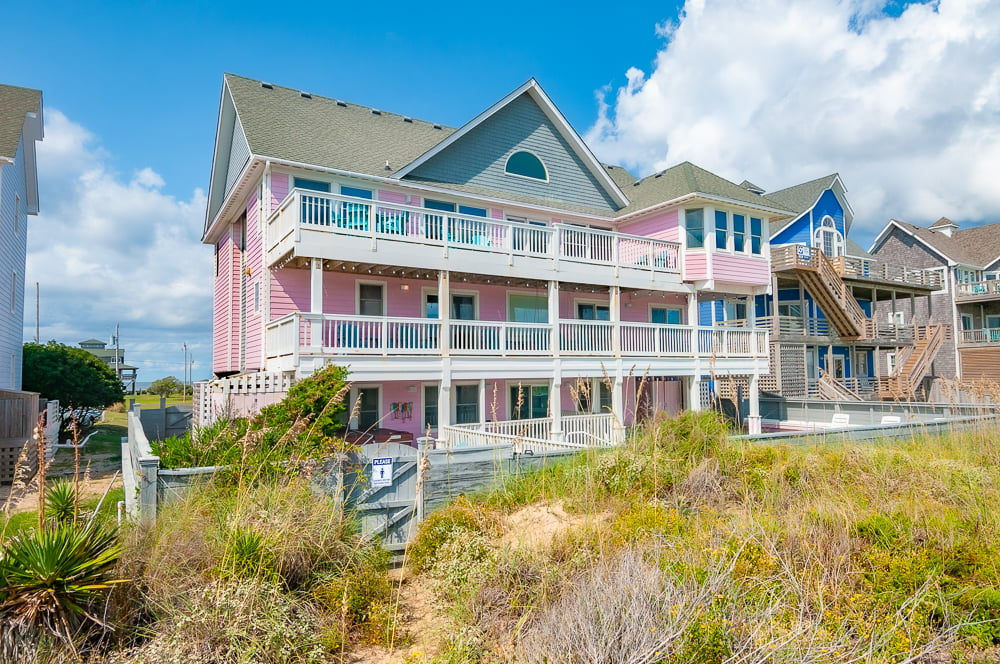

Understanding airbnb zoning and parking requirements is essential for anyone considering hosting short-term rentals. Local governments across the country have implemented specific rules to manage the growth of platforms like Airbnb, aiming to balance tourism with residential quality of life. Whether you’re a new host or looking to expand your rental portfolio, knowing how zoning and parking rules affect your property can help you avoid costly mistakes and ensure a smooth hosting experience.
These regulations can vary dramatically by city, county, or even neighborhood. Some areas have embraced short-term rentals, while others have imposed strict limits or outright bans. Parking requirements are often overlooked, but they play a crucial role in compliance and guest satisfaction. Before listing your property, it’s important to research and understand the local landscape.
For a deeper dive into how residential areas handle these issues, see residential zoning for airbnb, which covers what hosts should know about neighborhood restrictions and compliance.
What Are Zoning Laws for Short-Term Rentals?
Zoning laws are local regulations that dictate how land and buildings can be used within certain areas. For short-term rentals, these rules determine whether properties can legally operate as vacation rentals, and under what conditions. Some cities allow short-term rentals in residential zones, while others restrict them to commercial or mixed-use areas.
Common zoning classifications include:
- Residential zones: Often have the most restrictions. Some cities prohibit rentals under 30 days, while others allow them with permits.
- Commercial zones: Typically more flexible, but may require additional licensing or safety inspections.
- Mixed-use zones: These areas blend residential and commercial uses, sometimes offering more options for hosts.
It’s important to note that zoning laws can change frequently. Staying informed about local updates is key to maintaining compliance and protecting your investment.
Key Considerations for Airbnb Zoning and Parking Requirements
When evaluating a property for short-term rental use, hosts should pay close attention to both zoning and parking requirements. These two areas are often linked, as local governments seek to minimize disruptions to residential neighborhoods.
Permitting and Licensing
Many municipalities require hosts to obtain a permit or license before operating a short-term rental. This process may involve submitting an application, paying fees, and agreeing to periodic inspections. Failure to secure the proper documentation can result in fines or forced closure.
Occupancy Limits and Use Restrictions
Zoning ordinances often set limits on the number of guests, bedrooms, or rental days per year. Some cities also restrict rentals to primary residences, preventing investors from operating multiple properties in residential neighborhoods.
Parking Standards for Short-Term Rentals
Parking requirements are a critical part of local short-term rental regulations. These rules are designed to prevent overcrowding and maintain neighborhood character. Common standards include:
- Minimum number of off-street parking spaces per rental unit
- Prohibitions on street parking for guests
- Requirements for accessible parking or designated guest spaces
- Limits on the number of vehicles allowed per booking
Hosts should review their property layout and local codes to ensure they can meet these standards. In some cases, adding a driveway or improving existing parking can make a property eligible for short-term rental use.

How to Research Local Rules and Stay Compliant
Navigating the patchwork of local regulations can be challenging, but there are practical steps hosts can take to ensure compliance:
- Check city and county websites for official ordinances and permit requirements. Many municipalities provide dedicated pages for short-term rental regulations.
- Contact local planning or zoning departments to clarify any ambiguous rules or recent changes.
- Consult with a real estate attorney or property management professional who specializes in short-term rentals.
- Review your HOA or condo association rules, as these private organizations may have additional restrictions beyond city codes.
- Stay up to date by subscribing to local government newsletters or joining host associations.
For a comprehensive overview of how these rules are evolving nationwide, the AirDNA guide to short-term rental regulations offers valuable insights and up-to-date information.
Common Challenges and Solutions for Hosts
Even well-prepared hosts can encounter obstacles when it comes to zoning and parking. Here are some typical challenges and practical solutions:
- Insufficient parking: If your property doesn’t meet local parking standards, consider partnering with nearby businesses for overflow parking or offering incentives for guests to use public transportation.
- Changing regulations: Laws can shift quickly, especially in popular tourist destinations. Establish a routine for checking local updates and be ready to adapt your business model if needed.
- Neighbor concerns: Open communication with neighbors can help address worries about noise, parking, or safety. Posting clear house rules and providing a 24/7 contact number can build trust and reduce complaints.
- Permit denials: If your application is denied, ask for specific reasons and explore whether modifications (such as adding parking or limiting occupancy) could bring your property into compliance.
Additional Resources for Navigating Short-Term Rental Laws
Hosts looking for more detailed information on legal frameworks can benefit from resources like airbnb zoning laws explained, which breaks down the most common rules and offers tips for compliance. Staying informed and proactive is the best way to protect your rental business and provide a positive experience for guests.
FAQ: Airbnb Zoning and Parking Compliance
Do all cities have the same rules for short-term rental zoning?
No, zoning and parking rules for short-term rentals vary widely by city, county, and even neighborhood. Some areas allow short-term rentals in residential zones with minimal restrictions, while others require permits, limit the number of rental days, or prohibit them entirely. Always check your local ordinances before listing your property.
What happens if I don’t meet local parking requirements?
Failing to comply with local parking standards can result in fines, permit denial, or forced removal of your listing. It’s important to review your property’s parking situation and, if necessary, make improvements or seek alternative solutions such as off-site parking agreements.
Can my homeowners association (HOA) restrict short-term rentals even if the city allows them?
Yes, HOAs and condo associations can impose their own rules regarding short-term rentals, which may be more restrictive than city or county laws. Always review your HOA’s covenants, conditions, and restrictions (CC&Rs) before operating a rental.
Where can I find up-to-date information on short-term rental regulations?
In addition to local government websites, resources like the AirDNA short-term rental regulations glossary provide current information and analysis on laws across the country.