

Keeping track of energy consumption in short-term rentals (STRs) is increasingly important for property owners and managers. Rising utility costs, guest comfort, and sustainability goals all make it essential to understand how much energy your properties use and where you can make improvements. With the right tools and strategies, you can reduce unnecessary expenses, identify wasteful patterns, and even enhance your rental’s appeal to eco-conscious guests.
In this guide, we’ll explore practical ways to track and manage energy use in vacation rentals, including smart technology, actionable tips, and the benefits of a data-driven approach. If you’re also interested in optimizing other aspects of your property, such as how to automate check-in or automating lighting, there are many solutions available to streamline operations and boost efficiency.
Why Tracking Utility Consumption Matters for Short-Term Rentals
Monitoring how much electricity, gas, and water your rental uses is about more than just saving money. It’s a way to protect your investment, maintain guest satisfaction, and support sustainability efforts. Here are some reasons why keeping an eye on utility usage is crucial:
- Cost Control: Identifying excessive consumption helps you address issues before they become expensive problems.
- Guest Comfort: Smart monitoring allows you to maintain optimal temperatures and lighting, ensuring a pleasant stay.
- Sustainability: Reducing waste aligns with eco-friendly values, which can attract more bookings from environmentally conscious travelers.
- Maintenance: Unusual spikes in usage may indicate leaks, faulty appliances, or other maintenance concerns that need prompt attention.
Smart Technology Solutions for Energy Monitoring
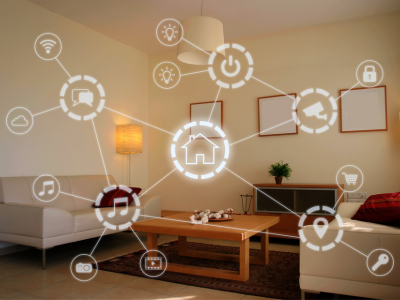
The most effective way to keep tabs on energy use in STRs is through smart home devices and automation systems. These tools provide real-time data, remote control, and actionable insights. Here are some of the most popular options:
Smart Thermostats
Devices like the Google Nest Thermostat allow you to monitor and adjust heating and cooling remotely. You can set schedules, track usage patterns, and even receive alerts if temperatures fall outside your preferred range. For more on optimizing temperature control, see our guide on automating thermostat for rentals.

Energy Monitoring Plugs and Smart Outlets
Plug-in monitors can track the electricity usage of individual appliances or rooms. These devices are ideal for identifying which items are consuming the most power, such as air conditioners, heaters, or entertainment systems. Many models offer app-based dashboards for easy tracking and control.
Whole-Home Energy Monitors
For a comprehensive view, consider installing a whole-home energy monitor. These systems connect to your electrical panel and provide detailed analytics on your property’s total consumption. Some even break down usage by circuit, helping you pinpoint inefficiencies and prioritize upgrades.
Integrating Automation for Smarter Utility Management
Automation isn’t just about convenience—it’s a powerful tool for reducing waste and ensuring consistent performance. Here’s how integrating automation can help you keep energy usage in check:
- Automated Lighting: Use motion sensors and smart bulbs to ensure lights are only on when needed. Learn more about automating lights in STR for practical tips.
- Remote Adjustments: Adjust thermostats, turn off appliances, or lock doors from anywhere, reducing the risk of energy being wasted when guests forget to switch things off.
- Scheduling: Set routines for heating, cooling, and lighting based on occupancy or time of day.
- Alerts and Reports: Receive notifications if usage exceeds normal patterns, allowing for quick intervention.
Best Practices for Monitoring Energy in Short-Term Rentals
Beyond installing smart devices, there are several habits and strategies that can help you manage utilities effectively:
- Educate Guests: Provide simple instructions on how to use thermostats, lighting, and appliances efficiently. Consider adding signage or digital guides to encourage responsible usage.
- Regularly Review Data: Make it a habit to check your energy dashboards and look for trends. Spotting issues early can prevent costly surprises.
- Set Clear Policies: If utility costs are unusually high, consider implementing usage caps or charging extra for excessive consumption. Be transparent with guests about these policies.
- Maintain Appliances: Ensure that HVAC systems, water heaters, and major appliances are serviced regularly to keep them running efficiently.
- Upgrade Where Possible: Replacing old bulbs with LEDs, installing low-flow fixtures, or upgrading to ENERGY STAR appliances can yield significant savings over time.
Leveraging Data for Long-Term Savings
The real power of monitoring comes from using the data you collect to make informed decisions. Over time, you’ll be able to identify which upgrades deliver the best return on investment, which guest behaviors impact costs the most, and where you can make further improvements.
For a deeper dive into how technology is transforming rental property management, check out this comprehensive overview of smart technology for rental properties.
Additional Tips for Efficient Utility Management
Staying proactive is key to keeping your rental’s energy use under control. Here are a few more suggestions:
- Benchmark Your Property: Compare your property’s usage to similar rentals to identify areas for improvement.
- Encourage Shorter Showers: Simple reminders or water-saving showerheads can help reduce water heating costs.
- Use Smart Locks: Not only do they improve security, but they can also integrate with automation systems to manage lighting and HVAC based on occupancy. Learn more about how smart locks work in STRs.
- Monitor for Leaks: Water sensors and smart meters can alert you to leaks or running toilets, preventing wasted water and high bills.
FAQ: Energy Monitoring in Short-Term Rentals
What are the easiest ways to start tracking energy use in my rental?
The simplest approach is to install smart thermostats and energy monitoring plugs. These devices provide immediate insights and are easy to set up. Many property owners begin with these tools before moving on to whole-home monitoring systems.
How can I encourage guests to use less energy?
Clear communication is key. Provide instructions for efficient use of heating, cooling, and lighting. Consider adding reminders in your welcome guide and using automation to control settings when the property is unoccupied.
Are there privacy concerns with monitoring energy in STRs?
Most energy monitoring devices track usage at the system or appliance level, not individual behavior. Be transparent with guests about what is being monitored and how the data is used. Avoid installing cameras or intrusive sensors in private spaces.
Can automation really reduce my utility bills?
Yes, automation helps prevent waste by ensuring systems are only active when needed. Over time, this can lead to noticeable savings, especially in properties with frequent guest turnover.
Conclusion
Effectively tracking and managing energy use in vacation rentals is a smart move for any property owner or manager. By leveraging smart technology, adopting best practices, and staying informed, you can reduce costs, improve guest experiences, and contribute to a more sustainable future. Whether you start with a single smart thermostat or invest in a full automation system, every step toward better monitoring pays off in the long run.