
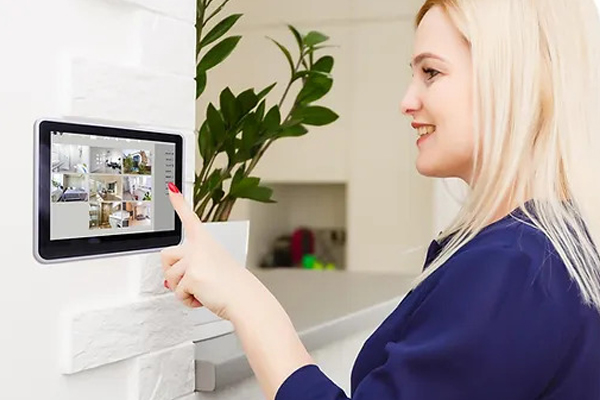

Short-term rentals (STRs) have become a popular choice for travelers and property owners alike. However, with increased guest turnover and remote management, keeping these properties secure is a top concern. One of the most effective ways to prevent unauthorized access with smart locks is by leveraging the latest advancements in home automation and security technology. This guide explores how digital locking systems offer peace of mind, streamline guest check-ins, and reduce the risks associated with traditional keys.
As STR hosts look for ways to enhance security and guest experience, understanding the role of smart locks is essential. These devices not only deter unwanted entry but also provide flexible, trackable access for both guests and property managers. Before diving into the core benefits and setup tips, it’s helpful to see how smart locks fit into the broader landscape of home automation for rental properties.
For hosts interested in a comprehensive approach, home automation for security offers valuable insights into integrating smart locks with other security features. This integration can further reduce the risk of unauthorized entry and help automate many aspects of property management.
Why Digital Locks Are Essential for Rental Security
Traditional keys present several security challenges in the context of short-term rentals. Physical keys can be copied, lost, or not returned, creating ongoing vulnerabilities. In contrast, smart locks allow hosts to generate unique, time-limited codes for each guest, ensuring that only authorized individuals can enter the property during their stay.
The ability to manage access remotely means hosts can instantly revoke or update codes if a booking changes or if a security concern arises. This flexibility is particularly useful for properties that see frequent guest turnover, as it eliminates the need for in-person key exchanges and reduces the risk of unauthorized re-entry.
How to Prevent Unauthorized Access with Smart Locks
Implementing digital locking systems in STRs involves more than just installing a new device. To maximize security and convenience, it’s important to follow best practices for setup, code management, and integration with other smart home devices.
- Unique Access Codes: Assign a distinct code for each guest reservation. Set codes to expire automatically at checkout to prevent reuse.
- Remote Monitoring: Use the lock’s app or dashboard to track entry logs in real time. This helps identify any suspicious activity or unauthorized attempts.
- Integration with Automation: Pair smart locks with other devices, such as cameras or alarms, to create a layered security system. For more on automating entry, see this guide on how to automate check-in for short-term rentals.
- Regular Updates: Keep firmware and apps up to date to protect against vulnerabilities and ensure compatibility with new features.
- Backup Entry Methods: Consider models that offer backup options, such as physical keys or mobile unlock, in case of technical issues.
Benefits of Using Smart Locks in Short-Term Rentals
The adoption of smart locks in rental properties delivers a range of practical benefits beyond just security. Hosts and guests alike appreciate the convenience and transparency these devices provide.
- Contactless Check-In: Guests can arrive at their convenience, using a code sent to them before arrival. This eliminates the need for key handovers and reduces friction at check-in.
- Audit Trails: Entry logs offer a clear record of who accessed the property and when, making it easier to resolve disputes or investigate incidents.
- Reduced Risk of Lost Keys: Since there are no physical keys to lose or duplicate, the risk of unauthorized copies is eliminated.
- Easy Access Management: Hosts can grant or revoke access instantly, whether for guests, cleaners, or maintenance staff.
- Enhanced Guest Experience: Modern, keyless entry systems can be a selling point for tech-savvy travelers seeking convenience and security.
Choosing the Right Smart Lock for Your Property
Not all smart locks are created equal. When selecting a device for your rental, consider factors such as compatibility with your door type, integration with other smart home systems, and the ability to manage codes remotely. Some models offer Wi-Fi connectivity for real-time updates, while others rely on Bluetooth or Z-Wave for local control.
Look for locks that support integration with property management platforms or automation hubs. This can simplify code generation and syncing with booking calendars, reducing manual work for hosts. For more on integrating automation, explore automating lights in STR to create a seamless guest experience.
Smart Locks and the Broader Smart Home Ecosystem
Digital locks are just one component of a connected rental property. When combined with other smart devices—such as cameras, thermostats, and lighting—they create a comprehensive security and convenience ecosystem. According to Investopedia’s overview of smart home technology, integrating multiple systems can enhance both security and energy efficiency.
For example, pairing a smart lock with a video doorbell allows hosts to verify guest identities and monitor arrivals in real time. Automated thermostats can adjust settings based on occupancy, while smart lighting can deter intruders by simulating presence when the property is vacant. These features work together to create a safer, more efficient rental environment.
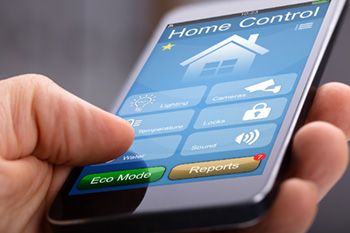
Best Practices for Managing Access in STRs
To get the most out of your smart lock investment, establish clear protocols for code management and system maintenance. Here are a few tips:
- Generate access codes only for confirmed guests and staff, and set them to expire automatically after their scheduled use.
- Regularly review access logs for any unusual activity, such as repeated failed entry attempts or access outside of reservation windows.
- Educate guests on how to use the lock, including what to do if they encounter issues during their stay.
- Have a backup plan for power outages or connectivity issues, such as a hidden physical key or a nearby contact who can assist.
For hosts interested in further automation, consider reading about automating thermostat for rentals to complement your security setup and improve energy management.
Frequently Asked Questions
Can Smart Locks Be Hacked or Bypassed?
While no security system is completely immune to tampering, reputable smart locks use strong encryption and regular firmware updates to minimize vulnerabilities. Choosing a well-reviewed model and keeping its software current can greatly reduce the risk of hacking.
What Happens If a Guest Forgets Their Access Code?
Most smart lock systems allow hosts to reset or resend codes remotely. Some models also offer alternative entry methods, such as mobile app unlock or backup keys, to ensure guests can always access the property.
How Do Smart Locks Integrate with Other Rental Automation Tools?
Many smart locks are compatible with property management platforms and home automation hubs. This allows for automatic code generation based on booking calendars and seamless integration with other devices like lights and thermostats for a unified guest experience.
Are Smart Locks Suitable for All Types of Rental Properties?
Most modern smart locks are designed to fit standard doors and can be installed on apartments, houses, and even some commercial properties. Always check compatibility with your specific door and lock type before purchasing.
Conclusion
Leveraging smart locks is a proven strategy for how to prevent unauthorized access with smart locks in short-term rental properties. By providing flexible, trackable, and secure access, these devices help hosts protect their investments while offering guests a seamless experience. When combined with other smart home technologies, digital locks form the foundation of a modern, secure, and efficient rental operation.
For a deeper dive into the technical side, see how smart locks work in STRs. By staying informed and proactive, STR hosts can confidently manage access and security in today’s fast-paced rental market.