
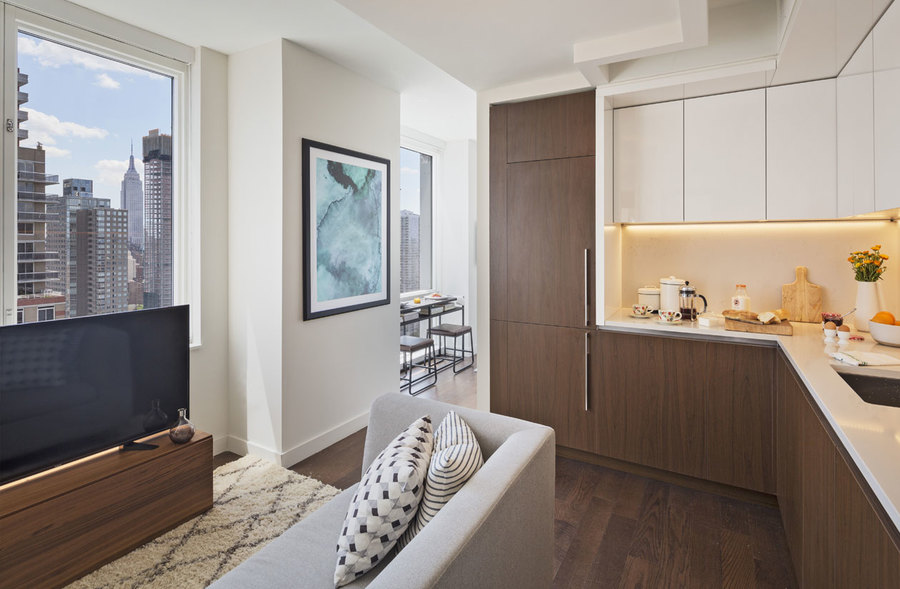

For rental owners, maintaining the integrity of their properties is crucial. One common issue that can affect furnished spaces is mold growth. Not only can mold damage the property, but it can also pose health risks to tenants. Therefore, understanding how to prevent mold in furnished spaces is vital.
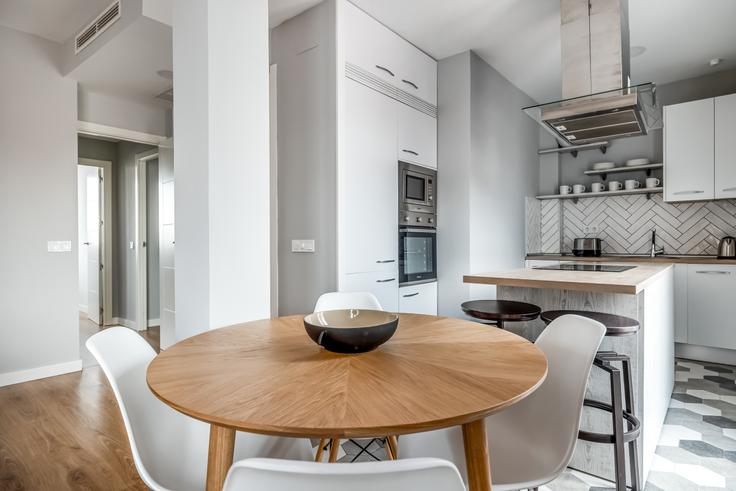
Understanding Mold Growth
Mold thrives in damp, humid environments. It’s a type of fungus that can grow on almost any surface where moisture is present. Therefore, furnished spaces need special attention to prevent mold from becoming an issue.
Common Causes of Mold in Furnished Spaces
Several factors can contribute to mold growth in furnished spaces. These include poor ventilation, high humidity, and water leaks. Identifying these issues early can help in avoiding mold.
Poor Ventilation
Poor ventilation can trap moisture inside, creating a perfect environment for mold. Ensure that your rental property has proper airflow to minimize mold risks.
High Humidity Levels
High humidity is another leading cause of mold. Using dehumidifiers can help in reducing indoor humidity levels, making it less likely for mold to thrive.
Water Leaks
Leaks from pipes or roofs can lead to water accumulation, which encourages mold growth. Regular inspections can help identify and fix leaks promptly.
Preventive Measures for Mold
Taking proactive steps can significantly reduce the chances of mold appearing in your furnished rental spaces.
Regular Inspections
Conduct regular inspections to identify potential mold sources. Early detection can prevent minor issues from becoming major problems.
Use Mold-Resistant Products
Consider using mold-resistant paints or materials in areas prone to moisture. These products can provide an extra layer of protection against mold.
Control Indoor Humidity
Maintain indoor humidity levels below 60% to inhibit mold growth. Utilize dehumidifiers and ensure proper ventilation in all areas.
Addressing Mold Once Found
If mold is detected in your rental property, it’s important to address it immediately.
Identify and Fix the Source
First, locate the source of moisture contributing to mold growth. This could be a leak or inadequate ventilation.
Professional Mold Removal
For significant mold issues, it might be best to hire a professional mold remediation service to ensure safe and effective removal.
Prevent Future Mold Growth
After addressing the current mold issue, take steps to prevent future occurrences, such as improving ventilation and monitoring humidity levels.
The Importance of Tenant Education
Educating your tenants about mold prevention can further protect your property. Provide them with information on how to reduce humidity and the importance of reporting leaks or signs of mold immediately.
Legal Considerations for Rental Owners
Rental owners have a legal responsibility to maintain a safe living environment. Understanding your obligations regarding mold can help avoid potential legal issues.
Include Mold Clauses in Leases
Consider including mold clauses in leases to outline both landlord and tenant responsibilities regarding mold prevention and management.
Compliance with Local Regulations
Ensure that your property complies with local health and safety regulations related to mold and indoor air quality.
Financial Impact of Mold
Mold can have a significant financial impact on rental properties through repair costs and potential loss of rental income.
Cost of Repairs
Mold damage can lead to costly repairs, especially if it affects structural components or furnishings.
Impact on Rental Income
Properties with mold issues may become less desirable to tenants, potentially resulting in vacancies and loss of rental income.
Insurance and Mold Coverage
Understanding your insurance policy’s coverage regarding mold is essential for financial protection.
Review Your Policy
Check whether your insurance policy covers mold damage and under what circumstances. Some policies may require specific conditions for coverage.
Consider Additional Coverage
If your current policy does not cover mold, consider purchasing additional coverage to protect against potential mold-related losses.
Utilizing Technology for Mold Prevention
Modern technology can assist in monitoring and preventing mold in your rental properties.
Smart Home Devices
Utilize smart home devices to monitor humidity levels and detect leaks before they can contribute to mold growth.
Automated Systems
Automated HVAC and dehumidification systems can help maintain optimal indoor conditions to prevent mold.
Conclusion
Avoiding mold in furnished spaces is crucial for rental owners to maintain property value and ensure tenant satisfaction. By understanding the causes of mold and implementing preventive measures, you can protect your investment and provide a healthy living environment for your tenants.
FAQs
What are the signs of mold in a rental property?
Common signs include a musty odor, visible mold spots, and increased allergy symptoms among tenants.
How often should I inspect my rental property for mold?
Regular inspections should be conducted at least twice a year, with additional checks following heavy rainfall or after tenant turnover.
Can tenants contribute to mold prevention?
Yes, tenants can help by maintaining proper ventilation, reducing humidity, and promptly reporting any leaks or mold signs.