
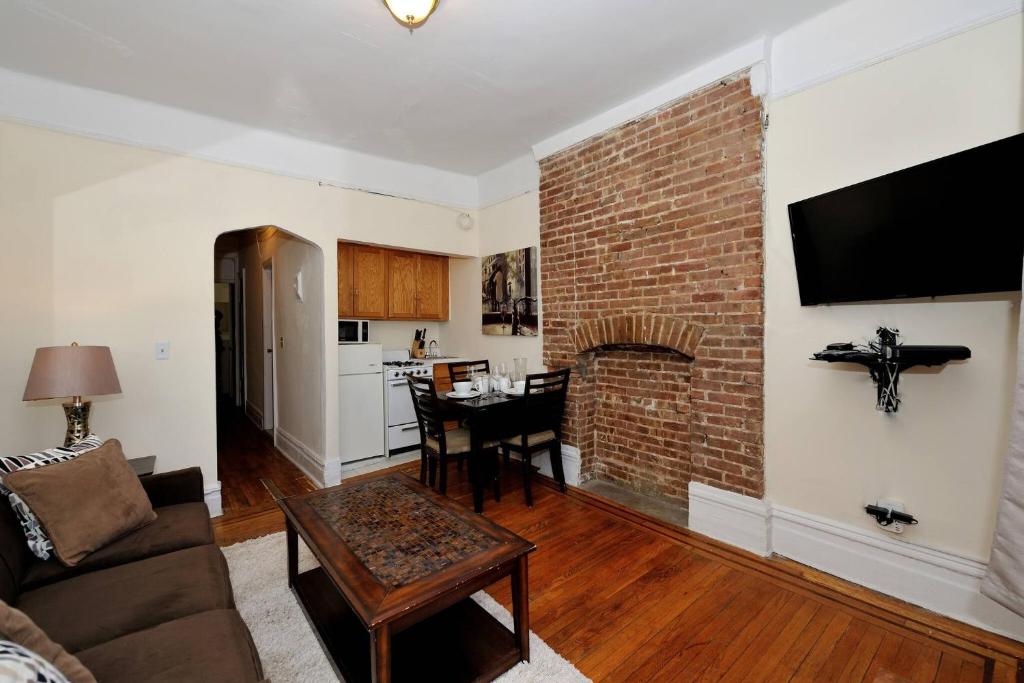

When it comes to setting lease terms for furnished properties, landlords and property managers must navigate a unique set of challenges and opportunities. Furnished rentals offer a competitive edge by attracting tenants seeking convenience and flexibility. However, crafting the right lease terms is crucial to ensure both parties benefit and protect their interests. This article delves into the intricacies of leasing furnished properties, offering valuable guidance on creating effective agreements.
Understanding Furnished Properties
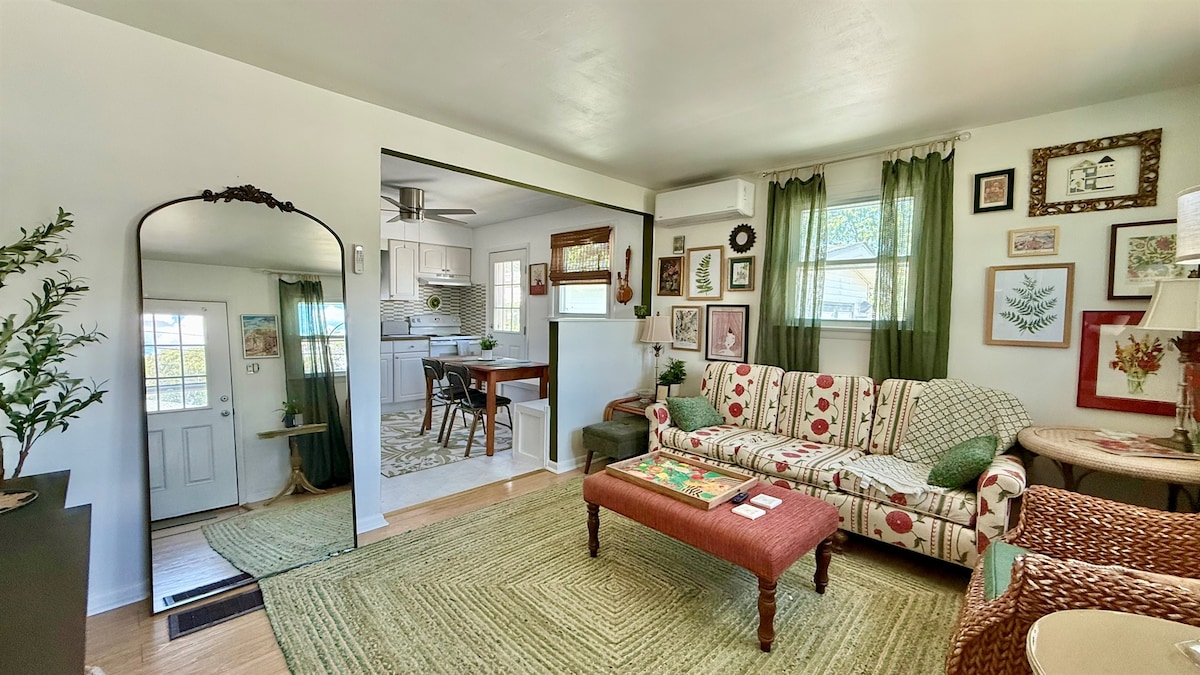
Furnished properties come equipped with the necessary furniture and appliances, making them an attractive option for temporary housing. These properties are ideal for tenants such as professionals on short-term assignments, students, or individuals relocating for a temporary period. Understanding the target market and their needs is the first step in setting lease terms for furnished properties.
Benefits of Furnished Rentals
Furnished rentals offer several advantages. They often command higher rental prices due to the added convenience. Additionally, they tend to have lower vacancy rates because they cater to individuals looking for hassle-free living arrangements. These properties can also attract a wider range of tenants, increasing the potential pool of interested renters.
Challenges in Furnished Rentals
Despite the benefits, furnished rentals come with challenges. The initial investment in furniture and decor can be substantial. Maintenance and replacement of items add to ongoing costs. Moreover, landlords must be cautious about wear and tear, ensuring that the property is well-maintained to meet tenant expectations.
Key Considerations for Lease Terms
When setting lease terms for furnished properties, several key factors need consideration. These factors help protect the interests of both landlords and tenants, fostering a mutually beneficial rental experience.
Lease Duration
The lease duration for furnished properties often varies from traditional long-term leases. Shorter lease terms, such as month-to-month or six-month agreements, are common due to the transient nature of tenants. However, flexibility in lease duration can attract a broader range of tenants.
Rent and Payment Terms
Setting a competitive rental price is essential. Researching the local market and comparing similar properties can guide landlords in determining fair rent. Additionally, specifying the payment schedule, including due dates and accepted payment methods, is crucial for transparency and avoiding disputes.
Security Deposits
Security deposits protect landlords from potential damages. For furnished properties, a higher deposit might be warranted to cover potential wear and tear on furniture and appliances. Clearly outlining the conditions under which the deposit will be returned ensures both parties are on the same page.
Maintenance and Repairs
Responsibilities for maintenance and repairs should be clearly defined. Landlords typically handle major repairs, while tenants are responsible for minor upkeep. Providing guidelines for reporting issues and timelines for addressing them is essential for maintaining the property’s condition.
Legal Considerations
Understanding the legal aspects of leasing furnished properties is vital. Landlords must comply with local laws and regulations regarding tenant rights, eviction procedures, and property maintenance standards. Consulting with a legal expert can ensure all lease terms align with legal requirements.
Insurance Requirements
Insurance is crucial for protecting both landlords and tenants. Landlords should have comprehensive property insurance, while tenants are encouraged to obtain renter’s insurance. This coverage ensures that both parties are protected in the event of unforeseen circumstances.
Furnishing Inventory
Creating a detailed inventory of all furnishings and appliances is essential. This inventory should be included in the lease agreement, with tenants acknowledging receipt and condition of items. This practice prevents disputes over missing or damaged furnishings at the end of the lease term.
Enhancing Tenant Experience
Providing an exceptional tenant experience can lead to longer tenancies and positive reviews. By ensuring that the property is well-maintained and addressing tenant concerns promptly, landlords can foster a positive relationship with their tenants.
Communication Channels
Establishing clear communication channels is vital. Providing tenants with multiple ways to reach out, such as email, phone, or an online portal, ensures that issues are addressed promptly. Regular check-ins can also help landlords stay informed about tenant satisfaction.
Amenities and Services
Offering additional amenities and services can enhance the appeal of furnished rentals. Providing internet, cleaning services, or access to communal facilities can make the property more attractive to potential tenants.
FAQs
What should I include in a furnished rental lease agreement?
A furnished rental lease agreement should include details about rent, payment terms, lease duration, security deposits, maintenance responsibilities, and a comprehensive inventory of furnishings.
How do I determine the right rental price?
Researching the local market and comparing similar properties can help determine a competitive rental price. Consider factors such as location, amenities, and demand to set a fair price.
What are the legal requirements for leasing furnished properties?
Legal requirements vary by location. It’s essential to understand local tenant laws, eviction procedures, and property maintenance standards. Consulting with a legal expert can ensure compliance.
For more insights into managing furnished rentals, visit property to furnished rental and learn how to make your rental stand out.
For a comparison of short-term and long-term rentals, check out short-term vs long-term rentals.