
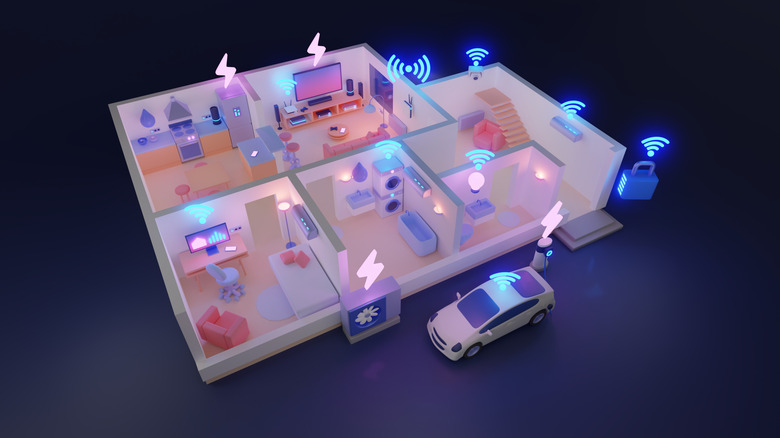

The property sector is undergoing rapid transformation as real estate IoT sensor solutions become more accessible and practical for everyday use. These smart technologies are enabling property managers, landlords, and real estate agents to monitor, automate, and protect their assets with unprecedented efficiency. From reducing maintenance costs to improving tenant satisfaction, IoT-enabled sensors are reshaping how professionals manage residential and commercial spaces.
Understanding the range of available sensor technologies—and how to integrate them into your workflow—can provide a competitive edge. This article explores the most valuable use cases, the types of sensors on the market, and actionable tips for implementation. For those managing rental properties, leveraging smart building sensors rentals can further streamline operations and enhance property value.
How IoT Sensors Are Transforming Property Management
Smart sensor technology is no longer limited to high-end developments. Affordable, wireless devices now allow property professionals to monitor everything from temperature and humidity to motion and air quality. By collecting real-time data, these solutions help prevent costly issues, automate routine tasks, and provide valuable insights for decision-making.
Some of the most impactful benefits include:
- Preventive maintenance: Early detection of leaks, mold, or HVAC issues reduces repair costs and downtime.
- Enhanced security: Motion sensors, door/window contacts, and smart cameras deter unauthorized access and provide instant alerts.
- Energy efficiency: Automated lighting, thermostats, and occupancy sensors help cut utility bills and support sustainability goals.
- Improved tenant experience: Fast response to environmental changes and maintenance needs leads to higher satisfaction and retention.
For a comprehensive overview of how these technologies fit into broader rental automation, the smart rental technology guide offers additional insights.
Key Types of IoT Sensors for Real Estate Applications
Choosing the right mix of sensors depends on property type, location, and management goals. Here are some of the most common sensor categories used in real estate:
- Environmental sensors: Monitor temperature, humidity, CO2, and air quality to maintain healthy indoor environments.
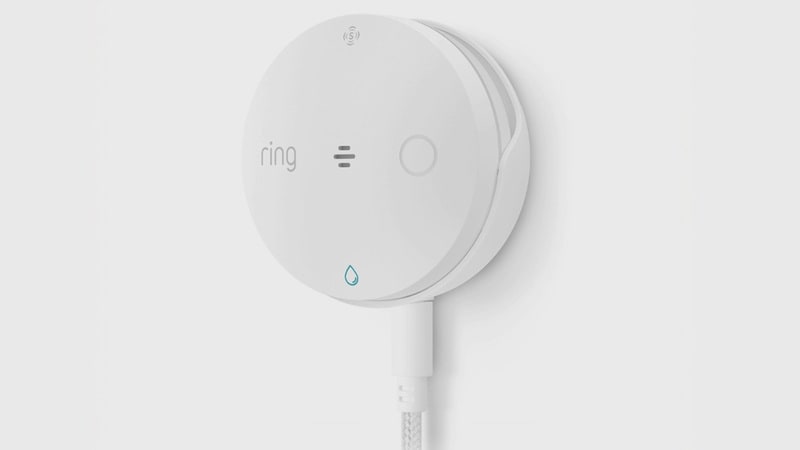
- Water leak detectors: Alert managers to leaks or flooding before significant damage occurs.
- Motion and occupancy sensors: Detect movement for security and automate lighting or HVAC systems based on room usage.
- Smoke and CO detectors: Provide early warnings for fire or gas leaks, often integrating with building management platforms.
- Smart rodent and pest monitors: Identify pest activity, enabling proactive intervention and reducing health risks.
Integrating Smart Sensors with Property Management Systems
To maximize the value of IoT sensor deployments, integration with digital management platforms is essential. Many modern property management systems now support direct connections with sensor networks, enabling automated alerts, maintenance ticket creation, and even predictive analytics.
For example, integrating sensors with a smart property management system allows for seamless data flow and centralized control. This reduces manual oversight, streamlines communication with tenants, and ensures that critical issues are addressed promptly.
Popular Use Cases for IoT Sensors in Real Estate
Adopting IoT sensor solutions for property professionals can unlock a variety of practical applications:
- Short-term rental monitoring: Track occupancy, detect parties or unauthorized guests, and automate check-in/out processes.
- Commercial building optimization: Use occupancy and environmental data to adjust lighting, heating, and cooling for energy savings.
- Preventing water damage: Place leak sensors in basements, bathrooms, and kitchens to catch issues before they escalate.
- Fire and safety compliance: Ensure smoke and CO detectors are always functional and receive instant alerts if triggered.
- Pest management: Deploy smart rodent detectors to monitor for infestations and schedule remediation proactively.
For those in the hospitality sector, IoT in hospitality rentals demonstrates how these technologies can elevate the guest experience and streamline operations.

Choosing and Installing the Right IoT Sensors
When selecting sensors for your properties, consider the following factors:
- Compatibility: Ensure sensors work with your existing management software or smart home platform.
- Connectivity: Choose between Wi-Fi, Zigbee, Z-Wave, or cellular based on property infrastructure and coverage needs.
- Battery life and maintenance: Opt for devices with long battery life and easy maintenance to minimize downtime.
- Data privacy and security: Select reputable brands that prioritize secure data transmission and storage.
- Scalability: Look for solutions that can grow with your portfolio, supporting multiple properties and locations.
Installation is often straightforward, especially with wireless devices. Many property professionals start with a pilot in one unit or building, then scale up based on results. For product reviews and recommendations, the best smart home sensors for Alexa guide offers expert insights into top-performing options.
Staying Ahead with Emerging Trends in Property Technology
The landscape of IoT sensor solutions for real estate continues to evolve. New developments include AI-powered analytics, integration with voice assistants, and predictive maintenance algorithms. Staying informed about rental property automation trends ensures that property professionals can adapt quickly and maintain a competitive advantage.
As more tenants and owners expect smart features, adopting these technologies is becoming a standard rather than a luxury. Early adopters benefit from operational savings, improved tenant relations, and higher property values.
Frequently Asked Questions
What are the main advantages of using IoT sensors in property management?
IoT sensors provide real-time monitoring, automate maintenance alerts, improve energy efficiency, and enhance security. These benefits help reduce costs, prevent property damage, and create a better experience for tenants and owners alike.
Are smart sensors difficult to install in existing buildings?
Most modern sensors are wireless and battery-powered, making them easy to retrofit in older properties. Installation typically involves placing the device in the desired location and connecting it to a central hub or management platform.
How can property professionals ensure data privacy when using IoT devices?
Choose reputable brands that use encrypted data transmission and regularly update device firmware. Limit access to sensitive data and follow best practices for network security to protect tenant and property information.