
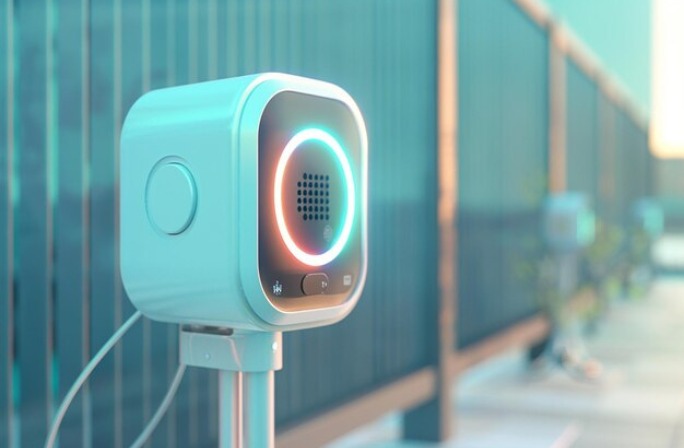

The property rental landscape is evolving rapidly, with technology playing a pivotal role in streamlining operations and enhancing tenant experiences. Smart building sensors rentals are at the forefront of this transformation, offering property managers and landlords a scalable way to monitor, automate, and protect their assets. From environmental monitoring to security and energy efficiency, these devices are reshaping how rental properties are managed, making it possible to oversee multiple units with greater ease and precision.
As the demand for smarter, safer, and more efficient rental environments grows, integrating connected sensors into your property management strategy is no longer optional—it’s becoming the new standard. Whether you’re overseeing a handful of units or an extensive portfolio, leveraging these technologies can help you stay competitive, reduce operational costs, and deliver a superior experience for both tenants and owners.
For those interested in the broader context of automation trends, the article on rental property automation trends provides valuable insights into the latest advancements and how they are setting new benchmarks in the industry.
How Smart Sensors Are Changing Rental Property Management
The adoption of smart building sensors in rental properties is revolutionizing day-to-day management. These devices collect real-time data on everything from temperature and humidity to motion and air quality, allowing property managers to respond proactively to issues and optimize building performance. The result is a more efficient, secure, and comfortable environment for tenants, while owners benefit from reduced maintenance costs and improved asset longevity.
Key advantages include:
- Remote monitoring of multiple units from a single dashboard
- Automated alerts for maintenance or security concerns
- Energy usage optimization and cost savings
- Enhanced tenant safety and satisfaction
By integrating these solutions, property managers can shift from reactive to proactive management, addressing issues before they escalate and ensuring a seamless rental experience.
Types of Smart Building Sensors for Rental Properties
A wide variety of sensors are available to suit different property types and management needs. Here are some of the most impactful options for rental managers:
- Environmental sensors: Monitor temperature, humidity, and air quality to maintain healthy indoor conditions and prevent issues like mold or excessive dryness.
- Motion and occupancy sensors: Detect movement to automate lighting, HVAC, and security systems, reducing energy waste and enhancing safety.
- Leak and flood detectors: Instantly alert managers to water leaks, helping to prevent costly damage and insurance claims.
- Smoke and carbon monoxide alarms: Provide early warnings for fire or gas hazards, ensuring tenant safety and compliance with regulations.
- Rodent and pest sensors: Identify unwanted activity, allowing for swift intervention and maintaining property hygiene.
Choosing the right combination of sensors depends on your property’s unique needs, local regulations, and tenant expectations.

Scalability: Managing Multiple Rentals with Connected Sensors
One of the standout benefits of smart building sensors rentals is the ability to scale operations efficiently. With centralized dashboards and cloud-based management platforms, property managers can oversee dozens or even hundreds of units without being physically present at each location. This is particularly valuable for those managing short-term rentals or geographically dispersed properties.
Features that support scalability include:
- Centralized control and reporting for all sensors across your portfolio
- Automated maintenance scheduling and alerts
- Integration with property management systems and booking platforms
- Customizable access for staff, owners, and tenants
For a deeper dive into how these technologies integrate with broader property management solutions, see the guide on smart property management systems.
Security, Safety, and Compliance in Modern Rentals
Ensuring the safety and security of tenants is a top priority for any rental operator. Smart sensors play a crucial role in early detection of hazards, unauthorized access, and environmental risks. Automated alerts can notify both tenants and managers of issues like smoke, carbon monoxide, or water leaks, enabling rapid response and minimizing potential damage.
In addition to protecting residents, these systems help property owners stay compliant with local safety regulations and insurance requirements. Many insurance providers offer discounts for properties equipped with certified smart alarms and monitoring devices.
To learn more about the impact of connected monitoring on guest safety and operational costs, check out the article on airbnb smart monitoring benefits.
Energy Efficiency and Cost Savings with Sensor Technology
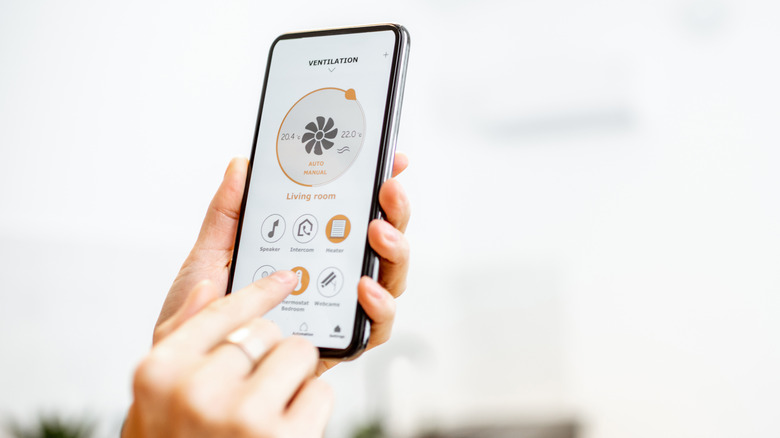
Energy management is a significant concern for rental operators, especially those covering utility costs or aiming to offer eco-friendly accommodations. Smart building sensors enable real-time monitoring and automation of HVAC, lighting, and appliances, ensuring that energy is used only when needed. This not only reduces utility bills but also supports sustainability goals and appeals to environmentally conscious tenants.
Some practical energy-saving applications include:
- Automated thermostat adjustments based on occupancy
- Lighting controls that respond to natural light and movement
- Remote shutdown of appliances in vacant units
- Detailed energy usage reports for informed decision-making
For more on how the Internet of Things is improving guest experiences and operational efficiency, the article on iot in hospitality rentals is a helpful resource.
Choosing and Implementing the Right Sensor Solutions
Selecting the best sensor setup for your rental properties involves evaluating your specific needs, property types, and budget. Consider factors such as:
- Property size and layout
- Tenant demographics and expectations
- Integration with existing management systems
- Compliance with local regulations
- Scalability for future expansion
Implementation should be planned to minimize disruption to tenants and ensure proper training for staff. Many providers offer plug-and-play solutions that can be installed with minimal technical expertise. For a comprehensive overview of available technologies, refer to the smart rental technology guide.
If you’re interested in a technical perspective on how these systems work, this article on building automation with sensors offers a detailed look at integration and performance.
FAQ: Smart Sensors in Rental Management
What are the main benefits of using smart sensors in rental properties?
Smart sensors provide real-time monitoring, automated alerts, and remote control of property systems. This leads to improved tenant safety, lower maintenance costs, better energy efficiency, and easier management of multiple units.
Are smart building sensors difficult to install in existing rentals?
Most modern sensors are designed for easy installation, often requiring minimal wiring or setup. Wireless and battery-powered options are available for retrofitting older buildings without major renovations.
How do smart sensors help with regulatory compliance?
By providing continuous monitoring and automated alerts for hazards like smoke, carbon monoxide, and water leaks, smart sensors help property owners meet safety regulations and maintain necessary records for inspections and insurance.
Incorporating smart building sensors rentals into your property management strategy is a practical step toward future-proofing your business. By leveraging these technologies, you can enhance efficiency, safety, and tenant satisfaction—while scaling your operations with confidence.