
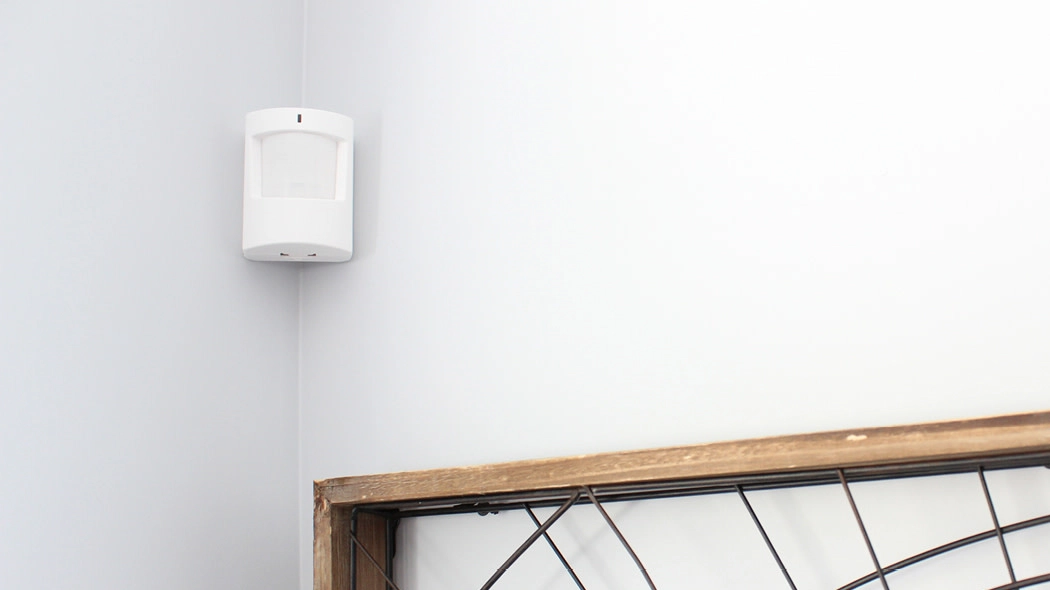

Property managers and short-term rental hosts are increasingly turning to smart sensors rental management tips to streamline operations, protect assets, and deliver a seamless guest experience. By leveraging modern sensor technology, hosts can proactively address issues before they escalate, automate routine tasks, and ensure guest safety—all while maintaining control from anywhere. This guide explores practical strategies for integrating smart sensors into your rental management routine, helping you stay ahead in a competitive market.
Adopting the right technology can set your property apart. From motion detectors to environmental monitors, smart sensors offer actionable insights and automation that benefit both hosts and guests. If you’re interested in broader trends, the smart home trends vacation rentals are shaping guest expectations and influencing which devices are worth the investment.
Why Smart Sensors Are Essential for Modern Rental Management
Integrating smart sensors into your property management toolkit is more than just a tech upgrade—it’s a proactive approach to hosting. These devices monitor everything from motion and occupancy to temperature, humidity, and air quality. By providing real-time alerts and automating responses, smart sensors help hosts:
- Prevent property damage by detecting leaks, smoke, or unauthorized access early.
- Enhance guest safety with instant notifications for smoke, carbon monoxide, or unusual activity.
- Optimize energy use by adjusting lighting and climate controls based on occupancy.
- Streamline operations with automated check-ins, check-outs, and maintenance scheduling.
For hosts managing multiple properties or remote locations, these benefits translate to less stress, fewer emergencies, and more satisfied guests. If you’re new to automation, the smart rental automation guide offers a step-by-step approach to getting started.
Choosing the Right Sensors for Your Rental Property
Not all smart sensors are created equal. Selecting the right mix depends on your property type, guest profile, and management goals. Here are some of the most effective sensor categories for proactive rental management:
- Motion and occupancy sensors: Detect movement to automate lighting, security, and HVAC systems.
- Door and window sensors: Monitor entry points for unauthorized access or to confirm guest check-in/out.
- Environmental sensors: Track temperature, humidity, and air quality to maintain comfort and prevent mold.
- Leak and flood detectors: Alert you to water leaks before they cause significant damage.
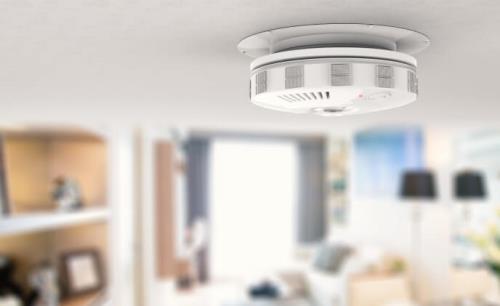
- Smoke and CO detectors: Provide critical safety alerts and can be integrated with smart alarms.
- Noise monitoring sensors: Help enforce house rules and prevent disturbances without invading privacy.
For a comprehensive overview of installation best practices, see the rental property smart system installation resource.
Best Practices for Installing and Managing Smart Sensors
Proper installation and management are crucial for getting the most out of your sensor investment. Here are some actionable smart sensors rental management tips to ensure your setup is effective and reliable:
- Strategic placement: Install sensors in high-risk or high-traffic areas, such as kitchens, bathrooms, entryways, and basements.
- Regular maintenance: Test devices monthly, replace batteries as needed, and keep firmware updated for optimal performance.
- Integrate with your property management system: Connect sensors to your PMS or automation hub for centralized control and reporting.
- Respect guest privacy: Use sensors that monitor environmental factors or occupancy, not cameras in private spaces.
- Communicate with guests: Clearly explain the presence and purpose of sensors in your house rules and welcome materials.
For a deeper dive into sensor setup and integration, the iot setup for vacation rentals guide provides a step-by-step walkthrough.
Automating Responses for Proactive Hosting
The real power of smart sensors lies in automation. By connecting your devices to a central hub or cloud platform, you can trigger actions based on sensor data. Here are some examples of automation that enhance both property protection and guest experience:
- Leak detection: Automatically shut off water supply if a leak is detected.
- Smoke alert: Notify emergency contacts and guests instantly if smoke or CO is detected.
- Occupancy-based lighting: Turn off lights and adjust climate controls when guests leave the property.
- Noise monitoring: Send a polite message to guests if noise exceeds a preset threshold.
These automations not only reduce manual intervention but also demonstrate a commitment to guest comfort and safety. For more on integrating sensors with automation, see the airbnb smart home guide.
Data Insights and Remote Monitoring for Smarter Decisions
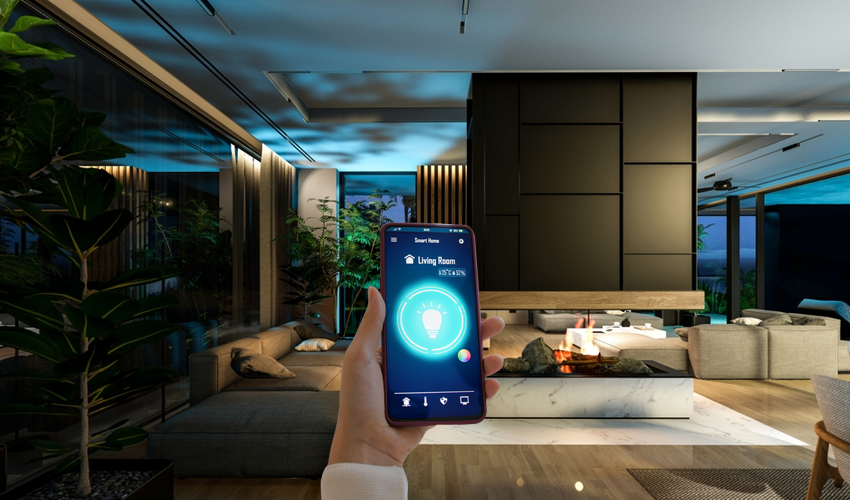
One of the most valuable aspects of smart sensors is the data they generate. By analyzing trends in occupancy, temperature, humidity, and guest behavior, hosts can make informed decisions that improve efficiency and profitability. Remote monitoring allows you to:
- Identify maintenance needs before they become urgent or costly.
- Track guest patterns to optimize cleaning schedules and reduce energy waste.
- Receive instant alerts for critical events, enabling quick action even when you’re offsite.
For more on how data-driven management is transforming the industry, explore this in-depth article on smart property automation.
Balancing Technology and Guest Experience
While automation and monitoring are essential, it’s important to balance technology with hospitality. Guests appreciate convenience and safety but may have concerns about privacy or intrusive monitoring. To maintain trust:
- Be transparent about the types and locations of sensors in your listing description and house manual.
- Choose devices that respect privacy, such as environmental sensors instead of cameras in living spaces.
- Use automation to enhance comfort—like climate control or lighting—rather than to police guests.
By focusing on guest-centric solutions, you can use smart technology to create a welcoming, secure, and memorable stay.
Frequently Asked Questions
What types of smart sensors are most useful for short-term rentals?
Motion detectors, door/window sensors, leak detectors, smoke and CO alarms, and noise monitors are among the most effective for protecting property and enhancing guest safety. Environmental sensors for temperature and humidity are also valuable for comfort and maintenance.
How can I ensure my smart sensors respect guest privacy?
Install sensors only in common or utility areas, never in bedrooms or bathrooms. Clearly inform guests about the devices and their purpose in your listing and house rules. Avoid using cameras or audio recording devices in private spaces.
Can smart sensors help reduce operating costs?
Yes, by automating lighting, climate control, and maintenance alerts, smart sensors can lower utility bills and prevent costly damage. They also streamline operations, saving time and reducing manual labor for hosts and property managers.