

Short-term rental hosts are increasingly turning to smart sensors to protect their properties, enhance guest experiences, and reduce operating costs. These devices offer a modern way to monitor rentals, automate safety, and optimize energy use. Understanding the benefits of smart sensors for Airbnb hosts can help you make informed decisions about upgrading your rental property.
Integrating smart technology into your Airbnb not only improves security but also delivers significant savings over time. From motion detectors to leak sensors, these tools can help prevent costly incidents and ensure guests feel safe and comfortable. If you’re interested in a deeper dive into setup and management, the smart rental automation guide provides step-by-step advice for hosts.

How Smart Sensors Improve Airbnb Security
One of the most valuable advantages of smart sensors is enhanced property protection. Devices such as door and window sensors, motion detectors, and smoke alarms provide real-time alerts, helping hosts respond quickly to potential threats. This proactive approach can deter break-ins, reduce the risk of fire, and ensure guests’ safety.
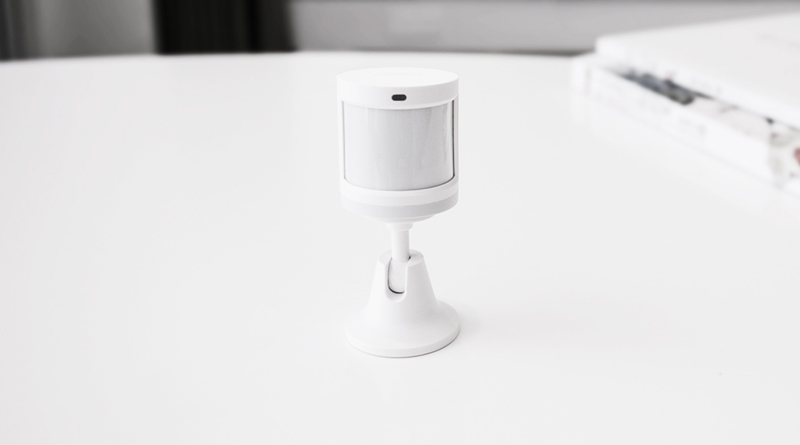
For example, motion sensors can detect unusual activity when your property should be vacant, while entry sensors notify you if doors or windows are opened unexpectedly. These features not only protect your investment but also give guests peace of mind during their stay.
Many hosts choose to install smart home systems for Airbnb to streamline monitoring and automate responses to security events. By leveraging these tools, you can minimize manual checks and focus on providing a seamless guest experience.
Cost Savings and Efficiency Gains for Hosts
Smart sensors are not just about safety—they also help hosts save money and operate more efficiently. Temperature and humidity sensors, for instance, can be integrated with smart thermostats to optimize heating and cooling. This ensures that energy is only used when needed, reducing utility bills without sacrificing guest comfort.
Water leak detectors are another essential tool. By catching leaks early, these sensors can prevent costly water damage and avoid expensive repairs. Similarly, smart smoke and carbon monoxide detectors offer early warnings, potentially saving thousands in property damage and insurance claims.
Automating these systems means you can remotely monitor your property and receive instant notifications if something goes wrong. This reduces the need for frequent property visits and allows for faster intervention, helping you maintain a high standard of care with less effort.
Guest Experience and Convenience
Modern travelers expect convenience and safety when booking short-term rentals. Smart sensors contribute to a smooth guest experience by automating check-ins, climate control, and lighting. For example, occupancy sensors can adjust the temperature when guests arrive or leave, ensuring comfort while minimizing energy waste.
Noise monitoring devices are also popular among hosts. These sensors help maintain good neighbor relations by alerting you to excessive noise, allowing you to address issues before they escalate. This proactive approach can prevent complaints and protect your reputation as a responsible host.
Integrating these technologies demonstrates your commitment to guest safety and comfort, which can lead to better reviews and increased bookings. If you’re looking for practical advice on maximizing efficiency, consider reading about how to use smart sensors in rentals for actionable tips.
Types of Smart Sensors for Airbnb Hosts
There is a wide range of smart sensors available, each offering unique advantages for short-term rental properties. Some of the most popular options include:
- Motion Sensors: Detect movement in and around the property, alerting you to unauthorized access or unusual activity.
- Door and Window Sensors: Notify you when entry points are opened or closed, helping you monitor access remotely.
- Smoke and Carbon Monoxide Detectors: Provide early warnings in case of fire or gas leaks, improving guest safety.
- Water Leak Sensors: Identify leaks before they cause significant damage, saving on repair costs.
- Noise Monitoring Devices: Help enforce house rules and prevent disturbances.
- Temperature and Humidity Sensors: Optimize climate control for comfort and energy savings.
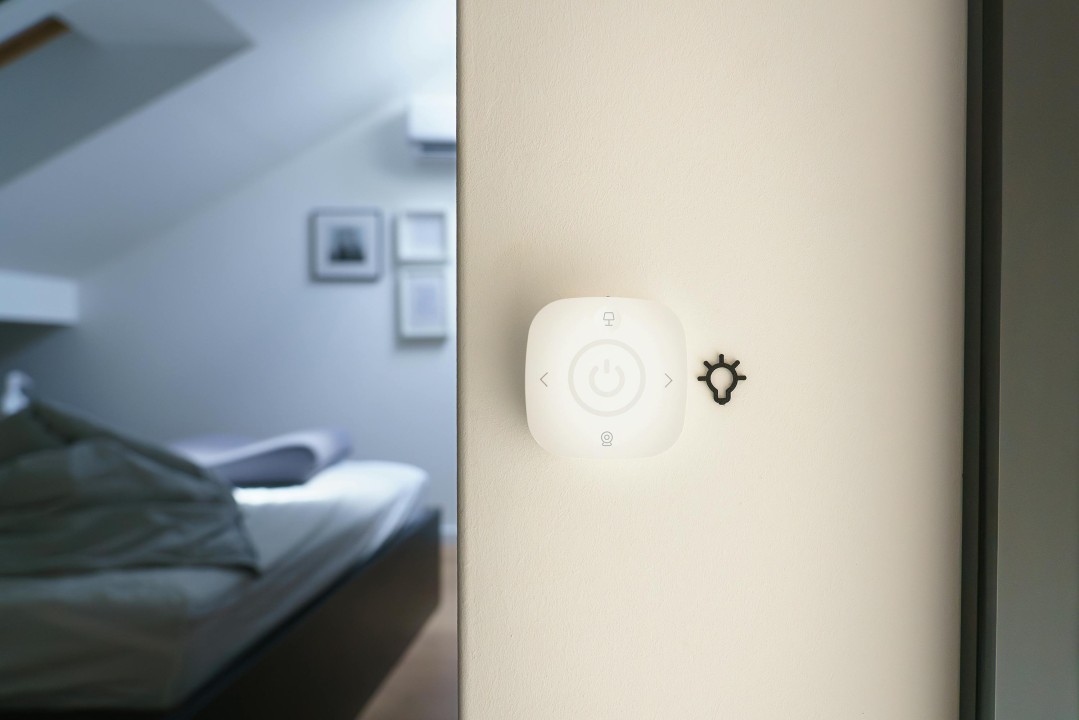
When selecting devices, look for options that integrate with your existing smart home system. Many modern sensors are compatible with platforms like Alexa, Google Home, and Apple HomeKit, allowing for seamless automation and control.
Choosing and Installing the Right Devices
Before investing in new technology, assess your property’s unique needs. Consider the size of your rental, typical guest behavior, and any specific risks such as water leaks or unauthorized parties. Start with essential devices like smoke detectors and entry sensors, then expand to include noise monitoring and environmental sensors as needed.
Installation is often straightforward, with many devices offering wireless connectivity and app-based setup. For hosts seeking a more comprehensive solution, professional installation services are available. For guidance on setup and integration, check out the IoT setup for vacation rentals article for step-by-step instructions.
It’s also important to inform guests about the presence and purpose of smart sensors. Transparency builds trust and ensures compliance with Airbnb’s policies regarding surveillance and privacy.
Integrating Smart Sensors with Other Technologies
Smart sensors work best when combined with other automation tools. For example, integrating sensors with smart locks allows for automated check-ins and check-outs, while pairing with smart lighting can enhance security and energy efficiency. Many hosts use centralized dashboards or mobile apps to monitor all devices in real time.
For those interested in exploring a wider range of products, browse the latest smart home sensor options to find devices that fit your property and budget.
Combining these technologies can help you automate routine tasks, respond quickly to incidents, and deliver a consistently high-quality guest experience.
Maximizing Value from Your Investment
To get the most out of your smart sensors, regularly review device performance and update settings as needed. Many sensors allow you to customize alert thresholds, notification preferences, and integration with other smart devices. Periodic maintenance, such as battery replacement and software updates, ensures reliability and longevity.
For expert tips on installation and ongoing management, visit the rental property smart system installation guide. Staying proactive with your technology investments will help you maintain a competitive edge in the short-term rental market.
FAQ
Are smart sensors allowed in Airbnb rentals?
Yes, smart sensors are permitted in Airbnb properties, provided they comply with Airbnb’s rules. Hosts must disclose the presence of any monitoring devices, especially those in common areas, and never use cameras or audio recorders in private spaces like bedrooms or bathrooms.
Do smart sensors require a monthly subscription?
Many basic sensors operate without ongoing fees, but some advanced features—like cloud storage or professional monitoring—may require a subscription. Always check the manufacturer’s details before purchasing.
How do smart sensors help reduce operating costs?
By automating climate control, detecting leaks early, and preventing unauthorized access, smart sensors help avoid costly repairs and reduce utility bills. This leads to long-term savings and a more efficient rental operation.