
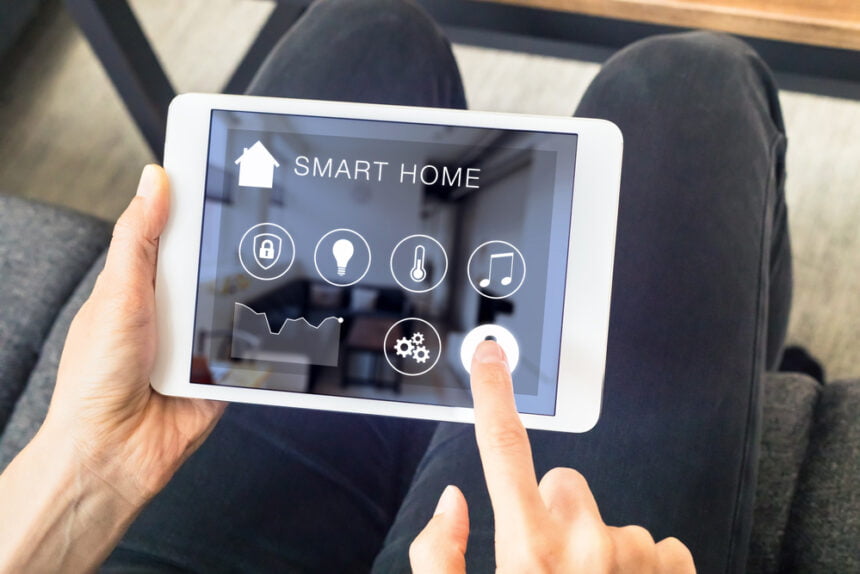

Integrating smart technology into a short-term rental can transform the guest experience and provide peace of mind for hosts. With the right sensors and automation, property owners can boost security, streamline operations, and ensure guests feel comfortable and safe. This airbnb smart home guide explores the most effective sensor solutions for hosts who want to modernize their rentals while maintaining privacy and compliance.
Whether you’re just starting to explore smart upgrades or looking to optimize your current setup, understanding which devices add the most value is essential. For a deeper dive into practical applications, check out how to use smart sensors in rentals for maximum efficiency. Let’s look at the top sensor categories and how they can make your property safer and easier to manage.
Why Smart Sensors Matter for Short-Term Rentals
Smart sensors are more than just a tech trend—they’re a practical investment for anyone managing a vacation rental. These devices help automate routine tasks, detect potential hazards, and provide real-time updates, all while respecting guest privacy. By choosing the right mix of sensors, hosts can:
- Enhance guest safety with instant alerts for smoke, carbon monoxide, or water leaks.
- Reduce operational headaches by automating check-ins, check-outs, and maintenance reminders.
- Protect property from unauthorized access or environmental damage.
- Improve guest reviews by offering a seamless, modern stay.
For hosts interested in a broader overview of connected devices, the airbnb smart tech essentials resource outlines must-have gadgets for every property.
Essential Sensor Types for Airbnb Hosts
Not all smart devices are created equal. Focusing on the most impactful sensor categories ensures you get the best return on your investment. Here are the top sensor types to consider for your rental:
1. Entry and Motion Sensors
Entry sensors monitor doors and windows, alerting you to unauthorized access or when guests check in and out. Motion sensors can automate lighting, help detect unexpected movement, and save energy by turning off devices when no one is present.
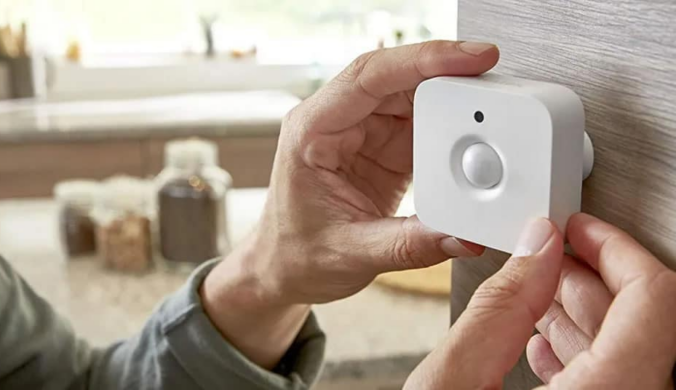
For hosts managing multiple properties or larger homes, pairing entry sensors with a smart hub can centralize notifications and automate responses to specific triggers.
2. Smoke, Carbon Monoxide, and Environmental Sensors
Safety is a top priority for both hosts and guests. Smart smoke and carbon monoxide detectors provide instant alerts to your phone and can even notify emergency services if needed. Environmental sensors go further by detecting water leaks, humidity, and temperature fluctuations, helping you prevent costly damage and maintain a comfortable environment.
To learn more about integrating these devices, the rental property smart upgrades guide offers detailed recommendations for sensor placement and maintenance.
3. Noise and Occupancy Sensors
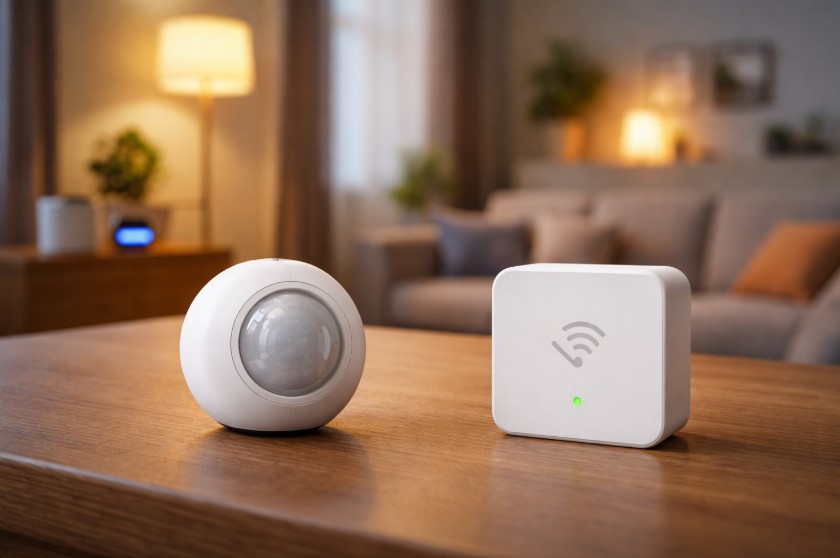
Noise sensors are designed to monitor decibel levels without recording audio, ensuring guest privacy while helping you enforce house rules. These devices can alert you if sound levels exceed a set threshold, allowing you to address potential disturbances before they escalate. Occupancy sensors, meanwhile, help automate heating, cooling, and lighting based on whether the property is in use, saving energy and reducing wear on appliances.
Smart Sensor Setup and Best Practices
Getting the most out of your smart home devices requires thoughtful installation and clear communication with guests. Here are some best practices for hosts:
- Choose reputable brands with reliable support and regular software updates.
- Install sensors in strategic locations—for example, place smoke detectors in kitchens and hallways, and entry sensors on all exterior doors.
- Be transparent with guests about which sensors are installed and their purpose. Avoid placing cameras or audio recording devices inside the property, as this can violate privacy and platform policies.
- Test devices regularly and replace batteries as needed to ensure continuous protection.
For a step-by-step approach to automating your rental, see the iot setup for vacation rentals guide.
Privacy, Compliance, and Guest Communication
Respecting guest privacy is crucial when implementing smart technology. Always disclose the presence and purpose of any monitoring devices in your listing and welcome materials. Avoid installing cameras or microphones in private areas, and ensure all devices comply with local laws and Airbnb’s policies.
Clear communication builds trust and can lead to better reviews. Let guests know how sensors enhance their safety and comfort, and provide instructions for using any smart features during their stay.
Expanding Your Smart Home System
Once you’ve covered the essentials, consider expanding your setup with additional devices such as smart locks, thermostats, and lighting controls. These upgrades can further automate operations and delight guests with personalized experiences. For more ideas, the vacation rental smart upgrades article highlights ways to enhance guest satisfaction through technology.
If you want to understand the broader role of sensors in home automation, this guide to smart sensors and their role in home automation offers a comprehensive overview.
FAQ: Smart Sensors in Airbnb Rentals
What are the most important smart sensors for short-term rentals?
The most valuable devices include smoke and carbon monoxide detectors, entry and motion sensors, water leak sensors, and noise monitors. These provide essential safety, security, and operational benefits for both hosts and guests.
Are noise sensors allowed in Airbnb properties?
Yes, noise sensors that only measure decibel levels (without recording audio) are generally permitted. Always disclose their presence in your listing and ensure they comply with local regulations and platform rules.
How can I maintain guest privacy while using smart sensors?
Install only non-intrusive sensors, such as those for smoke, entry, or noise monitoring (without audio recording). Never place cameras or microphones inside the property, and clearly communicate the purpose and location of all devices to guests.
Do smart sensors require Wi-Fi to work?
Most smart sensors rely on Wi-Fi or another wireless protocol to send alerts and updates. Some safety sensors, like smoke detectors, may have backup alarms that work even if the internet is down, but remote notifications typically require connectivity.
Conclusion
Upgrading your rental with smart sensors is a practical way to improve safety, streamline management, and offer a modern guest experience. By focusing on essential devices and following best practices for installation and communication, hosts can enjoy greater peace of mind and more positive reviews. Start with the basics, expand as needed, and always prioritize transparency and compliance for a successful smart rental operation.