

Integrating smart technology into rental properties is no longer just a trend—it’s a strategic move for property owners and managers looking to boost security, efficiency, and tenant satisfaction. With the right approach, installing intelligent systems can streamline operations, reduce costs, and enhance the overall value of your investment. This guide shares practical insights and expert advice for a smooth and effective rental property smart system installation, ensuring you make informed decisions every step of the way.
Whether you’re upgrading a single unit or managing a portfolio, understanding the essentials of smart device integration is crucial. From choosing compatible devices to optimizing for energy savings and guest convenience, each decision impacts both your property’s appeal and your bottom line. For a deeper dive into maximizing efficiency, consider reading how to use smart sensors in rentals for actionable strategies tailored to rental environments.
Why Invest in Smart Systems for Rentals?
Modern tenants expect convenience, safety, and energy efficiency. Smart home technology delivers on these expectations by offering features such as remote access, real-time alerts, and automation. For landlords, these upgrades can lead to higher rental values, reduced maintenance costs, and improved tenant retention.
- Security: Smart locks, cameras, and sensors provide peace of mind for both tenants and property owners.
- Energy Management: Automated thermostats and lighting systems help control utility expenses.
- Attractiveness: Properties equipped with intelligent systems stand out in competitive markets.
By prioritizing these upgrades, you position your property as a forward-thinking, desirable option for renters.
Planning Your Smart System Upgrade
Before diving into device selection, it’s important to assess your property’s unique needs and infrastructure. Start by identifying which areas will benefit most from automation—security, climate control, lighting, or leak detection. Consider the following steps for a successful smart system installation in rental properties:
- Evaluate Existing Infrastructure: Check Wi-Fi coverage, power outlets, and compatibility with smart devices.
- Set Clear Objectives: Define what you want to achieve—reduced energy use, better security, or improved guest experience.
- Research Device Ecosystems: Choose products that integrate well with each other and can be managed remotely.
- Budget for Upgrades: Factor in both upfront costs and potential long-term savings.
For a comprehensive overview of the best IoT sensors and upgrades, visit the rental property smart upgrades guide.
Key Devices for a Seamless Installation
Choosing the right smart devices is essential for a smooth installation and ongoing management. Here are some top picks for rental properties:
- Smart Locks: Enable keyless entry and remote access control, reducing the risk of lost keys and unauthorized entry.
- Environmental Sensors: Detect smoke, carbon monoxide, leaks, and temperature fluctuations to prevent costly damage.
- Smart Thermostats: Allow tenants or managers to adjust climate settings remotely, optimizing comfort and energy use.
- Security Cameras: Monitor common areas and entry points for increased safety and peace of mind.
For more on integrating these devices, the IoT setup for vacation rentals guide offers a step-by-step approach tailored to rental environments.
Installation Best Practices for Landlords
Proper installation is key to maximizing the benefits of smart systems. Here are some expert recommendations:
- Centralize Control: Use a single platform or hub to manage all devices, simplifying maintenance and troubleshooting.
- Document Everything: Keep records of device models, installation dates, and access credentials for easy reference.
- Test Thoroughly: After installation, check each device for proper function and connectivity.
- Educate Tenants: Provide clear instructions or guides so tenants can use the technology confidently.
- Plan for Turnover: Reset devices between tenants to protect privacy and security.
For more tips on enhancing the guest experience with technology, see vacation rental smart upgrades.
Smart Sensors: The Backbone of Modern Rentals
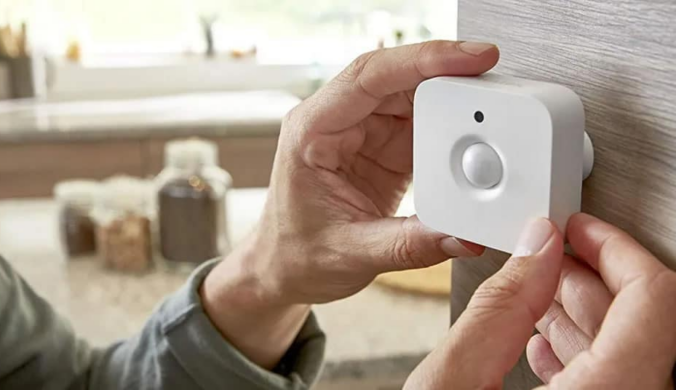
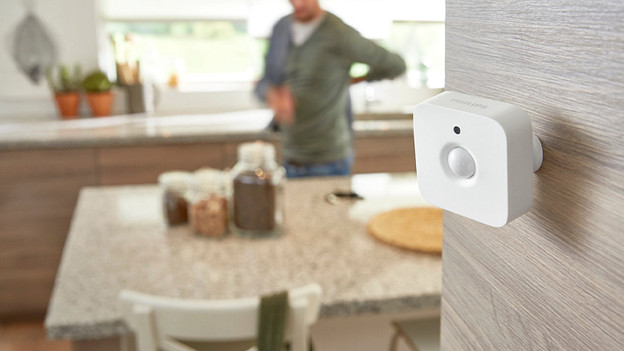
Smart sensors play a pivotal role in rental property automation. They monitor environmental conditions, detect unusual activity, and trigger alerts or automated actions. Rental property smart system installation should always include a thoughtful selection of sensors for:
- Motion Detection: Automate lighting or security alerts based on occupancy.
- Leak Detection: Prevent water damage by catching leaks early.
- Smoke and CO Monitoring: Ensure tenant safety and meet regulatory requirements.
For a deeper understanding of how these technologies work, IBM offers an excellent resource on smart home sensors and their applications.

Common Challenges and How to Overcome Them
While the benefits are clear, implementing smart technology in rental properties can present challenges. Here are some common issues and solutions:
- Connectivity Issues: Ensure robust Wi-Fi coverage throughout the property. Mesh networks can help eliminate dead zones.
- Device Compatibility: Stick to devices that support open standards or are part of the same ecosystem to minimize integration headaches.
- Tenant Privacy: Clearly communicate what data is collected and how it is used. Avoid installing cameras in private spaces.
- Maintenance: Schedule regular checks and updates to keep systems running smoothly.
For hosts using platforms like Airbnb, the Airbnb smart tech essentials guide covers must-have devices and privacy considerations.
Maximizing ROI with Smart Upgrades
Investing in smart technology can yield significant returns. Not only do these upgrades attract quality tenants, but they also reduce operational costs and risk. To maximize your return on investment:
- Prioritize High-Impact Devices: Start with smart locks, thermostats, and sensors that offer immediate benefits.
- Monitor Usage: Use analytics from your smart system to identify patterns and optimize settings.
- Market Your Upgrades: Highlight smart features in your listings to stand out to tech-savvy renters.
For more strategies on leveraging technology for rental success, explore the vacation rental smart upgrades article.
FAQ
What are the most important smart devices for rental properties?
The most impactful devices include smart locks for secure, keyless entry; environmental sensors for smoke, CO, and leaks; and smart thermostats for energy management. Security cameras and automated lighting are also popular choices for enhancing safety and convenience.
How can landlords ensure tenant privacy with smart systems?
Landlords should be transparent about the types of devices installed and their locations. Avoid placing cameras or microphones in private areas, and provide tenants with clear information on data collection and device reset procedures between occupancies.
Do smart upgrades increase rental income?
Yes, properties with smart technology often command higher rents and attract quality tenants. Upgrades like automated climate control and enhanced security can also reduce maintenance costs and improve tenant retention, boosting overall profitability.