

Integrating smart sensors into rental properties is rapidly becoming a best practice for property owners and managers aiming to boost operational efficiency, enhance safety, and provide a better experience for tenants or guests. With the right approach, these devices can help automate maintenance, monitor occupancy, and protect your investment—all while reducing manual effort and operational costs.
This guide explores the practical steps and considerations for deploying these technologies in rental settings. Whether you manage long-term rentals or short-term vacation properties, understanding how to use smart sensors in rentals can help you stay competitive and compliant, while also improving profitability.
For a deeper dive into essential devices, the must have sensors for rentals resource offers a comprehensive overview of the top sensor types and their benefits for property owners.
Benefits of Implementing Smart Sensors in Rental Properties
Deploying intelligent monitoring devices in rental units brings a range of advantages. Some of the most notable include:
- Enhanced security: Motion, door, and window sensors can alert owners to unauthorized access or suspicious activity.
- Energy efficiency: Devices like thermostats and occupancy sensors help reduce energy waste by adjusting heating, cooling, and lighting based on real-time usage.
- Maintenance alerts: Leak detectors and smoke alarms can notify you of issues before they escalate, minimizing costly repairs.
- Improved guest experience: For short-term rentals, automation and safety features can set your property apart and earn better reviews.
By leveraging these technologies, landlords and hosts can create safer, more efficient, and more attractive rental environments.
Types of Smart Sensors Ideal for Rental Units
Choosing the right mix of devices is crucial for maximizing the impact of your investment. Here are some of the most effective options for rental settings:
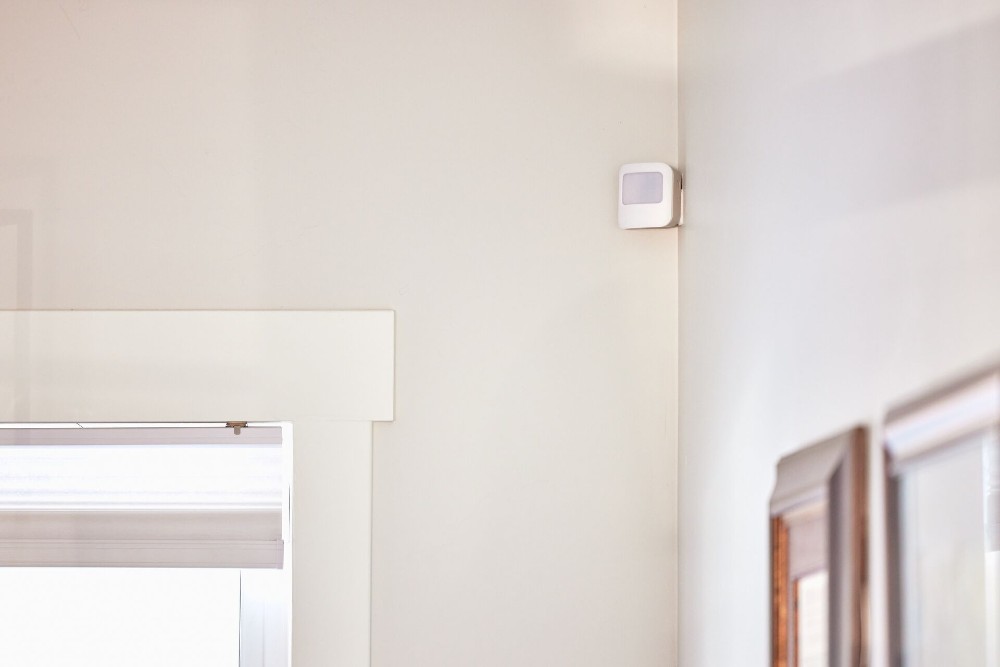
- Motion sensors: Detect movement and can trigger alarms, lights, or notifications.
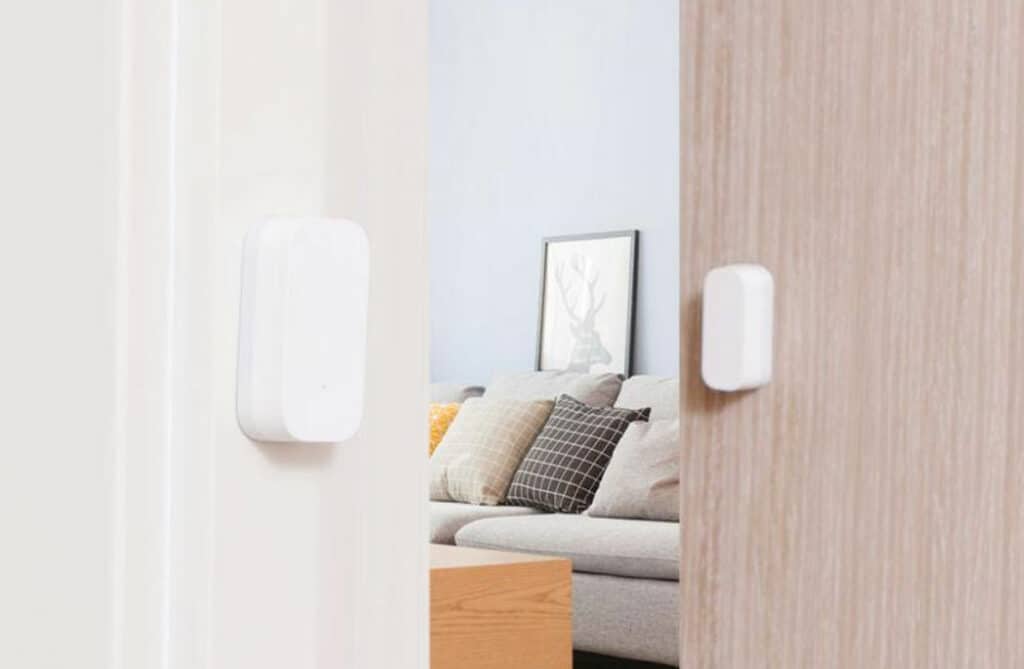
- Door and window sensors: Monitor entry points for unauthorized access or left-open alerts.
- Smoke and carbon monoxide detectors: Provide critical safety alerts and can be connected to your phone for remote monitoring.
- Water leak sensors: Identify leaks early to prevent water damage and mold growth.
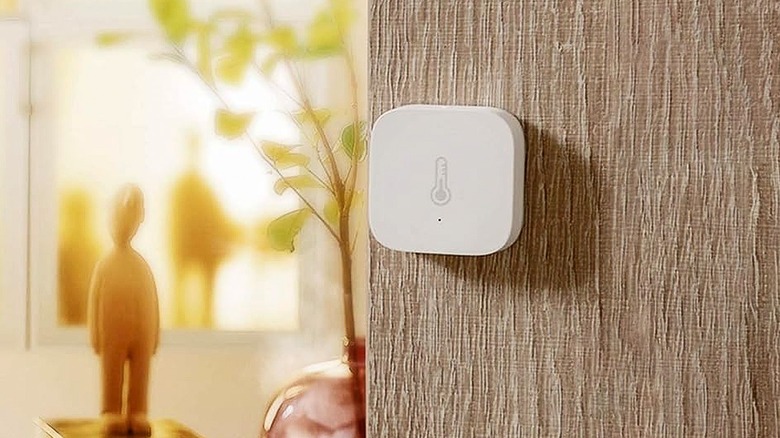
- Temperature and humidity sensors: Help maintain optimal indoor conditions and prevent issues like frozen pipes or excessive humidity.
- Rodent and pest detectors: Offer early warnings of infestations, allowing for prompt intervention.
For a broader look at devices that can enhance guest satisfaction, see the vacation rental smart upgrades guide.
Best Practices for Installing and Managing Smart Sensors
To get the most out of your investment, consider these practical tips when deploying monitoring devices in your rental properties:
- Strategic placement: Install sensors in high-traffic areas, entry points, kitchens, bathrooms, and utility spaces for maximum coverage.
- Choose wireless devices: Wireless options are easier to install and remove, making them ideal for rental units where you may need to move or upgrade devices between tenants.
- Centralized management: Use a smart home hub or property management platform to monitor all devices from a single dashboard, simplifying oversight and maintenance.
- Regular maintenance: Test devices periodically, replace batteries as needed, and ensure firmware is up to date to maintain reliability.
- Transparency with tenants: Clearly communicate what devices are installed, their purpose, and how data is used to maintain trust and comply with privacy regulations.
For more on integrating IoT solutions, the rental property smart upgrades guide provides step-by-step advice for landlords and hosts.
Boosting Efficiency and Security with Automation
One of the key advantages of modern monitoring devices is their ability to automate routine tasks and security protocols. Here’s how automation can streamline rental management:
- Automated alerts: Receive instant notifications for unusual activity, leaks, or smoke, allowing for rapid response.
- Energy savings: Sensors can trigger lights or HVAC systems to turn off when units are unoccupied, reducing utility costs.
- Remote monitoring: Check property status from anywhere, reducing the need for in-person inspections.
- Integration with other smart devices: Connect sensors to locks, cameras, or thermostats for seamless automation and enhanced control.
For hosts on platforms like Airbnb, combining sensors with other smart tech can further improve operations. The airbnb smart tech essentials article highlights must-have devices for modern hosts.
Choosing the Right Devices for Your Property
Not all monitoring solutions are created equal. When selecting products, consider:
- Compatibility: Ensure devices work with your existing smart home ecosystem or property management software.
- Ease of installation: Look for products that are simple to set up and remove, especially important for short-term rentals.
- Reliability: Choose reputable brands with strong reviews and proven performance.
- Data privacy: Opt for devices that offer robust security features and transparent data handling policies.
For a curated list of top-rated options, the best smart devices for Airbnb hosts roundup is a valuable resource.
Compliance, Privacy, and Tenant Communication
When deploying monitoring technology in rental units, it’s essential to prioritize tenant privacy and comply with local regulations. Here are some best practices:
- Disclose all devices: Inform tenants or guests about the presence and purpose of each sensor.
- Respect private spaces: Avoid installing cameras or microphones in areas where privacy is expected, such as bedrooms and bathrooms.
- Follow legal guidelines: Stay updated on local laws regarding surveillance, data collection, and tenant notification.
- Provide opt-out options: Where possible, allow tenants to disable or remove non-essential devices.
Transparency builds trust and helps avoid disputes, ensuring a positive experience for both property owners and renters.
Expanding Your Smart Sensor Strategy
As technology evolves, new types of sensors are emerging that can further enhance rental property management. For example, air quality monitors, noise sensors, and occupancy counters are gaining popularity for their ability to provide actionable insights and automate compliance with local ordinances.
For a comprehensive overview of essential devices, the list of nine must-have smart home sensors covers the latest innovations and practical applications for rental settings.
Frequently Asked Questions
What are the most important smart sensors for rental properties?
The most valuable devices typically include motion detectors, door and window sensors, smoke and carbon monoxide alarms, leak detectors, and temperature/humidity monitors. These cover the essentials for security, safety, and maintenance.
How can landlords ensure tenant privacy when using smart sensors?
Landlords should always disclose the presence and function of all devices, avoid installing cameras or microphones in private areas, and comply with all relevant privacy laws. Transparency and clear communication are key to maintaining trust.
Are smart sensors worth the investment for short-term rentals?
Yes, these technologies can help prevent costly damage, automate guest check-ins and check-outs, and improve guest satisfaction. They also provide peace of mind for hosts by enabling remote monitoring and rapid response to issues.
Can smart sensors help reduce utility costs in rentals?
Absolutely. Devices such as occupancy sensors and smart thermostats can automatically adjust lighting and climate control based on usage, significantly lowering energy bills over time.
Adopting a strategic approach to how to use smart sensors in rentals can transform property management, offering both immediate and long-term benefits for owners, managers, and tenants alike.