

Staying competitive as an Airbnb host requires more than just a well-furnished property and friendly communication. Today’s short-term rental landscape is shaped by technology, and airbnb data monitoring tools are at the heart of smarter, safer, and more profitable hosting. These solutions help hosts track occupancy, detect issues, and optimize guest experiences—all while maintaining compliance and security.
In this article, we’ll explore how integrating monitoring technology can transform your approach to property management. You’ll discover the benefits of real-time data, the types of sensors and dashboards available, and practical tips for choosing the right setup for your rental. For hosts interested in deeper analytics, smart occupancy analytics rentals offer a way to understand guest behavior and maximize returns.

Why Monitoring Technology Matters for Airbnb Hosts
Modern hosts face a range of challenges, from ensuring guest safety to preventing unauthorized parties or property damage. Data monitoring solutions provide a proactive way to address these concerns. By using sensors and smart devices, hosts can:
- Track occupancy and detect unexpected guests or gatherings
- Monitor environmental factors like smoke, humidity, or temperature
- Receive instant alerts for unusual activity or maintenance needs
- Gather insights to improve guest experience and streamline operations
With the right setup, you can automate many aspects of property management, reducing manual checks and minimizing risks. This not only protects your investment but also helps you comply with local regulations and Airbnb’s own safety standards.
Types of Airbnb Data Monitoring Tools
There’s a wide range of technology available to hosts, each designed to address specific needs. Here are some of the most common categories:
Occupancy and Motion Sensors
These devices detect movement and help you verify that only registered guests are present. Some advanced models can distinguish between humans and pets, reducing false alarms. For a deeper dive into occupancy analytics, consider exploring smart occupancy analytics rentals for actionable insights on guest patterns.
Environmental and Safety Sensors
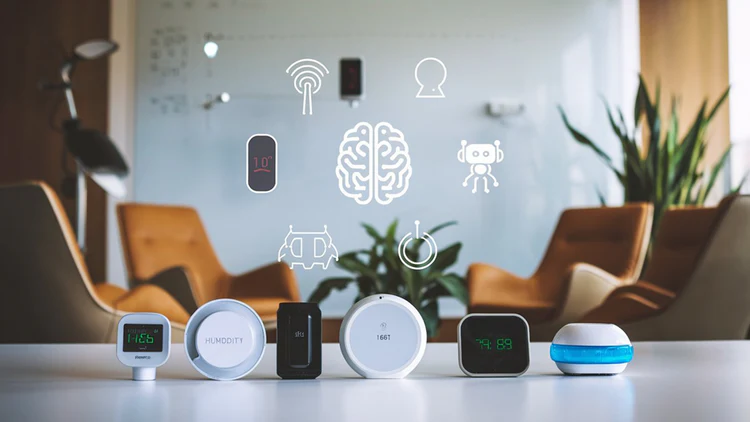
Smoke detectors, carbon monoxide alarms, and humidity sensors are essential for guest safety. Smart versions can send real-time alerts to your phone, allowing you to act quickly in case of emergencies. Integrating these with your monitoring dashboard ensures you never miss a critical update.
Noise and Party Detection
Noise monitoring tools help prevent unauthorized parties and disturbances. These devices measure decibel levels and can notify you if sound exceeds a certain threshold, helping you maintain good relationships with neighbors and avoid fines.
Unified Dashboards and Analytics Platforms
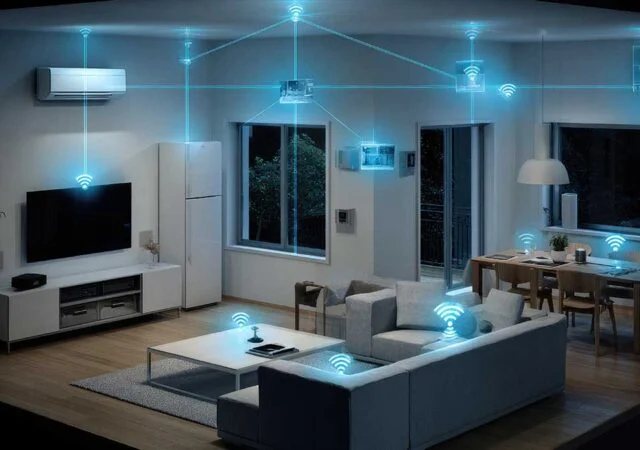
Centralized dashboards bring together data from all your sensors, offering a single view of your property’s status. These platforms often include analytics features, allowing you to spot trends, identify recurring issues, and make informed decisions about pricing or maintenance. For hosts managing multiple properties, smart rental dashboards hosts provide unified control and reporting.
Choosing the Right Sensors and Platforms
Selecting the best airbnb data monitoring tools depends on your property type, local regulations, and personal preferences. Here are some factors to consider:
- Compatibility: Ensure that your chosen sensors and dashboards work together seamlessly.
- Privacy: Always respect guest privacy. Avoid cameras in private spaces and clearly disclose any monitoring devices in your listing.
- Compliance: Check local laws regarding surveillance and data collection. Some areas have strict rules about what can be monitored.
- Ease of Use: Look for systems with intuitive apps and clear notifications, so you can respond quickly to alerts.
- Scalability: If you manage multiple rentals, opt for platforms that support several properties under one account.
For a detailed comparison of sensor types and their applications, see this guide to choosing sensors for smart homes.
Integrating Data Monitoring with Other Hosting Technologies
To maximize the benefits of monitoring, consider integrating your tools with other smart home and rental management solutions. For example, pairing occupancy sensors with smart guest verification sensors can streamline check-ins and improve security. Combining safety tech with airbnb safety tech sensors ensures a comprehensive approach to risk management.
Many platforms offer open APIs or integrations with popular property management systems, making it easier to automate tasks like messaging, cleaning schedules, or dynamic pricing adjustments based on occupancy data.
Best Practices for Implementing Monitoring Solutions
To get the most from your data monitoring setup, follow these practical tips:
- Be Transparent: Clearly inform guests about any monitoring devices in your property description and house rules.
- Test Regularly: Check that sensors and alerts are functioning as expected before each new booking.
- Stay Updated: Keep your devices’ firmware and apps up to date to benefit from new features and security patches.
- Review Data Responsibly: Use collected information to improve operations, not to intrude on guest privacy.
- Combine with Other Security Measures: Monitoring tools work best alongside smart locks, guest verification, and fraud detection systems. Learn more about rental fraud detection sensors for added protection.
FAQ: Airbnb Data Monitoring and Hosting Technology
What types of data can Airbnb monitoring tools collect?
Most tools gather information on occupancy, motion, noise levels, temperature, humidity, and safety events like smoke or CO detection. Some advanced platforms also provide analytics on guest behavior and property usage patterns.
Are there privacy concerns with using monitoring devices in rentals?
Yes. It’s crucial to avoid cameras in private areas and always disclose the presence of any sensors or monitoring devices in your listing. Respecting guest privacy is not only ethical but also required by Airbnb’s policies and many local laws.
How do I choose the right monitoring system for my property?
Consider your main concerns (security, safety, occupancy), the size and layout of your rental, and your budget. Look for systems that are easy to install, integrate with your existing tech, and offer reliable customer support. Reading reviews and comparison guides, such as the sensor selection guide for smart homes, can help you make an informed decision.
Conclusion
Embracing airbnb data monitoring tools is a smart move for hosts who want to protect their property, enhance guest satisfaction, and operate more efficiently. By choosing the right mix of sensors, dashboards, and integrations, you can automate routine tasks, respond quickly to issues, and gain valuable insights that drive better results. As the short-term rental industry continues to evolve, leveraging technology will be key to staying ahead and delivering a safe, seamless experience for every guest.