
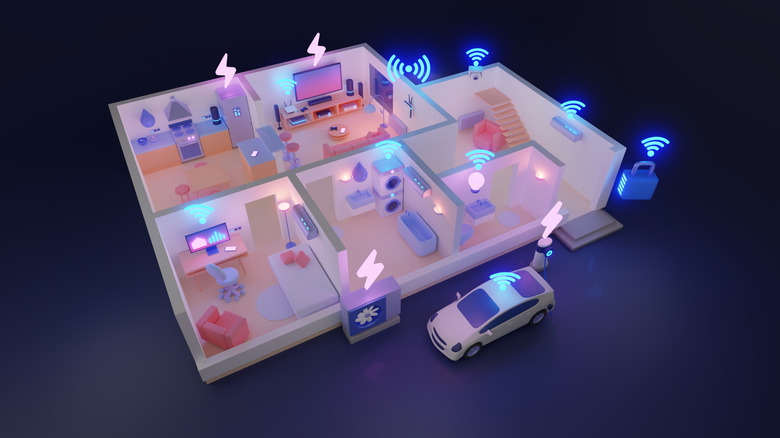

Managing multiple short-term rental properties can quickly become overwhelming, especially when it comes to monitoring security, guest comfort, and property maintenance. A rental automation sensor platform offers a unified solution, allowing hosts and property managers to centralize control, automate essential tasks, and enhance the guest experience. By integrating smart sensors throughout your properties, you can streamline operations, reduce manual oversight, and respond proactively to issues before they escalate.
Whether you oversee a single vacation home or a growing portfolio, leveraging a centralized sensor system brings efficiency and peace of mind. These platforms connect various smart devices—such as motion detectors, temperature monitors, smoke alarms, and entry sensors—into a single dashboard. This enables real-time alerts, remote management, and data-driven insights, all from one place.
For those scaling up, exploring scalable rental sensor systems can provide additional flexibility and future-proof your investment. Let’s look at how a smart platform can transform your rental management and what features to prioritize for the best results.
Why Centralized Sensor Automation Matters for Hosts
Traditional property management often relies on manual checks, guest communication, and reactive maintenance. This approach can lead to missed issues, higher costs, and inconsistent guest experiences. A centralized automation platform changes the equation by:
- Reducing manual labor: Automate routine tasks like temperature adjustments, lighting schedules, and entry monitoring.
- Improving security: Get instant alerts for unauthorized access, smoke detection, or water leaks, minimizing risks and damages.
- Enhancing guest comfort: Remotely control climate, lighting, and amenities to ensure every stay meets your standards.
- Saving energy: Use occupancy and environmental sensors to optimize energy usage, lowering utility bills and environmental impact.
- Streamlining maintenance: Identify issues early—such as HVAC malfunctions or pest activity—so you can address them before they affect guests.
Centralization means you no longer have to juggle multiple apps or dashboards. Everything is accessible in one place, making it easier to monitor and manage your rentals efficiently.
Key Components of a Rental Automation Sensor Platform
To maximize the benefits, it’s important to understand the essential elements of a robust sensor system. Here are the core components to consider:
- Smart Entry Sensors: Monitor doors and windows for unauthorized access or open/close status. These are vital for both security and guest check-in/out automation.
- Motion and Occupancy Detectors: Track movement to automate lighting, HVAC, and security alerts. These sensors help optimize energy use and ensure guest privacy.
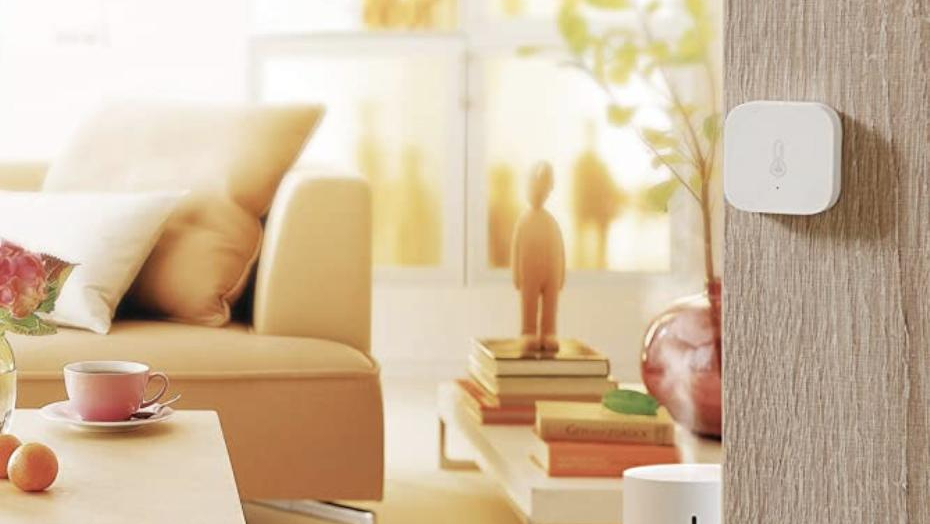
- Environmental Sensors: Devices that monitor temperature, humidity, air quality, and smoke. They help maintain a comfortable environment and alert you to potential hazards.
- Noise and Vibration Sensors: Useful for enforcing house rules and detecting parties or disturbances, protecting your property and reputation.
- Pest and Rodent Detectors: Early detection of unwanted guests (the non-human kind) can prevent costly infestations and maintain hygiene standards.
For a deeper dive into specialized monitoring, check out these airbnb host monitoring tools that integrate seamlessly with most automation platforms.
Choosing the Right Platform for Your Properties
Not all sensor systems are created equal. When evaluating solutions, consider these factors:
- Integration: Look for platforms that support a wide range of devices and brands, so you can mix and match sensors as needed.
- User Interface: A clean, intuitive dashboard makes it easy to monitor multiple properties and respond quickly to alerts.
- Remote Access: Ensure you can control and receive notifications from anywhere, whether you’re at home or on the go.
- Scalability: As your portfolio grows, your platform should easily accommodate new properties and devices without major upgrades.
- Data Security: Protect guest privacy and your business data with robust encryption and access controls.
Some platforms also offer advanced analytics, helping you spot trends and optimize operations. For property managers handling several units, property manager smart sensors can provide tailored solutions for multi-unit oversight.
Popular Use Cases for Sensor Automation in Rentals
Centralized sensor systems are highly adaptable. Here are some of the most common ways hosts and managers use them:
- Automated Check-In/Out: Smart locks and entry sensors enable seamless, keyless access for guests, with activity logs for added security.
- Noise Monitoring: Noise sensors help enforce house rules and prevent parties, reducing the risk of property damage and neighbor complaints.
- Smoke and CO Detection: Integrated alarms send instant notifications to your phone, allowing rapid response to emergencies.
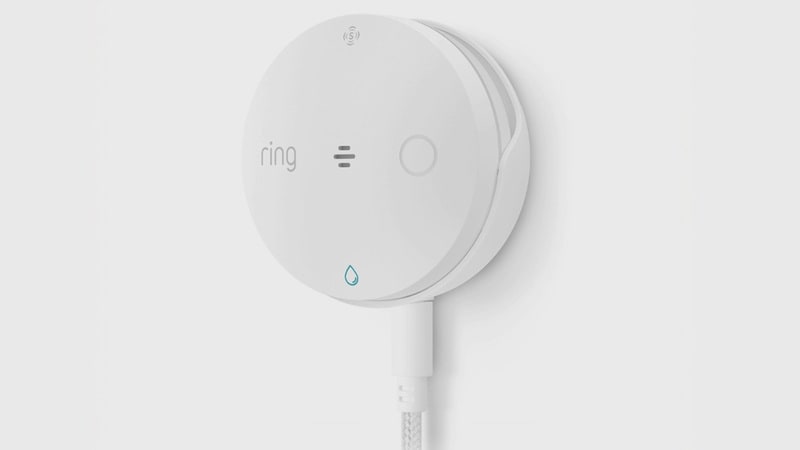
- Leak and Flood Alerts: Water sensors placed near appliances or in basements can prevent costly water damage by alerting you to leaks early.
- Energy Management: Use occupancy and environmental data to automate heating, cooling, and lighting, saving money and reducing your carbon footprint.
For more ideas on optimizing your setup, review the smart alert system for hosts to see how instant notifications can further streamline your workflow.
Integrating with Other Smart Home Tools
Modern sensor platforms are designed to work with a variety of smart home devices and assistants. Many systems support integration with Alexa, Google Home, and Apple HomeKit, allowing you to control devices via voice commands or routines. For a comprehensive overview of compatible devices, the best smart home sensors for Alexa guide offers valuable insights.
Combining your sensor platform with other tools—such as smart thermostats, lighting systems, and security cameras—creates a truly connected rental property. This holistic approach not only improves efficiency but also enhances the guest experience, leading to better reviews and higher occupancy rates.
Security and Privacy Considerations
While automation brings many benefits, it’s essential to address privacy and security. Always inform guests about the presence and purpose of sensors, especially those monitoring noise, entry, or environmental conditions. Avoid placing cameras or sensors in private areas like bedrooms and bathrooms.
Choose platforms with strong encryption and user access controls to protect sensitive data. Regularly update device firmware and review access logs to ensure your system remains secure. For secure entry management, explore rental property access sensors that balance convenience with robust protection.
Getting Started with Your Own Sensor Platform
Adopting a rental automation sensor platform doesn’t require a complete overhaul. Start by identifying your biggest pain points—such as security, energy management, or guest check-in—and select sensors that address those needs. Gradually expand your system as your comfort and requirements grow.
Many platforms offer plug-and-play devices, making installation straightforward even for non-technical users. Look for solutions with strong customer support and clear documentation to ensure a smooth onboarding process.
FAQ
What types of sensors are most important for rental properties?
The most valuable sensors typically include entry and motion detectors, smoke and CO alarms, noise monitors, and water leak sensors. These devices address the core concerns of safety, security, and property maintenance.
Can I integrate different brands of sensors into one platform?
Many modern automation platforms support a wide range of devices and brands, allowing you to mix and match according to your needs. Always check compatibility before purchasing new sensors.
How do I ensure guest privacy while using automation sensors?
Inform guests about any monitoring devices and their purpose. Avoid placing sensors in private spaces, and use only the data necessary for property management. Choose platforms with robust privacy controls and transparent data policies.