
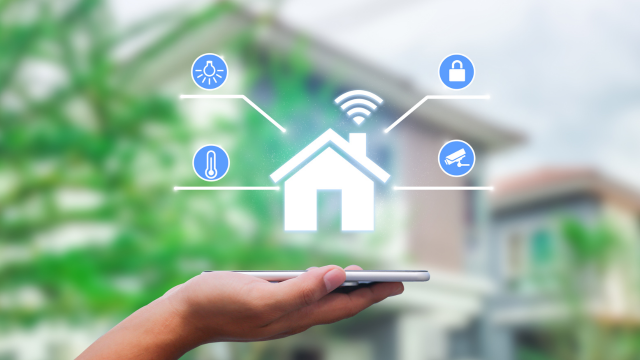

The rise of connected technology has transformed the way rental properties are managed and experienced. Landlords, property managers, and short-term rental hosts are increasingly turning to a smart home rental ecosystem to streamline operations, enhance guest satisfaction, and boost property security. By integrating a range of smart devices, property owners can automate routine tasks, monitor their spaces remotely, and offer a seamless, modern living experience for tenants and guests alike.
Understanding how to build and maintain an effective network of smart devices is crucial for anyone involved in rental property management. This guide explores the essential components, benefits, and best practices for creating a cohesive, easy-to-manage system that supports both operational efficiency and tenant comfort.
For property managers scaling up, leveraging scalable rental sensor systems can provide a strong foundation for integrating multiple smart devices across several units. These systems help ensure that your technology investment grows with your portfolio, maintaining efficiency and control as your business expands.
Key Components of a Connected Rental Property
Building a robust smart home rental ecosystem starts with selecting the right devices and platforms. The most effective systems are those that combine security, convenience, and energy management while remaining easy to use for both managers and tenants.
- Smart Locks and Access Sensors: Enable keyless entry, track access logs, and simplify guest check-in and check-out. For enhanced entry management, consider integrating rental property access sensors for secure, automated control.
- Environmental Sensors: Devices like smart thermostats, leak detectors, and air quality monitors help maintain comfort and prevent costly damage.
- Security Cameras and Alarms: Real-time monitoring and instant alerts provide peace of mind for both owners and renters.
- Lighting and Appliance Controls: Automated schedules and remote control options reduce energy waste and improve convenience.
- Integrated Alert Systems: Solutions such as a smart alert system for hosts deliver instant notifications for smoke, water leaks, or unauthorized entry.
Benefits of an Integrated Device Network
When smart devices work together within a single ecosystem, the advantages multiply. Here’s how a well-integrated setup can make a difference:
- Operational Efficiency: Automating routine tasks—like temperature adjustments or guest access—saves time and reduces manual errors.
- Enhanced Security: Centralized monitoring and instant alerts help prevent unauthorized access and respond quickly to emergencies.
- Improved Tenant Experience: Guests and residents appreciate the convenience of smart controls, which can lead to better reviews and higher occupancy rates.
- Energy Savings: Smart thermostats and lighting systems can significantly reduce utility costs by optimizing usage based on occupancy and schedules.
- Scalability: A modular approach allows property managers to add new devices as needed, supporting growth without major overhauls.

Choosing the Right Devices for Your Property
The ideal mix of smart devices depends on your property type, tenant needs, and management goals. Here are some tips for making informed choices:
- Prioritize devices that address your biggest pain points—such as access control, energy management, or security.
- Look for products that are compatible with your preferred smart home platform (e.g., Google Home, Amazon Alexa, Apple HomeKit).
- Consider the ease of installation and maintenance, especially for multi-unit properties.
- Choose devices with strong support and regular software updates to ensure long-term reliability.
- Explore solutions designed specifically for rentals, such as property manager smart sensors that offer centralized control and reporting.
Integrating Sensors and Automation for Maximum Impact
One of the most powerful aspects of a smart home rental ecosystem is the ability to automate responses based on real-time data from sensors. For example, a water leak sensor can trigger an alert and automatically shut off the main valve, preventing costly damage. Similarly, occupancy sensors can adjust lighting and HVAC settings to save energy when units are vacant.
To further enhance your setup, consider adding specialized sensors such as smart rodent detectors or smoke alerts. These devices not only protect your property but also demonstrate a commitment to tenant safety and comfort.
For a wide range of sensor options, explore advanced smart home sensors for rental properties that can be easily integrated into your existing ecosystem.

Best Practices for Managing a Smart Rental Environment
To get the most out of your connected property, follow these practical strategies:
- Centralize Control: Use a unified dashboard or app to monitor and manage all devices from one place.
- Document Procedures: Provide clear instructions for guests and tenants on how to use smart features, ensuring a smooth experience.
- Maintain Privacy: Be transparent about which devices are installed and how data is used, respecting tenant privacy and legal requirements.
- Regularly Update Devices: Keep firmware and software up to date to maintain security and compatibility.
- Monitor Performance: Track device health and usage patterns to identify issues early and optimize your setup.
For hosts seeking additional support, tools like airbnb host monitoring tools can simplify oversight and reduce stress, especially for those managing multiple listings.
Common Challenges and How to Overcome Them
While the benefits of a smart home rental ecosystem are clear, some challenges may arise:
- Device Compatibility: Not all devices work seamlessly together. Stick to brands and platforms known for interoperability, or use hubs that bridge different protocols.
- Wi-Fi Reliability: Smart devices depend on stable internet. Invest in quality networking equipment and consider backup solutions for critical systems.
- Tenant Turnover: Reset devices between guests or tenants to protect privacy and ensure smooth onboarding for new arrivals.
- Initial Investment: While upfront costs can be significant, focus on devices that deliver the highest ROI through energy savings, reduced maintenance, or improved guest ratings.
FAQ
What are the most important devices to include in a smart rental property?
The essentials typically include smart locks, security cameras, environmental sensors (like smoke and leak detectors), and automated lighting or thermostats. These devices address security, safety, and convenience for both managers and tenants.
How can I ensure my smart devices are secure from hacking?
Use strong, unique passwords for each device, enable two-factor authentication where possible, and keep all firmware up to date. Choose reputable brands with a track record of regular security updates.
Do I need to inform tenants or guests about smart devices in the property?
Yes, transparency is key. Clearly communicate which devices are installed, how they operate, and what data (if any) is collected. This builds trust and helps avoid misunderstandings.