

Managing guest access is one of the most important aspects of running a successful short-term rental. With the rise of airbnb smart access control solutions, hosts can now grant, revoke, and monitor entry permissions from anywhere in the world. This technology not only streamlines the check-in process but also enhances security and guest satisfaction.
Modern smart locks, sensors, and integrated platforms are transforming how hosts handle property access. Instead of relying on physical keys or manual handovers, property owners can automate entry, set time-limited codes, and track access events in real time. This guide explores the key benefits, essential features, and best practices for implementing remote access control in your rental property.
For hosts interested in taking automation even further, iot compliance monitoring airbnb offers additional layers of safety and operational efficiency. These systems can help ensure your property meets local regulations and provides a seamless experience for guests.
Why Remote Access Management Matters for Short-Term Rentals
Traditional key exchanges can be inconvenient and risky. Lost keys, unauthorized copies, and late-night arrivals all pose challenges for hosts and guests alike. By adopting smart access control for Airbnb properties, owners can:
- Improve security by eliminating physical keys and using encrypted digital codes.
- Simplify check-in and check-out with automated, contactless entry.
- Monitor access to see exactly when guests, cleaners, or maintenance staff enter and leave.
- Grant temporary permissions that expire automatically after a guest’s stay.
- Respond quickly to last-minute bookings or emergencies without being on-site.
These advantages not only save time but also reduce stress for both hosts and guests, making the rental experience smoother and more secure.
Key Features of Airbnb Smart Access Control Systems
When choosing a remote access solution, it’s important to look for features that align with your property’s needs. Here are some of the most valuable capabilities:
- Remote code generation: Create unique, time-limited codes for each guest or service provider.
- Mobile app control: Manage permissions, monitor entry logs, and receive notifications from your smartphone.
- Integration with booking platforms: Some systems sync with Airbnb and other rental platforms to automate code assignment based on reservations.
- Audit trails: Access detailed logs showing who entered and when, supporting accountability and dispute resolution.
- Multiple user roles: Assign different access levels for guests, cleaners, and maintenance staff.
- Fail-safe mechanisms: Ensure backup entry options in case of power outages or connectivity issues.
Choosing the Right Smart Lock and Sensors
There are many smart locks and sensor systems on the market, each with their own strengths. Consider the following when selecting a solution for your rental:
- Compatibility: Ensure the lock fits your door type and integrates with your preferred management platform.
- Connectivity: Wi-Fi, Bluetooth, and Z-Wave options offer different ranges and reliability. Wi-Fi enables true remote control, while Bluetooth may require proximity.
- Power source: Battery-powered locks are easy to install but require regular checks. Hardwired options offer more stability but may need professional installation.
- Guest experience: Look for intuitive interfaces and clear instructions to minimize guest confusion.
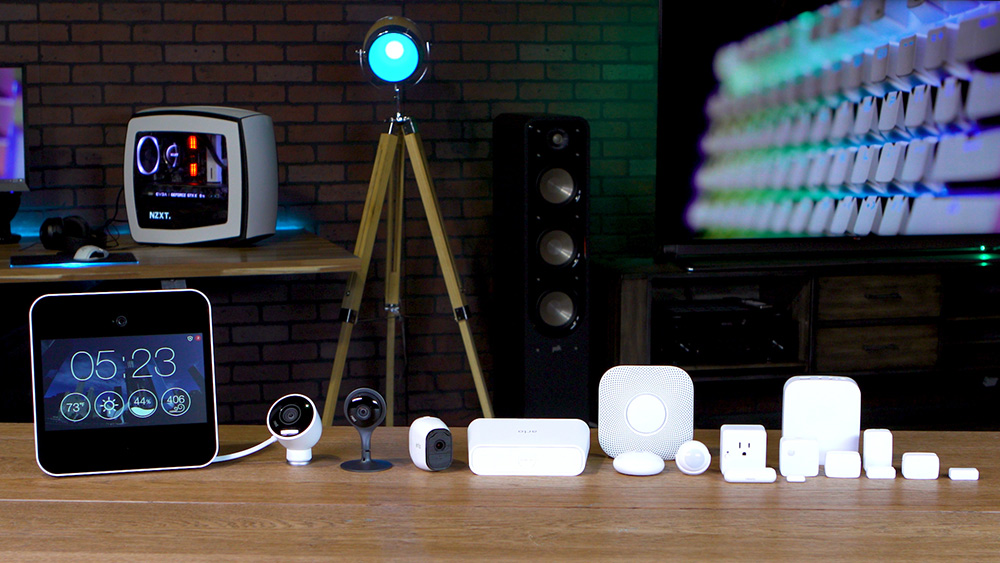
- Additional sensors: Door/window sensors, motion detectors, and cameras can further enhance security and automate property management.
For a deeper dive into how smart sensors can automate and secure your property, see this comprehensive guide on smart sensors and home automation.
Integrating Smart Access With Rental Operations
Remote access control is most effective when it’s part of a broader property management strategy. By connecting your smart lock system with cleaning schedules, maintenance alerts, and guest communications, you can automate many routine tasks. For example, integrating with a rental check-in sensors system can help ensure seamless arrivals and departures, reducing the risk of lockouts or unauthorized stays.
Some platforms also offer features like automatic code expiration, real-time alerts for unusual activity, and integration with compliance monitoring tools. This holistic approach not only boosts security but also helps maintain a high standard of service for every guest.
Best Practices for Secure and Efficient Permission Management
To get the most out of your airbnb smart access control system, follow these practical tips:
- Regularly update codes: Assign unique codes for each guest and change them after every stay.
- Limit access windows: Set codes to activate only during the reservation period.
- Monitor entry logs: Review access records to spot unusual activity or unauthorized entries.
- Educate guests: Provide clear instructions on how to use the smart lock and what to do if issues arise.
- Maintain backup access: Keep a secure backup method (like a hidden manual key or a trusted neighbor) in case of technical failures.
- Stay compliant: Make sure your system meets local regulations and privacy standards. For more on this, see smart safety compliance rentals.
Expanding Automation With Smart Sensors
Beyond locks, integrating sensors such as motion detectors, smoke alarms, and environmental monitors can further enhance your rental’s safety and efficiency. These devices can alert you to unauthorized access, detect hazards, and even automate lighting or HVAC systems based on occupancy. By combining smart access control with other IoT solutions, you create a comprehensive, automated environment that benefits both hosts and guests.
For those interested in predictive maintenance, leveraging predictive maintenance rental sensors can help prevent costly repairs and extend the life of your property’s infrastructure.
FAQ
How does remote access control improve guest experience?
Automated entry systems allow guests to check in at their convenience without waiting for a host or worrying about lost keys. This flexibility is especially valuable for late arrivals or international travelers. Additionally, digital codes can be sent instantly, making last-minute bookings much easier to manage.
Are smart locks secure enough for rental properties?
Most reputable smart locks use advanced encryption and security protocols to protect against hacking and unauthorized access. By regularly updating codes and monitoring access logs, hosts can maintain a high level of security. It’s also important to choose devices from trusted manufacturers and keep firmware up to date.
Can I integrate smart access control with other property management tools?
Yes, many modern systems offer integration with booking platforms, cleaning schedules, and compliance monitoring tools. This allows for seamless automation of guest access, staff permissions, and maintenance alerts, streamlining operations and reducing manual work for hosts.