

Staying compliant with local safety regulations is a top priority for rental property owners and managers. With evolving standards and increasing guest expectations, leveraging smart safety compliance rentals solutions can make a significant difference. These technologies not only help you meet legal requirements but also enhance guest trust and streamline property management.
From automated smoke detection to real-time environmental monitoring, smart devices are transforming the way rental properties maintain safety. In this article, we’ll explore how to use smart compliance tools, what local regulations typically require, and how to integrate these solutions into your rental operations for peace of mind and legal assurance.
For hosts looking to further automate their operations, integrating a rental check-in sensors system can streamline arrivals and departures, helping ensure compliance and a seamless guest experience.
Understanding Local Safety Regulations for Rentals
Every region has its own set of safety requirements for short-term and long-term rental properties. These typically cover essentials such as smoke and carbon monoxide detectors, fire extinguishers, emergency exits, and sometimes even air quality standards. Failing to comply can result in fines, legal action, or even loss of your rental license.
- Smoke and CO Detectors: Most jurisdictions require functioning smoke alarms in bedrooms and hallways, and carbon monoxide detectors where fuel-burning appliances are present.
- Fire Safety: Fire extinguishers must be accessible, and clear evacuation routes should be marked.
- Electrical and Gas Safety: Regular inspections of wiring, outlets, and gas lines are often mandated.
- Occupancy and Accessibility: Some areas require minimum space per guest and accessible features for those with disabilities.
Keeping up with these rules can be challenging, especially if you manage properties in multiple locations. That’s where smart compliance solutions come in.
How Smart Devices Enable Safety Compliance in Rentals
Modern technology offers a range of tools that make it easier to meet and document safety standards. Here’s how smart safety compliance rentals solutions are changing the game:
- Automated Monitoring: Smart smoke and CO detectors send alerts directly to your phone, allowing for immediate action if an issue arises.
- Remote Documentation: Many devices log events and maintenance checks, providing digital records that can be shared with inspectors or insurance providers.
- Real-Time Notifications: Receive instant updates if a device is tampered with, batteries are low, or a hazard is detected.
- Integration with Property Management: Smart sensors can be connected to your property management system, automating compliance checks and maintenance reminders.
Key Smart Compliance Tools for Property Owners
Choosing the right devices is crucial for effective compliance. Here are some of the most impactful smart tools for rental safety:
- Smart Smoke and CO Detectors: These devices offer wireless connectivity, self-testing features, and mobile alerts. They help ensure you never miss a maintenance deadline or a critical alarm.
- Environmental Sensors: Devices that monitor humidity, temperature, and air quality can help prevent mold growth and maintain a healthy environment for guests.
- Rodent and Pest Detectors: Smart rodent detectors can alert you to infestations before they become a problem, supporting both compliance and guest satisfaction.
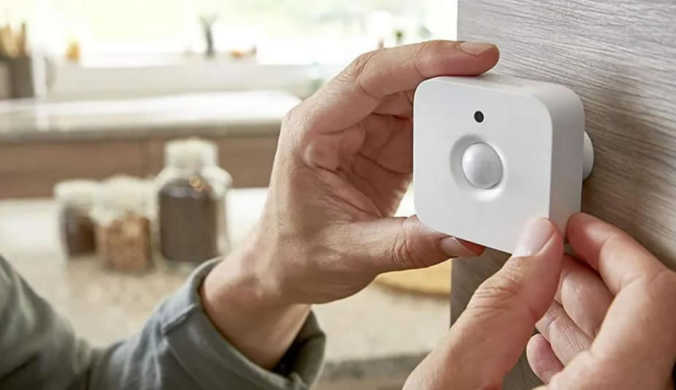
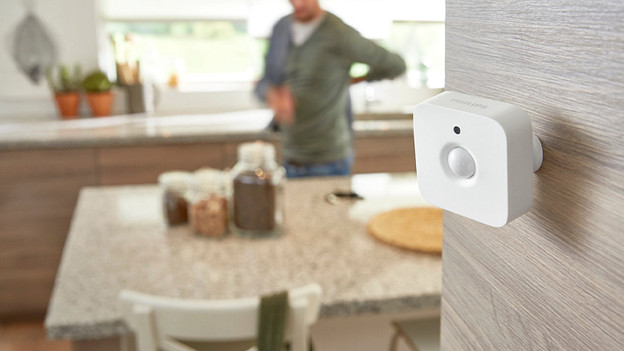
- Entry and Motion Sensors: These can help you monitor unauthorized access and ensure that emergency exits remain unobstructed.
For a deeper understanding of how these technologies work, you can read about smart home sensors and their applications in property management.
Integrating Smart Safety Solutions with Rental Operations
Implementing smart compliance technology is more than just installing devices. It involves integrating these tools into your daily operations and maintenance routines. Here are some best practices:
- Centralized Monitoring: Use a dashboard or app to monitor all devices across your properties in real time.
- Automated Alerts: Set up notifications for low batteries, device malfunctions, or triggered alarms to ensure rapid response.
- Scheduled Maintenance: Leverage device logs to schedule regular checks and document compliance for inspections.
- Staff Training: Ensure your cleaning and maintenance teams know how to test and reset devices as part of their routine.
By integrating these practices, you not only meet legal requirements but also demonstrate a proactive approach to guest safety.

Benefits of Smart Compliance for Rental Properties
Adopting smart safety tools offers benefits that go beyond simple legal compliance:
- Reduced Liability: Automated documentation and instant alerts help you respond quickly to hazards, reducing the risk of costly incidents.
- Improved Guest Experience: Guests appreciate visible safety measures and fast responses to issues, leading to better reviews and repeat bookings.
- Operational Efficiency: Centralized monitoring and automated reminders save time and reduce manual errors.
- Future-Proofing: As regulations evolve, smart devices can often be updated remotely, keeping your property compliant without major upgrades.
For hosts interested in optimizing other aspects of property management, consider exploring predictive maintenance rental sensors to prevent costly repairs and downtime.
Common Challenges and How to Overcome Them
While the advantages are clear, implementing smart compliance solutions can present some challenges:
- Upfront Costs: Investing in quality devices can be expensive initially. However, the long-term savings on insurance, fines, and maintenance often outweigh the costs.
- Device Compatibility: Ensure that your chosen devices integrate smoothly with your existing property management systems.
- Network Reliability: Smart devices require stable internet connections. Consider backup solutions for critical safety devices.
- Data Privacy: Make sure to comply with local privacy laws when collecting and storing guest or property data.
Addressing these issues early will help you maximize the benefits of your investment and maintain full compliance.
FAQ: Smart Safety Compliance for Rentals
What are the most important smart devices for rental safety compliance?
The most critical devices include smart smoke and carbon monoxide detectors, environmental sensors for air quality and humidity, and smart rodent or pest detectors. These tools help you meet legal requirements and provide real-time alerts for faster response.
How do I ensure my smart safety devices meet local regulations?
Always check your local laws for specific requirements regarding device type, placement, and maintenance. Choose devices that are certified for your region and keep digital records of installation and testing for inspections.
Can smart compliance tools help with insurance claims?
Yes. Many insurance providers accept digital logs and automated reports from smart devices as proof of compliance and maintenance, which can streamline claims and potentially lower premiums.
Conclusion
Embracing smart safety compliance rentals solutions is a proactive way to meet local regulations, protect your property, and enhance the guest experience. By integrating advanced monitoring tools and automating compliance tasks, rental owners can reduce risk, save time, and stay ahead of evolving safety standards. Start with the essentials—smoke and CO detectors, environmental sensors, and pest monitoring—and build a system that grows with your business and regulatory needs.