
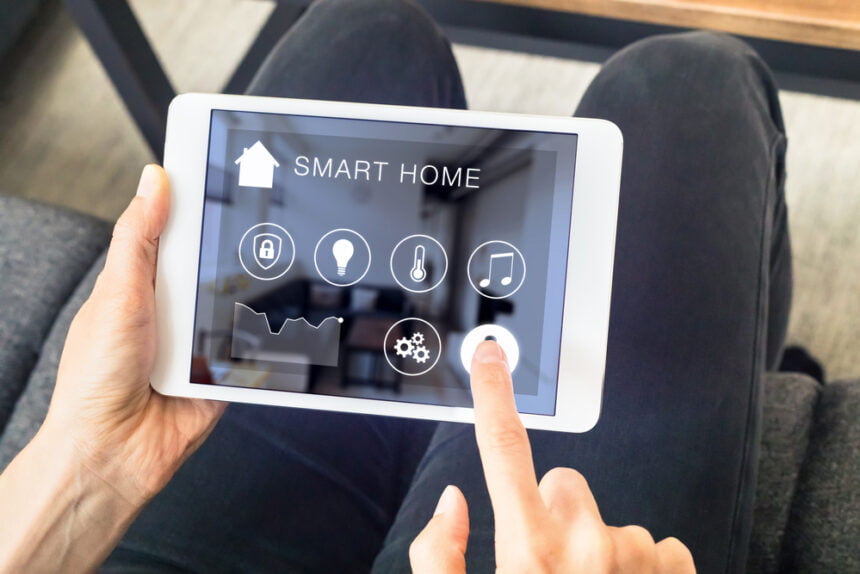

Managing multiple short-term rental properties comes with unique challenges, from ensuring guest comfort and safety to optimizing operational efficiency. As the industry grows more competitive, property owners and managers are turning to smart sensor network vacation rentals solutions to streamline processes, protect assets, and deliver a superior guest experience. By integrating connected sensors throughout your properties, you can automate monitoring, reduce manual tasks, and make data-driven decisions that support business growth.
This article explores how a modern sensor ecosystem can transform your rental operations. You’ll learn about the types of sensors available, the benefits of networked monitoring, and practical steps for implementing these technologies. Whether you manage a handful of listings or a large portfolio, adopting smart tools can help you scale efficiently while maintaining high standards for guests and owners alike.
For those interested in maximizing efficiency and reducing costs, integrating energy saving sensors rental homes can be a strategic first step. These devices not only help cut utility bills but also contribute to a more sustainable and attractive rental offering.
Why Connected Sensors Matter for Short-Term Rentals
The hospitality sector is rapidly adopting automation and remote monitoring to keep up with evolving guest expectations and operational demands. A smart sensor network enables property managers to:
- Monitor environmental conditions such as temperature, humidity, and air quality in real time.
- Detect motion and occupancy to automate lighting, HVAC, and security systems.
- Receive instant alerts for issues like smoke, water leaks, or unauthorized entry.
- Analyze usage patterns to optimize cleaning schedules, maintenance, and energy consumption.
By leveraging these capabilities, you can minimize risks, reduce manual oversight, and provide a seamless experience for guests. This is especially valuable for hosts managing properties remotely or at scale.
Key Components of a Smart Sensor Network
Building a robust sensor ecosystem requires selecting the right mix of devices and ensuring they communicate effectively. Here are some essential sensor types for vacation rental properties:
- Environmental Sensors: Monitor temperature, humidity, and air quality to maintain guest comfort and protect property assets.
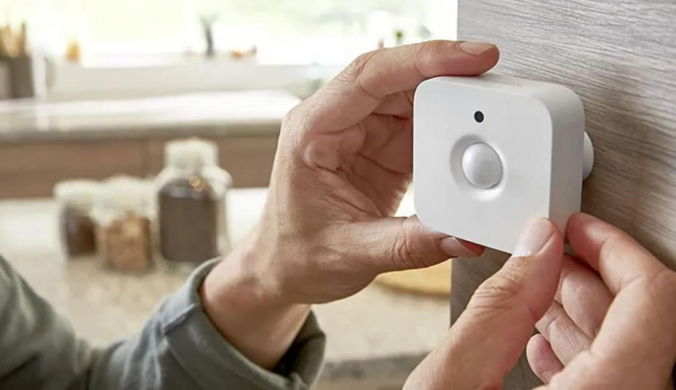
- Motion and Occupancy Sensors: Automate lighting and security, and track guest check-in/check-out activity.
- Smoke and CO Detectors: Provide critical safety alerts and compliance with local regulations.
- Water Leak Sensors: Detect plumbing issues early to prevent costly damage.
- Noise and Vibration Sensors: Help enforce house rules and prevent disturbances to neighbors.
- Rodent and Pest Detectors: Identify infestations before they impact guests or property reputation.
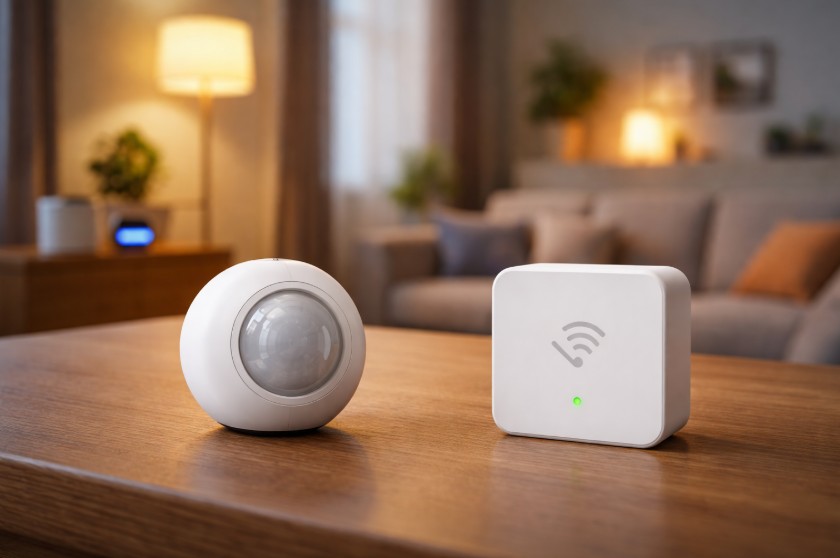
To unify these devices, many property managers use an iot hub for rental smart devices, which centralizes control and data collection for all connected sensors.
How Sensor Networks Help Scale Your Rental Business
Expanding your portfolio is easier when you have reliable systems in place. A smart sensor network for vacation properties delivers several advantages that directly support business growth:
- Remote Management: Monitor multiple properties from a single dashboard, reducing the need for on-site visits.
- Automated Alerts: Receive notifications for maintenance issues or security breaches, enabling faster response times.
- Operational Efficiency: Automate routine tasks like climate control and check-in processes, freeing up staff for higher-value work.
- Data-Driven Insights: Use sensor data to optimize pricing, occupancy, and guest satisfaction.
- Risk Reduction: Proactively address problems before they escalate, protecting your investment and reputation.
For a deeper dive into leveraging sensor data for operational improvements, see the guide on property management sensor data.
Choosing and Integrating the Right Sensors
When selecting sensors for your rental properties, consider the following factors:
- Compatibility: Ensure sensors can connect to your existing network or IoT hub.
- Reliability: Choose devices with proven performance and long battery life.
- Scalability: Opt for solutions that can grow with your portfolio.
- Data Security: Protect guest privacy and property data with encrypted communications.
- Ease of Installation: Wireless, battery-powered sensors are typically easier to deploy across multiple units.
Seamless integration is key. Many hosts benefit from platforms that support smart home integration rentals, allowing all devices to work together for maximum automation and control.
Best Practices for Implementing Sensor Networks
To get the most value from your smart sensor network vacation rentals setup, follow these best practices:
- Start with a Pilot: Test sensors in a single property before rolling out across your portfolio.
- Train Your Team: Ensure staff understand how to use dashboards and respond to alerts.
- Regularly Review Data: Analyze trends to identify opportunities for further automation or cost savings.
- Maintain Devices: Schedule periodic checks and battery replacements to ensure reliability.
- Communicate with Guests: Inform guests about sensors in use and how they enhance safety and comfort.
For hosts seeking a hands-off approach, consider exploring smart rental automation tools that integrate sensor data with property management platforms.
Expanding Capabilities with Home Automation
Integrating sensors with broader home automation systems unlocks even more potential. For example, you can:
- Automatically adjust thermostats based on occupancy and weather data.
- Enable self-check-in with smart locks and entry sensors.
- Trigger cleaning or maintenance requests when sensors detect high usage or issues.
- Monitor for excessive noise or unauthorized parties to protect your property and neighborhood relations.
To learn more about the role of smart sensors in home automation, see this comprehensive guide to smart sensors and their role in home automation.
Frequently Asked Questions
What are the main benefits of using a smart sensor network in vacation rentals?
Deploying a network of connected sensors allows property managers to automate monitoring, receive instant alerts for issues, and optimize operations across multiple properties. This leads to improved guest satisfaction, reduced risks, and lower operational costs.
Are smart sensors difficult to install and maintain?
Most modern sensors are wireless and battery-powered, making installation straightforward. Maintenance typically involves periodic battery checks and ensuring devices remain connected to your network. Many platforms offer centralized dashboards for easy management.
How can sensor data help optimize my rental business?
Sensor data provides insights into guest behavior, property usage, and potential issues. By analyzing this information, you can adjust pricing, schedule maintenance proactively, and automate tasks to improve efficiency and profitability.
Will guests be concerned about privacy with sensors in the property?
Transparency is key. Inform guests about the types of sensors in use and their purpose (e.g., safety, energy efficiency). Avoid placing sensors in private areas, and choose devices that respect guest privacy while still providing valuable monitoring features.