

Managing rental properties has always required a careful balance between security, maintenance, and tenant comfort. With the rise of smart technology, property owners and managers now have access to advanced tools that make oversight more efficient and proactive. A rental property IoT monitoring system integrates smart sensors, detectors, and connected devices to provide real-time insights, automate responses, and reduce manual intervention. This guide explores how these systems work, their advantages, and practical steps for implementation.
By leveraging connected devices, landlords can monitor everything from unauthorized entry to environmental hazards. These solutions not only enhance property protection but also streamline operations, helping owners save time and reduce costs. For those interested in broader automation strategies, resources like smart home automation for Airbnb hosts offer additional insights into optimizing rental management with technology.
Understanding IoT Solutions for Rental Properties
Internet of Things (IoT) technology refers to a network of devices that communicate and share data over the internet. In the context of rental properties, these devices can include motion sensors, door and window sensors, smoke detectors, thermostats, leak detectors, and more. A rental property IoT monitoring system brings these components together, allowing property managers to monitor and control their assets remotely.
Key features often include:
- Remote monitoring of security and environmental conditions
- Automated alerts for unusual activity or hazards
- Integration with mobile apps for real-time updates
- Data analytics to identify trends and optimize maintenance
By implementing these systems, landlords can address issues before they escalate, improve tenant satisfaction, and ensure compliance with safety regulations.
Core Components of a Smart Monitoring System
To get the most from a connected monitoring setup, it’s important to understand the essential devices and how they work together. Here are some of the most impactful components:
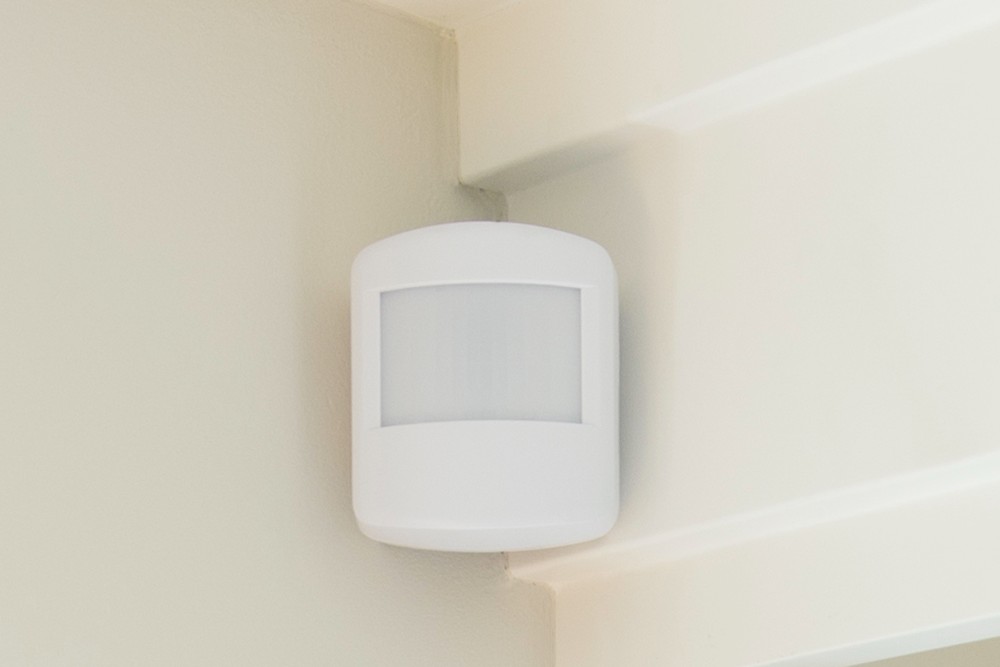
- Motion Sensors: Detect movement in common areas or restricted zones. These are crucial for both security and energy management.
- Entry Sensors: Placed on doors and windows to monitor access points. For a deeper dive, see our guide on smart door sensors rentals.
- Smoke and CO Detectors: Smart detectors send instant alerts to your phone and can be integrated with emergency services. Learn more about essential fire safety tech in smart smoke detectors for rentals.
- Leak and Moisture Sensors: Monitor for water leaks in basements, bathrooms, or kitchens to prevent costly damage.
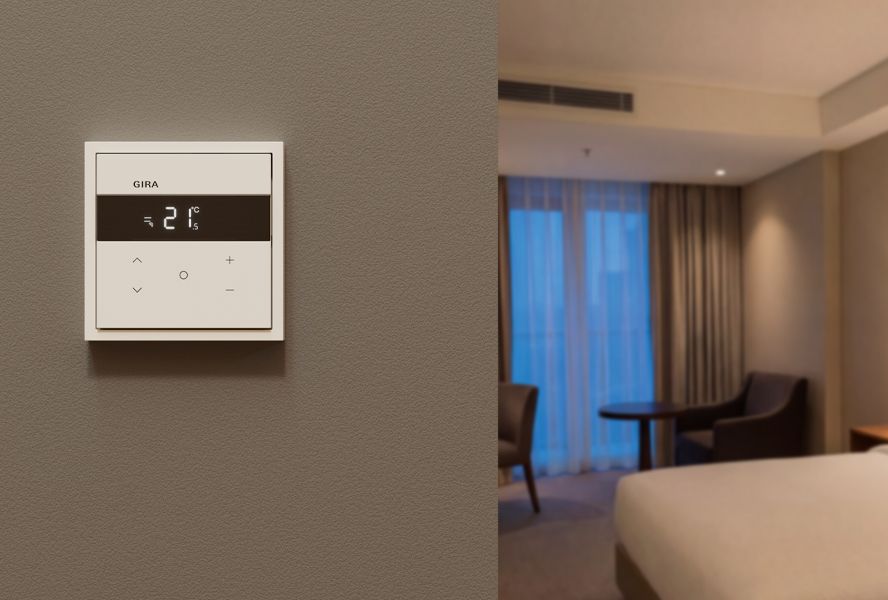
- Environmental Sensors: Track temperature, humidity, and air quality to maintain a comfortable and safe environment for tenants.
Many of these devices are wireless and battery-powered, making installation straightforward and minimizing disruption to tenants.
Benefits of Implementing Smart Monitoring in Rentals
Adopting a rental property IoT monitoring system delivers tangible advantages for both property owners and tenants. Some of the most significant benefits include:
- Enhanced Security: Real-time monitoring and instant alerts help deter unauthorized access and quickly address suspicious activity.
- Proactive Maintenance: Early detection of leaks, smoke, or temperature fluctuations allows for rapid intervention, reducing repair costs and property damage.
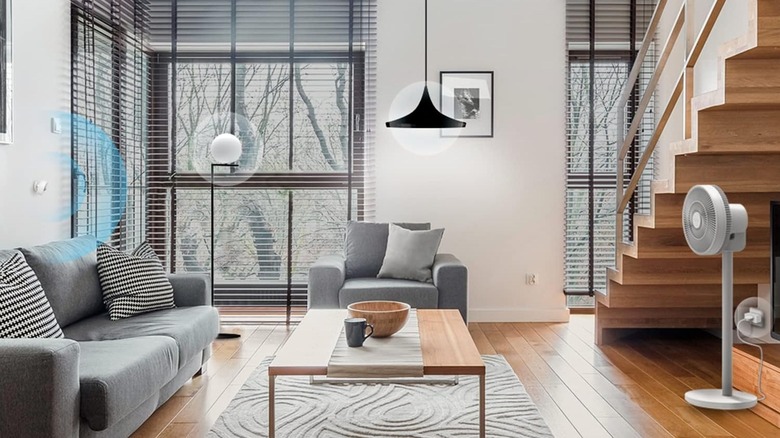
- Energy Efficiency: Automated control of lighting, heating, and cooling based on occupancy data can lower utility bills and support sustainability goals.
- Tenant Satisfaction: Responsive maintenance and a safer environment contribute to positive tenant experiences and higher retention rates.
- Remote Management: Owners can oversee multiple properties from anywhere, reducing the need for on-site visits and manual checks.
For those managing short-term rentals, integrating these technologies with IoT safety devices for rentals can further maximize protection and operational efficiency.
Choosing the Right Devices and Integrations
When selecting components for your smart monitoring setup, consider compatibility, reliability, and ease of use. Look for devices that support open standards or offer integration with popular property management platforms. Some systems allow you to automate actions—such as turning off water if a leak is detected or adjusting the thermostat when a unit is vacant.
It’s also wise to choose products with strong support and regular software updates. For a comprehensive overview of available smart sensors and their applications, see this detailed guide to smart home sensors.
Don’t overlook the importance of data privacy and security. Ensure that devices use encrypted communication and that access to monitoring dashboards is restricted to authorized users only.
Best Practices for Deployment and Ongoing Management
Implementing a connected monitoring system is most effective when approached strategically. Here are some best practices to ensure success:
- Assess Property Needs: Identify high-risk areas and prioritize devices that address your specific concerns, such as entry monitoring or leak detection.
- Plan for Scalability: Choose solutions that can grow with your portfolio, allowing you to add new devices or properties without major overhauls.
- Engage Tenants: Communicate the benefits of smart monitoring to tenants, addressing privacy concerns and highlighting improvements in safety and comfort.
- Regularly Review Data: Use analytics from your system to spot patterns, schedule preventative maintenance, and optimize energy use.
- Stay Updated: Keep software and firmware current to protect against vulnerabilities and ensure continued compatibility.
For access control and entry monitoring, consider integrating smart entry sensors rental homes to further enhance your property’s security posture.
FAQ
What types of properties benefit most from IoT monitoring?
Both short-term and long-term rentals can gain from smart monitoring. Single-family homes, apartments, and multi-unit buildings all see improved security, maintenance efficiency, and tenant satisfaction when equipped with IoT devices.
Are these systems difficult to install and maintain?
Most modern IoT devices are designed for easy installation, often requiring minimal wiring or setup. Many are wireless and battery-powered. Maintenance typically involves periodic battery changes and software updates, which can be managed remotely.
How do IoT monitoring systems help reduce costs?
By detecting issues early—such as leaks, unauthorized entry, or equipment malfunctions—property owners can prevent expensive repairs and reduce insurance claims. Automated energy management also helps lower utility expenses.
Can these systems integrate with existing property management software?
Many leading IoT platforms offer integrations or APIs that allow data sharing with property management solutions. This enables centralized control and more efficient workflows for owners and managers.
For more tips on leveraging technology for rentals, explore our article on smart home automation for Airbnb hosts and discover the latest in IoT safety devices for rentals.