
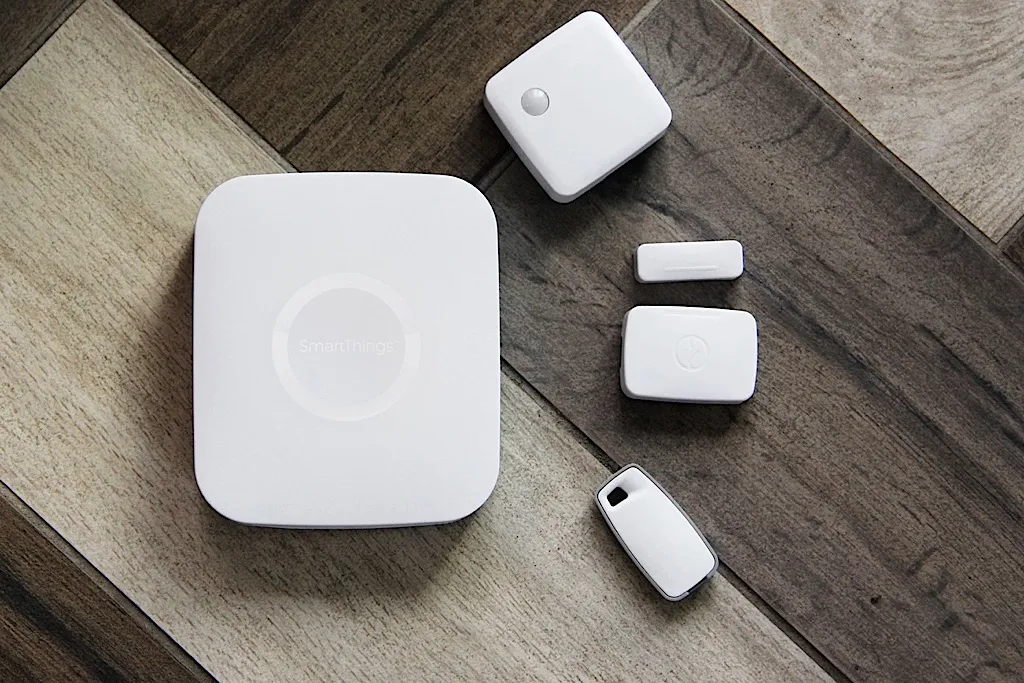

Managing energy costs and ensuring comfort in rental properties can be challenging for both landlords and tenants. Smart temperature sensors rental homes solutions offer a practical way to optimize heating and cooling, reduce utility bills, and maintain a pleasant living environment. These devices are increasingly popular in the rental market, providing real-time data and automation that benefit property owners and residents alike.
Adopting advanced monitoring tools is becoming a standard for modern rentals. Alongside temperature management, technologies like occupancy detection rental property systems help landlords optimize space usage and improve operational efficiency. Integrating these solutions can significantly enhance the value and appeal of any rental property.
How Smart Temperature Sensors Work in Rental Properties
Modern smart temperature sensors rental homes solutions use wireless technology to monitor and control indoor climate. These devices measure temperature changes in real time and communicate with thermostats, HVAC systems, or property management platforms. Many models can be accessed remotely via smartphone apps, allowing landlords and tenants to adjust settings from anywhere.
Key features include:
- Remote monitoring – View and manage temperature data from any location.
- Automated adjustments – Sensors can trigger heating or cooling based on occupancy or preset schedules.
- Energy usage insights – Detailed reports help identify inefficiencies and opportunities to save.
- Integration with smart home systems – Many sensors work seamlessly with platforms like Google Home, Amazon Alexa, or Apple HomeKit.
For property owners managing multiple units, these systems can centralize control, making it easier to maintain optimal conditions across all rentals.
Benefits of Installing Smart Temperature Sensors in Rentals
There are several compelling reasons to upgrade to intelligent temperature monitoring in rental homes:
- Lower Utility Costs: By automating climate control and preventing unnecessary heating or cooling, both landlords and tenants can see significant savings on energy bills.
- Improved Comfort: Sensors ensure rooms are always at the ideal temperature, adjusting automatically based on occupancy or time of day.
- Reduced Maintenance: Monitoring temperature fluctuations can help spot HVAC issues early, reducing costly repairs and downtime.
- Increased Property Value: Smart features are attractive to renters seeking convenience and efficiency, making properties more competitive in the market.
- Remote Access: Landlords can check and adjust settings without entering the property, respecting tenant privacy while maintaining oversight.
Combining temperature monitoring with other smart devices, such as smart noise sensors for rentals, further enhances property management and tenant satisfaction.
Choosing the Right Temperature Sensor for Your Rental
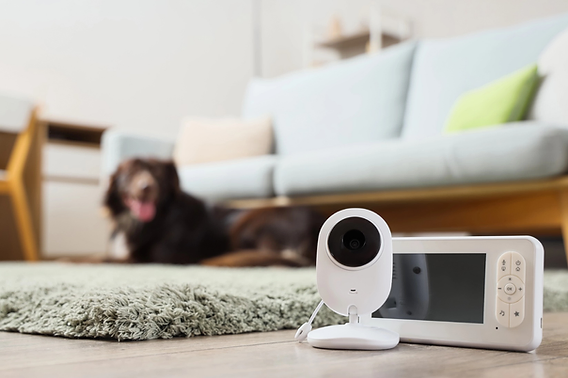
With a variety of options available, selecting the best device for your property requires careful consideration. Here are some factors to keep in mind:
- Compatibility: Ensure the sensor works with your existing thermostat or smart home system.
- Connectivity: Look for reliable wireless options (Wi-Fi, Zigbee, or Z-Wave) for easy installation and remote access.
- Battery Life: Long-lasting batteries reduce maintenance and minimize disruptions for tenants.
- Data Privacy: Choose products that prioritize secure data handling and respect tenant privacy.
- Ease of Use: Simple interfaces and clear instructions make adoption smoother for both landlords and renters.
For those managing short-term rentals or Airbnb properties, reviewing comprehensive guides like airbnb smart monitoring devices can provide additional insights into the best products for your needs.
Integrating Smart Sensors with Other Rental Technologies
Temperature monitoring is just one part of a broader ecosystem of smart solutions for rentals. Integrating multiple sensors and automation tools can deliver even greater savings and peace of mind. For example:
- Occupancy sensors can trigger temperature adjustments only when guests are present, maximizing efficiency.
- Noise sensors help prevent unauthorized parties and property damage, complementing climate control for a safer environment.
- Leak detectors and smoke alarms add layers of protection, reducing risk and insurance costs.
Combining these technologies creates a connected environment that is easier to manage and more attractive to modern renters. For more on comprehensive solutions, see vacation rental sensor systems for an overview of advanced monitoring options.
Installation and Maintenance Tips for Landlords
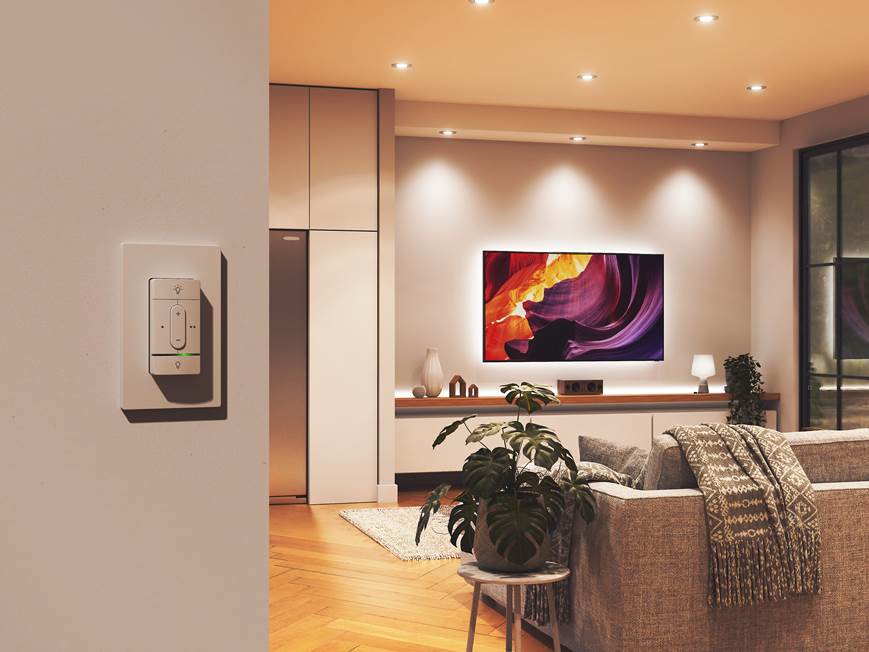
Setting up smart temperature sensors in rental homes is typically straightforward, but following best practices ensures long-term success:
- Choose optimal locations: Place sensors away from direct sunlight, vents, or appliances to ensure accurate readings.
- Test connectivity: Verify that each device maintains a strong connection to your network or hub.
- Educate tenants: Provide clear instructions on how to use and benefit from the system, including privacy information.
- Schedule regular checks: Inspect sensors during routine maintenance visits to replace batteries and confirm functionality.
- Document settings: Keep a record of device configurations for easy troubleshooting or tenant turnover.
For landlords seeking to further streamline operations, exploring the best smart sensors for rentals can reveal additional tools to improve efficiency and reduce manual oversight.
Maximizing Savings and Comfort with Smart Technology
Adopting smart temperature sensors rental homes solutions is a practical step toward reducing energy costs and enhancing tenant satisfaction. When combined with other smart devices, these sensors create a responsive environment that adapts to occupancy, weather, and tenant preferences. The result is a more sustainable, comfortable, and attractive rental property.
For those interested in learning more about how these devices fit into a broader automation strategy, resources like how smart sensors make home automation work offer valuable insights into the benefits and applications of connected technology in residential settings.
Frequently Asked Questions
Are smart temperature sensors difficult to install in rental properties?
Most modern sensors are designed for easy installation, often requiring no professional help. They typically use wireless connections and can be mounted with adhesive strips or simple screws. Always follow manufacturer instructions and consider providing tenants with a quick-start guide.
Can landlords monitor temperature without invading tenant privacy?
Yes. These sensors collect environmental data, not personal information. Landlords should be transparent about what is monitored and ensure devices are used solely for climate control and maintenance purposes, not for tracking tenant behavior.
Do smart temperature sensors really help save on utilities?
Absolutely. By automating heating and cooling based on occupancy and schedules, these devices can prevent energy waste and lower monthly bills. Over time, the savings often offset the initial investment in the technology.