
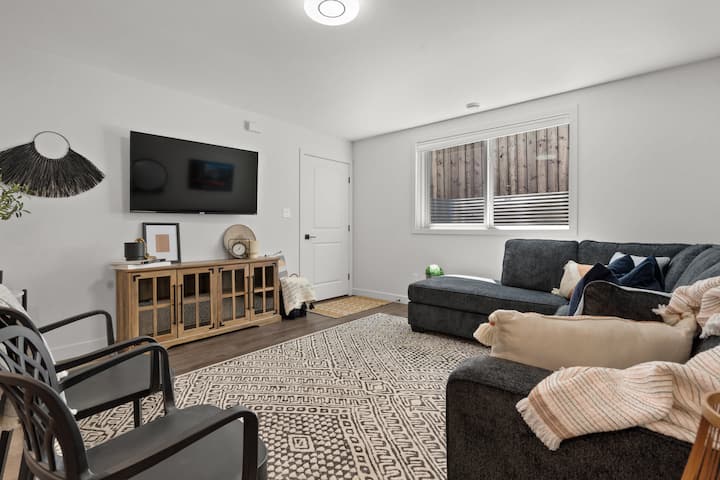

In today’s world, where renting furnished homes has become increasingly common, understanding tenant privacy laws is crucial for both landlords and tenants. These laws ensure that tenants feel safe and secure in their temporary abodes, while landlords can manage their properties effectively. In this article, we will explore the intricacies of tenant privacy laws in furnished homes, providing insight into what both parties should expect and adhere to.
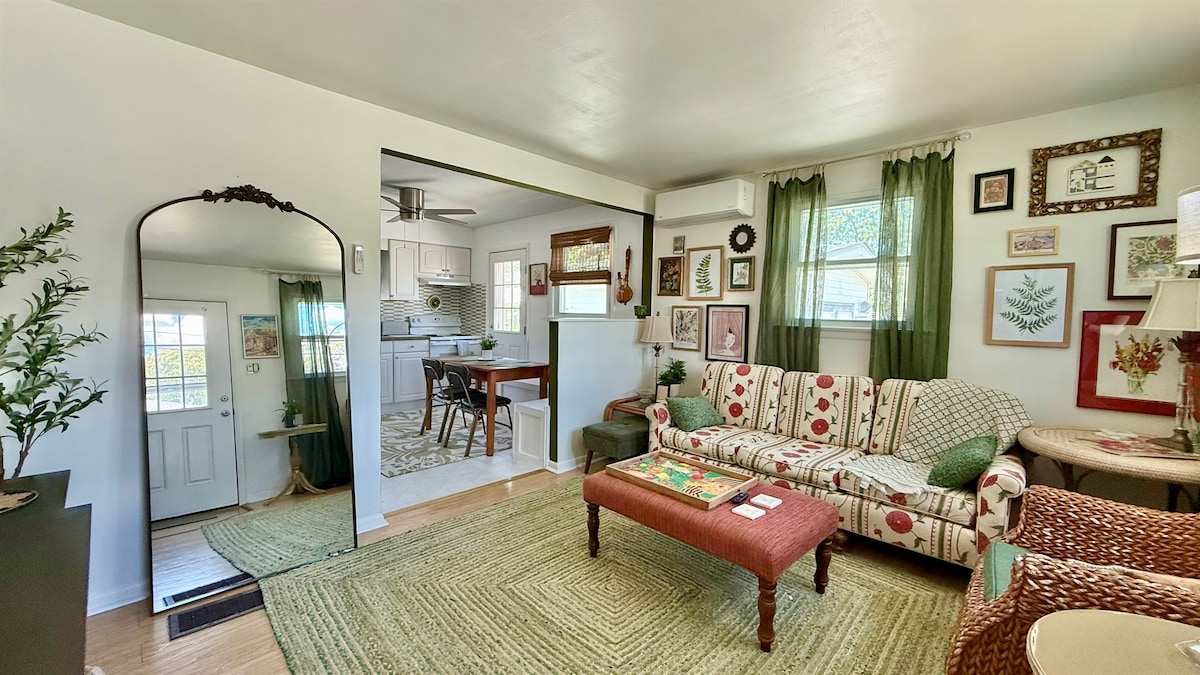
The Importance of Tenant Privacy
Privacy is a fundamental right that every individual deserves, whether they are living in their own home or renting a furnished one. For tenants, this means having a space where they can live without unwarranted intrusions from landlords or other parties. For landlords, respecting tenant privacy not only keeps them compliant with the law but also builds a trustworthy relationship with their tenants.
Landlord Entry Rights
One of the primary concerns for tenants in furnished homes is when and how landlords can enter their rented space. Laws typically require landlords to provide adequate noticeusually 24 hoursbefore entering, except in emergencies. This notice must state the reason for entry, whether it is for repairs, inspections, or to show the property to potential new tenants.
Use of Security Cameras
In furnished homes, landlords might install security cameras for property protection. However, the placement and use of these cameras are subject to strict regulations. Cameras should not invade tenant privacy by monitoring private areas like bedrooms or bathrooms. It is vital for landlords to inform tenants about any security measures in place.
Data Protection and Privacy
Data protection is an essential aspect of tenant privacy. Landlords often require personal information from tenants, such as identification documents and payment details. It is the landlord’s responsibility to handle this information with care, ensuring it is not misused or accessed without permission. Compliance with data protection laws, such as the General Data Protection Regulation (GDPR) in the European Union, is a must.
Handling Tenant Information
Landlords should ensure that tenant information is securely stored and only accessible to authorized individuals. They should also provide tenants with information on how their data is being used and stored. In case of a data breach, landlords must inform tenants promptly and take corrective action.
Tenant’s Right to Privacy
Tenants have the right to enjoy their rented space without external interference. This means landlords must not engage in activities that could be seen as intrusive, such as frequent unannounced visits or unnecessary inspections. Tenants should feel secure knowing that their privacy is respected.
Legal Recourse for Privacy Violations
If a tenant believes that their privacy rights have been violated, they have the right to seek legal recourse. This can range from filing a complaint with local housing authorities to pursuing legal action against the landlord. Tenants should document any instances of privacy violations, including dates, times, and any communications with the landlord.
Tenant-Landlord Dispute Resolution
Disputes over privacy violations can often be resolved through mediation or arbitration, offering a less confrontational approach than going to court. Both parties can present their case, and a neutral third party helps facilitate a resolution.
Know Your Rights
For tenants, understanding their rights is essential to protecting their privacy. This includes knowing what constitutes a privacy violation, such as unauthorized entries or improper handling of personal data. Resources like tenant rights organizations or legal aid societies can provide valuable guidance.
Best Practices for Landlords
Landlords can take several steps to ensure they respect tenant privacy while managing their furnished properties effectively. By adopting best practices, landlords can maintain a positive relationship with their tenants and avoid legal issues.
Clear Communication
Open and clear communication is key to avoiding misunderstandings. Landlords should inform tenants of their rights and any privacy-related policies at the start of the tenancy. Regular updates and transparent communication can help build trust.
Respecting Privacy Boundaries
Landlords should respect the privacy boundaries of their tenants by adhering to the laws governing property entry and ensuring that any surveillance measures do not infringe on tenant privacy.
Regular Policy Reviews
Regularly reviewing and updating policies related to tenant privacy ensures compliance with current laws and addresses any emerging privacy concerns. Landlords should stay informed about changes in privacy laws to avoid potential pitfalls.
Conclusion
In conclusion, tenant privacy laws in furnished homes are designed to protect the rights and well-being of tenants while allowing landlords to manage their properties effectively. By understanding and adhering to these laws, both parties can enjoy a harmonious and respectful rental experience.

FAQs
What are the rules for landlords entering a furnished home?
Landlords must provide tenants with adequate notice, usually 24 hours, before entering the property, except in emergencies. This notice should include the reason for entry.
Can landlords install security cameras in furnished homes?
Yes, but they must ensure cameras do not invade tenant privacy by monitoring private areas. Tenants should be informed about any security measures.
What should tenants do if their privacy is violated?
Tenants can seek legal recourse through local housing authorities or by pursuing legal action. Documenting violations and seeking mediation can also help resolve disputes.
For more detailed information on specific topics related to furnished rentals, you can visit the Short Rental Association website.
Additionally, landlords can refer to resources like the CIA Landlords for further guidance.