

Creating a welcoming and visually appealing environment is essential for any vacation rental, but it’s especially important when working with limited square footage. Small rentals face unique challenges: every inch counts, and first impressions can make or break a booking. With thoughtful staging, even the coziest spaces can feel open, inviting, and memorable to guests. This guide shares practical staging tips for small vacation rentals that help maximize both space and appeal, ensuring your property is notable in a crowded market.
Maximizing Space in Compact Rentals
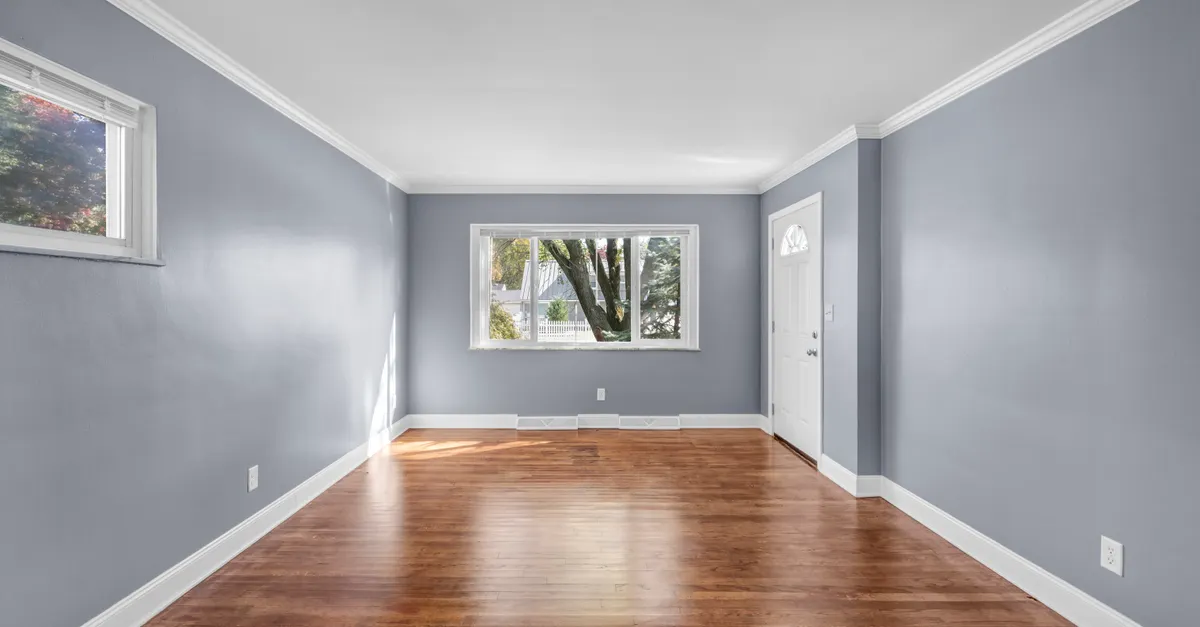
One of the most critical aspects of preparing a small vacation property is making the most of available space. The goal is to create an environment that feels larger and more functional than its actual dimensions suggest. Here are proven strategies to achieve this:
- Declutter ruthlessly: According to industry experts, decluttering and deep cleaning are among the most cost-effective ways to boost a unit’s appeal. Remove excess furniture, personal items, and anything that doesn’t serve a clear purpose. This not only opens up the floor but also helps guests imagine themselves in the space.
- Choose multi-functional furniture: Opt for pieces that serve more than one purpose, such as a sofa bed or a coffee table with storage. These items provide flexibility without crowding the room.
- Strategic furniture arrangement: Instead of pushing everything against the walls, try floating furniture to create defined zones. For example, a small rug can anchor a seating area, making it feel intentional rather than cramped.
- Utilize vertical space: Install shelves or hooks to keep essentials off counters and floors. Wall-mounted floating shelves can display decor or store books without taking up valuable square footage.
- Keep pathways clear: Ensure there’s enough space for guests to move comfortably. Avoid blocking windows or doors with large items, and maintain open walkways to enhance flow.
By focusing on these space-saving techniques, you not only make the property more functional but also more attractive in listing photos and during guest stays. For a comprehensive approach, consider referencing a property staging checklist for rentals to ensure nothing is overlooked.
The Impact of Lighting on Small Spaces
Lighting plays a pivotal role in how a rental is perceived, especially when space is limited. Proper lighting can make rooms feel larger, brighter, and more inviting. Here’s how to use lighting to your advantage:
- Maximize natural light: Whenever possible, keep windows unobstructed by heavy drapes or furniture. According to industry sources, maximizing natural light highlights a property’s best features and makes interiors appear more spacious and cheerful.
- Layer artificial lighting: Use a mix of overhead lights, floor lamps, and task lighting to eliminate dark corners. This approach ensures that every area is well-lit, which is especially important for evening arrivals or cloudy days.
- Choose light, reflective colors: Pale wall colors and reflective surfaces, such as mirrors or glass, help bounce light around the room, further enhancing the sense of openness.
- Install dimmers: Adjustable lighting allows guests to set the mood, making the space feel more comfortable and versatile.
Effective lighting not only improves the guest experience but also enhances listing photos, which are crucial for attracting bookings on platforms like Airbnb and Vrbo.
Decor Choices That Enhance Small Rentals
Decorating a small vacation rental requires a careful balance between style and simplicity. The right decor can make a compact space feel thoughtfully designed and welcoming without overwhelming it. Here are some tips for selecting decor that works:
- Stick to a cohesive color palette: Using two or three complementary colors throughout the space creates visual harmony and makes rooms feel unified and less cluttered.
- Opt for minimal, purposeful decor: Select a few statement pieces rather than filling every surface. For example, a bold piece of wall art or a set of coordinated throw pillows can add personality without taking up space.
- Incorporate mirrors: Mirrors are a classic trick for making small rooms feel larger. Place a large mirror opposite a window to reflect light and create the illusion of depth.
- Choose compact, movable accessories: Items like folding side tables or stackable stools offer flexibility and can be tucked away when not in use.
- Bring in greenery: Small potted plants or a vase of fresh flowers can add life and color, making the space feel fresh and inviting without requiring much room.
Thoughtful decor not only enhances the visual appeal but also helps guests envision themselves enjoying the space, which is a key factor in their decision to book. Staging is about creating an environment where guests can imagine their stay, ultimately increasing the property’s booking appeal.
Common Staging Mistakes and How to Avoid Them
Even with the best intentions, certain missteps can undermine your efforts to stage a small vacation rental effectively. Here are frequent pitfalls and how to sidestep them:
- Overcrowding the space: Too much furniture or decor can make rooms feel cramped. Stick to essentials and avoid the temptation to fill every corner.
- Neglecting storage solutions: Failing to provide adequate storage can lead to clutter, both in photos and during guest stays. Use baskets, shelves, and multipurpose furniture to keep things tidy.
- Ignoring the entryway: The entrance sets the tone for the entire stay. Even a small entry can benefit from a simple bench or a set of hooks for coats and bags.
- Leaving personal items visible: Remove family photos, personal toiletries, and anything that makes the space feel less neutral. Guests want to imagine the property as their own temporary home.
- Forgetting about exterior appeal: The outside of the rental is the first thing guests see. Simple landscaping, a clean doormat, or a potted plant by the door can make a big difference.
By being mindful of these common mistakes, you can ensure your staging efforts have the maximum positive impact.
Conclusion: Boosting Bookings Through Smart Staging
Effective staging is a powerful tool for small vacation rentals. By focusing on decluttering, maximizing natural light, choosing the right decor, and avoiding common mistakes, you can transform even the smallest property into a desirable retreat. These efforts not only improve the guest experience but also lead to more attractive listing photos, which are critical for filling your reservation calendar. Over time, well-staged rentals tend to see higher occupancy rates and more positive reviews, making staging a worthwhile investment for any host.
Frequently Asked Questions
What are the best staging techniques for small vacation rentals?
The most effective techniques include decluttering, using multi-functional furniture, maximizing natural light, and selecting minimal yet impactful decor. These strategies help create a spacious, inviting atmosphere that appeals to guests browsing online listings.
How does staging improve the appeal of a vacation rental?
Staging enhances both the look and feel of a property, making it easier for guests to imagine themselves enjoying the space. Well-staged rentals photograph better, stand out on booking platforms, and often receive more bookings as a result.
What are cost-effective ways to stage a small vacation rental?
Simple steps like deep cleaning, rearranging existing furniture, adding inexpensive lighting, and incorporating affordable accessories such as throw pillows or small plants can make a significant difference without a large investment.