
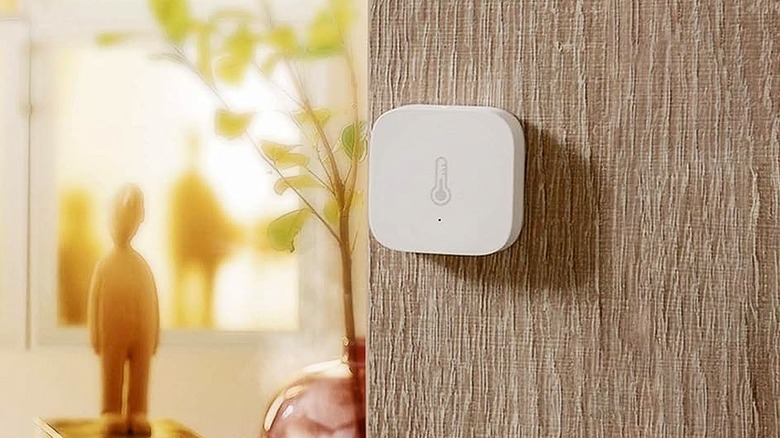

Managing rental properties has evolved rapidly with the introduction of smart alerts for rental properties. These systems provide real-time notifications about critical events, from security breaches to maintenance issues, helping landlords and property managers maintain peace of mind. With the right setup, you can monitor your property’s safety, detect potential hazards, and respond to incidents promptly—no matter where you are.
Incorporating smart technology into your rental units not only improves security but also enhances tenant satisfaction. By leveraging these tools, you can address problems before they escalate, reduce property damage, and even lower insurance costs. For those looking to optimize their rental management, exploring rental home smart tech guide resources is a great starting point to understand which solutions best fit your needs.
Why Real-Time Notifications Matter for Rental Management
Immediate alerts are a game changer for property owners. With smart monitoring, you receive instant updates about suspicious activity, water leaks, smoke, or even unauthorized occupancy. This level of awareness allows you to take action quickly, minimizing risks and protecting both your investment and your tenants.
For example, a burst pipe can cause thousands in damages if left unchecked. With a water sensor, you’ll be notified as soon as a leak is detected, enabling you to coordinate repairs before the situation worsens. Similarly, motion sensors and entry alerts can deter break-ins and provide valuable evidence if an incident occurs.
Integrating these systems with your existing property management workflow streamlines communication and reduces manual oversight. Many platforms now offer centralized dashboards, making it easy to monitor multiple units from a single interface.
Types of Smart Sensors and Alerts for Rentals
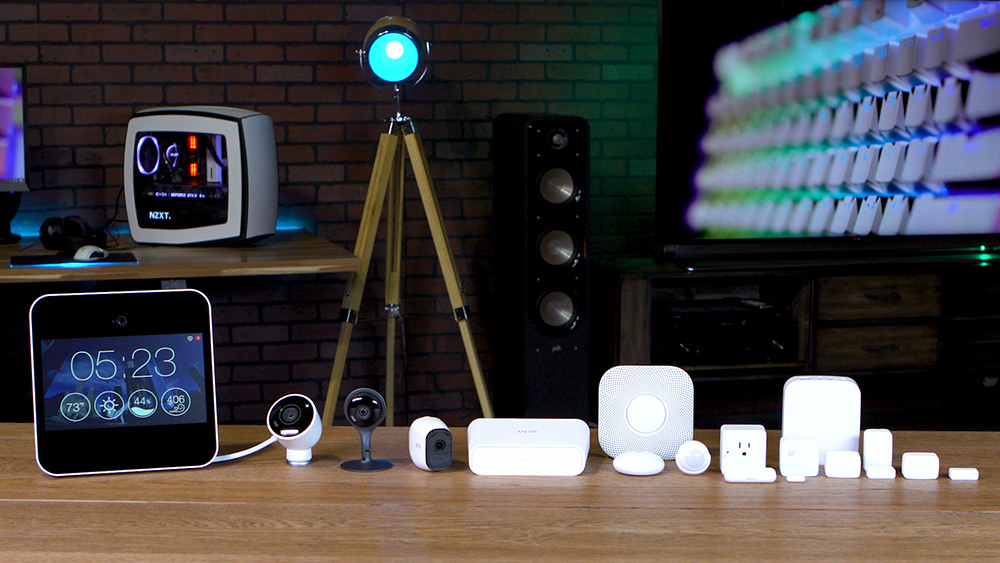
There are several categories of smart devices designed specifically for rental properties. Each serves a unique purpose, and combining them creates a comprehensive monitoring solution.
- Security Cameras and Motion Sensors: These devices detect movement, capture footage, and send alerts if unexpected activity is detected. They are essential for monitoring entry points and common areas.
- Smoke and Carbon Monoxide Detectors: Modern detectors not only sound an alarm but also send notifications to your phone, ensuring you’re aware of emergencies even when offsite.
- Water Leak Sensors: Placed near appliances or in basements, these sensors alert you to leaks or flooding, helping prevent costly water damage.
- Rodent and Pest Detectors: Smart rodent detectors can identify pest activity early, allowing for prompt intervention and reducing tenant complaints.
- Entry and Window Sensors: These sensors notify you if doors or windows are opened unexpectedly, adding an extra layer of security.
How Smart Alerts Improve Tenant Experience
Tenants increasingly expect modern amenities, and smart notification systems are becoming a sought-after feature. By providing a safer, more responsive living environment, you can attract quality renters and reduce turnover.
For instance, if a smoke detector goes off while tenants are away, both you and the residents can be notified immediately. This not only helps protect their belongings but also demonstrates your commitment to their safety. Additionally, smart sensors can help resolve disputes—such as noise complaints or unauthorized guests—by providing objective data.
Some landlords also use airbnb guest monitoring sensors to ensure compliance with occupancy rules and prevent parties or excessive noise. These tools support a positive rental experience for everyone involved.
Choosing the Right Smart Alert System for Your Property
When selecting a smart alert setup, consider the specific needs of your property. Factors such as property size, location, and tenant demographics will influence your choices. Here are some tips for making the best decision:
- Compatibility: Ensure that sensors and devices work seamlessly with your preferred property management platform or smart home hub.
- Scalability: Opt for solutions that can be expanded as your portfolio grows, allowing you to add new devices without replacing your entire system.
- Remote Access: Look for platforms that offer mobile apps or web dashboards so you can monitor your properties from anywhere.
- Reliability: Choose products from reputable brands with proven track records and strong customer support.
- Privacy: Respect tenant privacy by installing cameras only in common areas and informing tenants about any monitoring devices.
For a comprehensive overview of available options, the best IoT devices for rental properties guide offers expert recommendations tailored to landlords and property managers.
Integrating Smart Sensors with Home Automation
Modern smart alert systems can be integrated with broader home automation setups, enabling even greater control and efficiency. For example, you can configure routines that automatically shut off water when a leak is detected or turn on lights when motion is sensed at night.
To understand how these integrations work and the benefits they provide, check out this in-depth explanation of how smart sensors enable home automation. These integrations not only enhance security but also contribute to energy savings and convenience for both landlords and tenants.

Best Practices for Implementing Smart Monitoring in Rentals
To maximize the benefits of smart alerts, it’s important to follow best practices during installation and operation:
- Inform tenants about the presence and purpose of monitoring devices, and provide clear instructions on how to use them.
- Regularly test all sensors and replace batteries as needed to ensure continuous operation.
- Keep software and firmware up to date to protect against vulnerabilities and access the latest features.
- Review alert settings to avoid excessive notifications, focusing on critical events that require immediate attention.
- Document all incidents and responses to maintain a record for insurance or legal purposes.
For those managing vacation homes or remote properties, remote monitoring is especially valuable. Learn more about how to monitor your property remotely with smart sensors and keep your investment secure year-round.
Frequently Asked Questions
What are the most important smart alerts for landlords to install?
The most critical alerts typically include smoke and carbon monoxide detectors, water leak sensors, and entry or motion sensors. These devices address the most common risks to property and tenant safety, providing timely notifications that allow for rapid response.
How do smart alerts help reduce property damage?
By providing instant notifications about issues like leaks, smoke, or unauthorized entry, smart systems enable landlords to act quickly. Early intervention can prevent minor problems from becoming major repairs, saving money and reducing downtime between tenants.
Are smart monitoring devices difficult to install in rental units?
Most modern smart sensors are designed for easy installation, often requiring no more than adhesive strips or simple mounting hardware. Many devices are wireless and battery-powered, making them suitable for both new and existing properties without extensive modifications.
Can smart alert systems be integrated with existing property management tools?
Yes, many platforms offer integration with property management software, allowing landlords to monitor alerts, communicate with tenants, and manage maintenance tasks from a single dashboard. This streamlines operations and improves overall efficiency.
Conclusion
Adopting smart alerts for rental properties is a proactive step toward safeguarding your investment and enhancing tenant satisfaction. By choosing the right mix of sensors and integrating them with automation platforms, you can stay informed around the clock and respond to issues before they escalate. For further insights on implementing these technologies, explore the airbnb property monitoring system overview for enhanced safety and ease.