
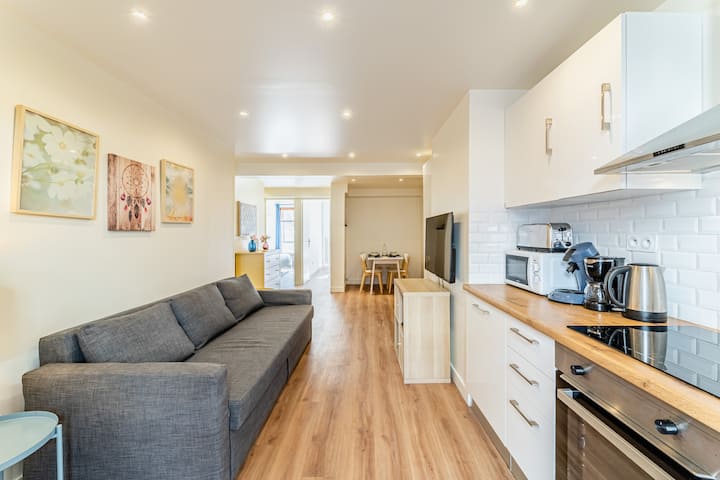

As a rental owner, you may often find yourself pondering the question: Should I furnish my rental? This is a crucial decision that can significantly impact your rental business. In the early stages of property management, understanding whether to furnish your rental can be daunting. However, with a thoughtful approach, this decision can be simplified. In this article, we will explore the various aspects of furnishing rentals to help you make an informed choice.

Understanding the Basics of Furnishing Rentals
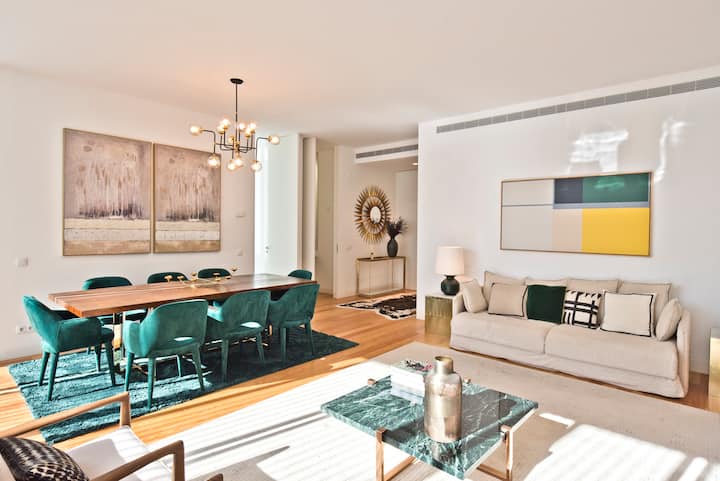
Before diving into whether you should furnish your rental, it is important to grasp the basics of what furnishing entails. Furnishing a rental property means providing essential items such as beds, sofas, tables, and appliances to your tenants. This can greatly influence the appeal and functionality of your rental space.
The Impact of Furnishing on Rental Appeal
Furnished rentals often attract a different set of tenants compared to unfurnished ones. By offering a fully furnished space, you can cater to tenants seeking convenience and ease of moving. This can be particularly appealing to short-term renters, such as business travelers or students who prefer not to invest in furniture.
Pros of Furnishing Your Rental
Furnishing your rental has several advantages that can benefit both you and your tenants. Let’s delve into some of these benefits:
Higher Rental Income
One of the primary benefits of furnishing your rental is the potential for higher rental income. Furnished properties often command higher rent due to the added convenience and comfort they offer. Tenants are often willing to pay a premium for a move-in-ready home.
Attracting Short-Term Tenants
Furnished rentals are particularly attractive to short-term tenants. This includes professionals on temporary work assignments and tourists looking for a home-like environment during their stay. By catering to this market, you can maintain a steady flow of tenants throughout the year.
Cons of Furnishing Your Rental
While there are advantages to furnishing a rental, there are also drawbacks that you need to consider:
Higher Maintenance Costs
Furnished rentals require regular maintenance and replacement of furniture and appliances. This can lead to increased costs compared to unfurnished rentals. Wear and tear are inevitable, and you must be prepared to invest in maintaining the quality of your furnishings.
Limited Tenant Flexibility
Furnished rentals may limit the tenant’s ability to personalize their living space. Some tenants prefer to bring their own furniture and may be deterred by a fully furnished property. This can reduce the pool of potential tenants for your rental.
Factors to Consider Before Furnishing
When deciding whether to furnish your rental, several factors should be taken into account:
Location and Target Market
The location of your rental plays a significant role in determining whether to furnish it. Urban areas with a high influx of short-term visitors may benefit more from furnished rentals. Understanding your target market is crucial in making the right decision.
Budget and Financial Goals
Your budget and financial goals should align with your decision to furnish. Consider the upfront costs of purchasing furniture and the potential return on investment. Weigh these against the potential for increased rental income.
Exploring Different Rental Strategies
Deciding whether to furnish your rental is not a one-size-fits-all process. Consider different rental strategies to maximize your property’s potential:
Short-Term vs. Long-Term Rentals
For more insights on choosing between short-term and long-term rentals, check out this comparison of rental types. Additionally, understanding the differences can help you tailor your furnishing decisions accordingly.
Flexible Furnishing Options
Consider offering flexible furnishing options to cater to a wider range of tenants. Offering partially furnished rentals can attract tenants who wish to add personal touches to their space while still enjoying the convenience of essential furnishings.
Conclusion
Deciding should I furnish my rental ultimately depends on your specific circumstances, goals, and target market. By carefully weighing the pros and cons and considering the factors mentioned in this article, you can make an informed decision that aligns with your rental business objectives. Remember, the key is to tailor your approach to meet the needs of your tenants while maintaining a profitable venture.
Additional Resources
For more information on enhancing your rental business, explore building guest trust with association badges or consider joining a professional association to stay informed about industry trends.
FAQ
Is furnishing a rental property worth the investment?
Furnishing a rental can be a worthwhile investment if it aligns with your target market and financial goals. Higher rental income and attracting short-term tenants can offset initial costs.
What type of tenants prefer furnished rentals?
Furnished rentals appeal to short-term tenants such as business travelers, students, and tourists who seek convenience and flexibility in their living arrangements.
Can I offer both furnished and unfurnished options?
Yes, offering both options can cater to a broader range of tenants. It allows tenants to choose based on their preferences and needs, enhancing your property’s appeal.