


Short-term rental owners face a unique challenge: how to protect their property and maintain guest privacy at the same time. Legal smart monitoring for Airbnb listings is all about striking this balance. By using non-invasive sensors, hosts can keep their rentals secure, prevent unauthorized activities, and ensure compliance with privacy laws and platform policies. This guide explores the most effective sensor options, how to use them responsibly, and what every host should know to stay on the right side of the law while protecting their investment.
Technology has made it easier than ever to monitor rental properties without crossing privacy lines. Today’s smart sensors can detect motion, noise, smoke, and even rodent activity—without recording video or audio inside guest spaces. These devices help hosts respond quickly to problems, reduce damage, and improve guest safety. However, it’s crucial to choose the right tools and use them transparently to avoid violating guest trust or Airbnb’s strict rules.
For hosts managing multiple listings or scaling up, integrating scalable rental sensor systems can streamline monitoring and provide peace of mind across an entire portfolio. Let’s look at the best options for non-invasive, privacy-respecting monitoring and how to implement them legally in your short-term rental.
Understanding Legal Smart Monitoring for Airbnb Hosts
Before installing any monitoring device, it’s essential to understand what is allowed. Airbnb and most local laws strictly prohibit cameras and audio recorders inside guest spaces. However, legal smart monitoring Airbnb solutions focus on sensors that do not capture personal data. These include:
- Motion sensors (no cameras or microphones)
- Noise level monitors (measuring decibel levels, not recording audio)
- Door/window contact sensors
- Smoke and CO detectors
- Environmental sensors (temperature, humidity, water leak)
- Rodent or pest detectors
Transparency is key. Hosts must disclose any monitoring devices in their listing description and ensure they are only placed in common areas or outside the property. Never install any device that could be perceived as intrusive in bedrooms or bathrooms.
Top Non-Invasive Sensors for Short-Term Rentals
Choosing the right sensors can help you monitor your property effectively while respecting guest privacy. Here are some of the most popular and compliant options for legal smart monitoring Airbnb hosts:
1. Noise Monitoring Devices
Noise monitors are designed to detect excessive sound levels, which can indicate parties or disturbances. These devices do not record conversations but simply alert you if noise exceeds a set threshold for a certain period. This helps prevent neighbor complaints and potential fines.
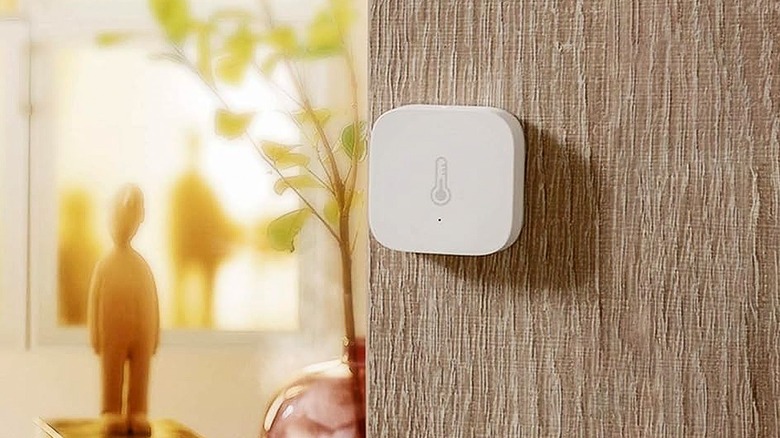
Popular brands offer features like real-time alerts, historical data, and integration with other smart home systems. These devices are typically installed in living rooms or kitchens, never in private areas.
2. Motion and Entry Sensors
Motion sensors and door/window contact sensors help you monitor when someone enters or leaves the property. These are especially useful for detecting unauthorized entry or ensuring guests respect check-in and check-out times. They do not record images or sound, making them a compliant choice for legal smart monitoring Airbnb properties.
Entry sensors can also be linked to smart locks, allowing hosts to manage access remotely. For more on this, see how Airbnb smart access control systems can simplify permissions and improve security.

3. Smoke, CO, and Environmental Sensors
Smart smoke and carbon monoxide detectors are not only legal but often required by law. These devices provide instant alerts if smoke or dangerous gases are detected, helping protect both guests and property. Many models also monitor temperature, humidity, and even water leaks, giving hosts a comprehensive view of their rental’s environment.
Installing these sensors in kitchens, hallways, and utility areas ensures safety without invading guest privacy. For hosts managing several units, property manager smart sensors can centralize alerts and simplify maintenance.
Best Practices for Compliant Smart Monitoring
To ensure your monitoring setup is both effective and legal, follow these best practices:
- Full disclosure: Clearly state all monitoring devices in your Airbnb listing and house rules.
- Respect privacy: Never install cameras or microphones inside guest spaces.
- Strategic placement: Place sensors in common areas, entryways, or outside, never in bedrooms or bathrooms.
- Choose reputable brands: Use devices designed for privacy compliance and short-term rental use.
- Stay updated: Regularly review Airbnb’s policies and local laws regarding smart monitoring.
For a deeper dive into essential smart home sensors, this guide to must-have smart home sensors covers the basics and advanced options for rental owners.
Integrating Smart Sensors With Alerts and Automation
Modern smart sensors can do more than just detect issues—they can trigger automated alerts and actions. For example, if a noise monitor detects a party, you can receive a notification and message your guests immediately. If a water leak is detected, you can shut off the main valve remotely, preventing costly damage.
Many hosts use a smart alert system for hosts to centralize notifications from multiple sensors. This allows for quick responses and better guest communication, improving overall property management efficiency.
Legal Considerations and Guest Communication
Even with non-invasive sensors, transparency is non-negotiable. Airbnb requires hosts to disclose all monitoring devices, including their location and purpose. Failing to do so can result in penalties or removal from the platform. Always update your listing and house manual to reflect any new devices.
When communicating with guests, emphasize that sensors are for safety and property protection, not surveillance. Most guests appreciate proactive safety measures when explained clearly and respectfully.
FAQ: Legal Smart Monitoring for Short-Term Rentals
Are noise monitors allowed inside Airbnb rentals?
Yes, noise monitors that measure decibel levels (without recording audio) are permitted in common areas. Always disclose their presence in your listing and avoid placing them in bedrooms or bathrooms.
Can I use cameras or video doorbells for monitoring?
Outdoor cameras and video doorbells are generally allowed, as long as they do not point inside the property or invade private spaces. Indoor cameras are strictly prohibited in guest areas.
What should I include in my Airbnb listing about smart sensors?
Clearly list every monitoring device, its location, and its purpose. For example: “Noise monitor in living room to prevent parties. No cameras or audio recording devices inside.” This transparency builds trust and ensures compliance.
How can I monitor multiple properties efficiently?
Consider using scalable rental sensor systems or centralized alert platforms to manage sensors and notifications across all your listings.
What are the consequences of not disclosing smart monitoring devices?
Failure to disclose monitoring devices can lead to negative reviews, guest complaints, removal from Airbnb, or even legal action. Always prioritize transparency and guest privacy.