
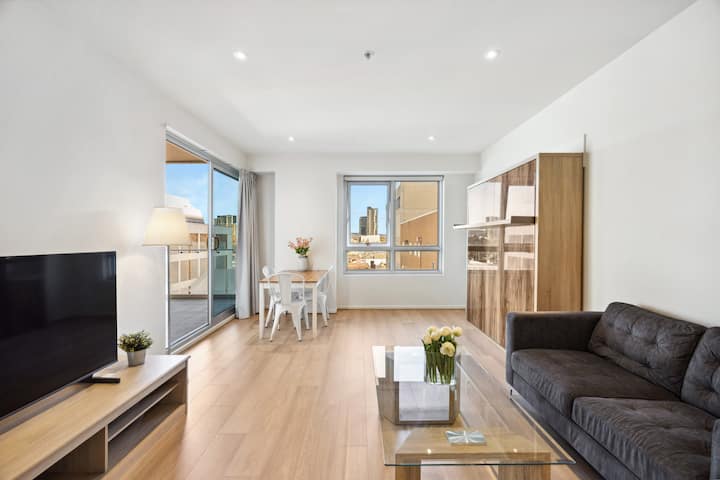

The furnished rental move-out process can be daunting for both tenants and landlords. Whether you are vacating a short-term rental or managing a property, understanding the steps involved is crucial for a smooth transition. This guide provides valuable insights into the move-out process, ensuring you leave your furnished rental in excellent condition, and helps property owners manage their properties effectively.
Understanding Your Lease Agreement
Before embarking on the move-out process, thoroughly review your lease agreement. This document outlines the specific obligations of both the tenant and the landlord. Key points to consider include the notice period required for ending the lease and any responsibilities related to cleaning and repairs.
Providing Notice of Intent to Vacate
Most rental agreements require tenants to provide written notice of their intent to vacate. This notice period typically ranges from 30 to 60 days. Ensure that you adhere to the stipulated timeframe to avoid potential penalties or complications.
Preparing for the Move-Out
Preparation is key to a successful move-out process. Start by organizing and packing your belongings well in advance. This will help reduce stress and ensure that you leave the rental in good condition.
Cleaning the Furnished Rental
Cleaning is an essential part of the furnished rental move-out process. Ensure the property is spotless to increase your chances of receiving your security deposit in full. Pay special attention to cleaning furniture, appliances, and any areas that may have accumulated dirt over time.
Conducting a Move-Out Inspection
Before handing over the keys, schedule a move-out inspection with your landlord or property manager. This inspection will help identify any damages or issues that need addressing. If there are any damages, discuss them with the landlord and agree on necessary repairs.
Documenting the Condition of the Property
Take photos and document the condition of the property before leaving. This documentation serves as evidence in case of disputes regarding the state of the rental after your departure.
Returning the Keys and Security Deposit
Once the property is in satisfactory condition, return the keys to the landlord or property manager. Discuss the return of your security deposit, ensuring that any deductions for damages or cleaning are clearly explained.
Communication with the Landlord
Maintain open and clear communication with your landlord throughout the move-out process. This helps resolve any issues promptly and ensures a smooth transition.
Tips for Landlords Managing Move-Outs
For landlords, managing the move-out process efficiently is crucial for maintaining the quality of their rental properties. Here are some tips to help landlords navigate this process:
Performing Regular Inspections
Conduct regular inspections of the property throughout the tenancy to identify any maintenance issues early on. This proactive approach ensures that the property remains in good condition and reduces potential disputes during the move-out process.
Setting Clear Expectations
Clearly communicate your expectations to tenants regarding the move-out process. Provide them with a checklist of tasks to complete before vacating the property. This checklist should include cleaning requirements and any necessary repairs.
Legal Considerations for Landlords and Tenants
Both landlords and tenants should be aware of the legal aspects of the furnished rental move-out process. Familiarize yourself with local rental laws and regulations to ensure compliance.
Understanding Security Deposit Laws
Security deposit regulations vary by location. As a landlord, ensure that you comply with these laws regarding the collection, handling, and return of security deposits. Tenants should also be aware of their rights concerning security deposits.
Addressing Disputes
In the event of disputes related to the move-out process, consider mediation as an option for resolving conflicts amicably. Mediation can help both parties reach a fair agreement without resorting to legal action.
Conclusion
The furnished rental move-out process is a crucial aspect of managing rental properties. By understanding the steps involved and maintaining clear communication, both tenants and landlords can ensure a smooth transition. Whether you’re vacating a rental or managing one, following these guidelines will help you navigate the process effectively. For more insights on rental management, visit guest policies and tenant screenings at Short Rental Association.
FAQs
What should I do if my landlord withholds my security deposit?
If your landlord withholds your security deposit without a valid reason, review your lease agreement and local rental laws. You may need to take legal action or engage in mediation to resolve the issue.
How can I ensure a smooth move-out process?
Ensure a smooth move-out process by organizing your belongings, cleaning the rental thoroughly, and maintaining open communication with your landlord. Following a checklist can also help you stay on track.
What are the landlord’s responsibilities during the move-out process?
Landlords are responsible for conducting move-out inspections, communicating expectations to tenants, and returning security deposits in compliance with local laws. Regular property inspections can help landlords manage the move-out process more effectively.