
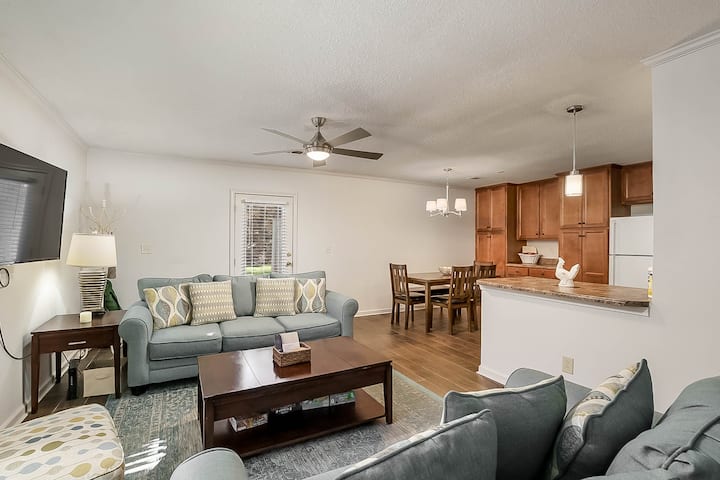

For landlords with furnished properties, finding the right pricing strategies is key to maximizing profits and attracting the right tenants. In this guide, we’ll explore various approaches to ensure your furnished rental stands out in the competitive market. Understanding these strategies not only helps in setting the right price but also enhances tenant satisfaction, ensuring long-term occupancy.
The Importance of Pricing in Furnished Rentals
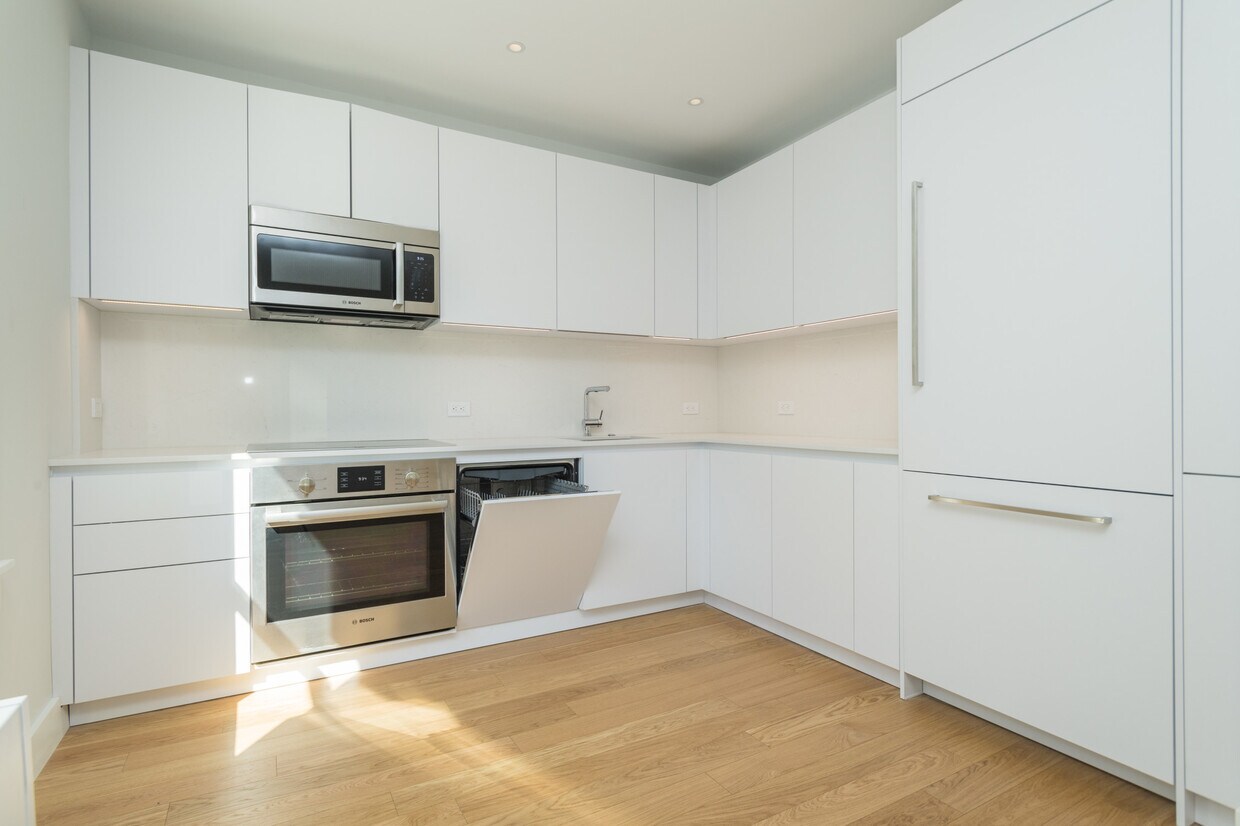
Pricing is crucial for furnished landlords because it directly impacts profitability and tenant turnover. Setting a competitive price requires understanding the unique characteristics of furnished properties, which often offer added value through amenities and convenience. The right price should reflect these benefits while remaining attractive to potential tenants.
Understanding Your Market
Research Local Rental Rates
Before setting a price, research local rental rates for similar furnished properties. This provides a benchmark and ensures your property is competitively priced. Utilize resources like local real estate websites, rental listings, and market reports to gather data.
Identify Your Target Tenant
Knowing your target tenant helps in tailoring your pricing strategy. Whether you aim to attract young professionals, families, or retirees, your price should align with their budget and expectations. Consider factors like location, amenities, and nearby facilities when identifying your ideal tenant.
Factors Influencing Pricing Decisions
Property Location
Location is a significant determinant of rental prices. Properties in prime locations, such as city centers or near popular attractions, can command higher rents. Analyze the demand in your area and adjust your pricing accordingly.
Quality and Type of Furnishings
The quality and style of furnishings in your rental can influence pricing. High-end or luxury furnishings allow for premium pricing, while more basic options may require competitive pricing. Ensure your furnishings are well-maintained and appealing to potential tenants.
Length of Lease
Consider offering flexible lease terms to attract a broader range of tenants. Short-term leases can be priced higher due to convenience, while long-term leases may offer stability and reduced vacancy rates. Adjust your pricing strategy based on the lease length you offer.
Effective Pricing Techniques
Dynamic Pricing
Dynamic pricing involves adjusting rent based on market demand and seasonality. This strategy allows landlords to capitalize on high-demand periods and adjust during slower times. Utilize pricing tools and software to automate updates and ensure competitive rates.
Bundling Utilities and Services
Bundling utilities and services, such as internet, cable, or cleaning services, into the rental price can add value and justify a higher rent. Tenants often appreciate the convenience of bundled services, making your property more appealing.
Offering Discounts and Incentives
Incentives such as the first month’s rent free or reduced security deposits can attract tenants and fill vacancies quickly. Use these strategies strategically to maintain profitability while enticing potential tenants.
Marketing Your Furnished Rental
Highlighting Unique Selling Points
Emphasize the unique features of your furnished rental in marketing materials. Highlight aspects like location, amenities, and the quality of furnishings to differentiate your property from the competition.
Using High-Quality Photos and Descriptions
Invest in professional photography and compelling property descriptions to showcase your rental’s best features. High-quality visuals attract more interest and can justify higher rental prices.
Leveraging Online Platforms
Utilize online rental platforms and social media to reach a wider audience. Platforms like Airbnb and Zillow offer exposure to potential tenants and provide tools to manage bookings and inquiries efficiently.
Monitoring and Adjusting Your Pricing Strategy
Regular Market Analysis
Conduct regular market analyses to ensure your pricing remains competitive. Monitor local rental trends and adjust your prices accordingly to maintain profitability and occupancy rates.
Feedback and Tenant Insights
Gather feedback from current and prospective tenants to understand their perceptions of your pricing. Use this information to make informed adjustments and enhance tenant satisfaction.
Utilizing Technology for Pricing Adjustments
Leverage technology, such as rental management software, to streamline your pricing strategy. These tools can automate pricing updates based on market changes, saving time and ensuring accuracy.
Conclusion
Implementing effective pricing strategies for your furnished rental can significantly impact your success as a landlord. By understanding your market, utilizing dynamic pricing, and leveraging marketing techniques, you can attract and retain tenants while maximizing your rental income. Stay proactive in monitoring trends and adjusting your strategy to keep your furnished property competitive and profitable.
FAQ
What factors should I consider when pricing my furnished rental?
Consider factors such as location, quality of furnishings, lease length, and market demand when pricing your furnished rental. Researching local rental rates and understanding your target tenant can also guide your pricing decisions.
How can I make my furnished rental more attractive to tenants?
Enhance your rental’s appeal by highlighting unique features, using high-quality photos, and offering bundled services. Consider flexible lease terms and strategically offer incentives to attract a broader range of tenants.
What is dynamic pricing, and how can it benefit my rental property?
Dynamic pricing involves adjusting rent based on market demand and seasonality. This strategy allows landlords to capitalize on high-demand periods and maintain competitive rates during slower times, optimizing rental income.