
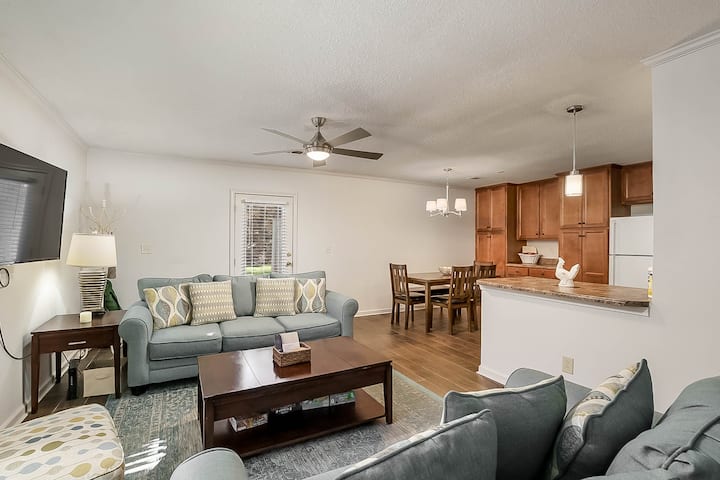

For rental property owners, understanding when a unit is considered furnished is crucial. Furnishing decisions impact everything from rental prices to tenant satisfaction and legal compliance. Whether you’re a new landlord or a seasoned property manager, recognizing the elements that define a furnished unit can enhance your rental strategy.
Defining a Furnished Unit
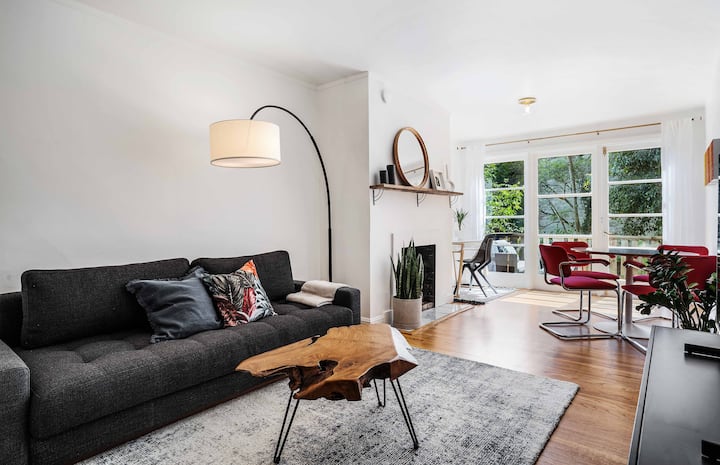
A furnished unit typically includes essential items that enable a tenant to live comfortably without needing to purchase additional furniture. This generally covers basic furniture like beds, sofas, dining tables, and chairs, as well as appliances like refrigerators and ovens.
Common Furnishings in a Rental Unit
Living Room Essentials
The living room should offer a comfortable seating arrangement, which usually includes a couch, chairs, a coffee table, and sometimes a television. These items are considered standard in a furnished living space.
Bedroom Necessities
In the bedroom, a bed with a mattress, a dresser, and nightstands are typical. Some landlords also include bed linens to ensure the unit is fully ready for occupants.
Kitchen and Dining Area
A well-equipped kitchen in a furnished unit often contains appliances such as a stove, refrigerator, microwave, and sometimes smaller appliances like toasters or coffee makers. Dining areas generally include a table and chairs, providing a complete setup for meals.
Bathroom Accessories
While not always included, some owners provide a set of towels and basic bathroom accessories such as shower curtains and bath mats to enhance the tenant’s comfort.
Advantages of Offering a Furnished Unit
Supplying a furnished rental can increase your property’s attractiveness, especially to short-term renters or business travelers. It can also justify a higher rent price due to the added convenience for tenants.
Legal Considerations and Obligations
Before deciding to furnish a unit, landlords should be aware of the legal obligations involved. Some jurisdictions have specific regulations regarding what must be included for a unit to be legally classified as furnished. It’s wise to consult local housing laws or [renting a furnished home legally](https://shortrentalassociation.org/renting-a-furnished-home-legally/) for guidance.
Financial Implications
While offering a furnished unit can lead to increased rental income, it also involves upfront costs. Budgeting is essential, and landlords may find resources like [budgeting strategies for Airbnb hosts](https://turno.com/blog/budgeting-strategies-for-airbnb-hosts/) helpful for planning expenses.
Furnished vs. Unfurnished: Making the Choice
Deciding whether to furnish a unit depends on several factors, including target market, location, and personal investment strategy. Comparing the pros and cons of furnished and unfurnished rentals can assist in making an informed decision.
Target Market Considerations
If targeting students, expatriates, or short-term renters, furnishing might be more beneficial. Conversely, long-term tenants may prefer unfurnished spaces to personalize their living environment.
Enhancing Tenant Experience
Providing furnished accommodations caters to tenants seeking convenience and immediate occupancy. It reduces the hassle of moving large items and can improve tenant turnover rates.
Marketing and Presentation
Effectively marketing a furnished unit requires showcasing its advantages. Highlighting features like stylish decor or modern appliances can attract more interest. Using strategies from [how to convert property to furnished rental](https://shortrentalassociation.org/how-to-convert-property-to-furnished-rental/) can improve your property’s appeal.
Maintenance and Upkeep
Furnished rentals require regular maintenance to keep furniture and appliances in good condition. Establishing a routine check-up schedule can prevent issues and maintain the unit’s value.
Insurance and Liability
Landlords should consider insurance that covers the furniture and appliances in their units. This can protect against unexpected damages or losses and provide peace of mind.
Conclusion
Knowing when a unit is considered furnished is vital for rental property owners aiming to maximize their investment. By understanding the components, benefits, and legalities of furnished rentals, landlords can make informed decisions that enhance their propertys value and tenant satisfaction.
FAQs
What defines a furnished unit?
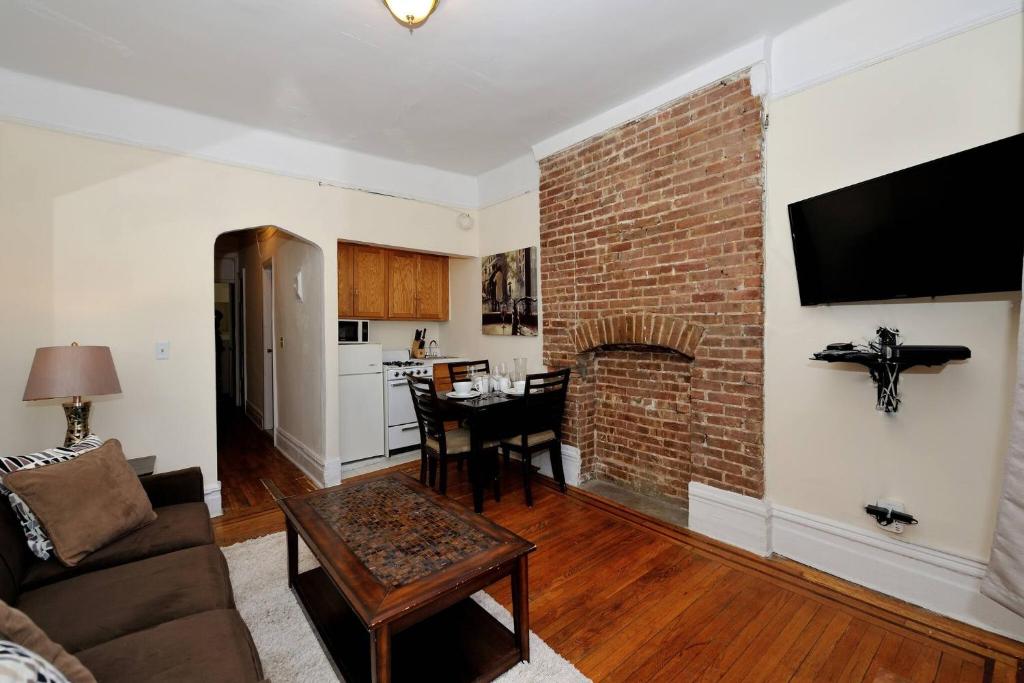
A furnished unit typically includes essential furniture and appliances needed for a tenant to live comfortably without purchasing additional items.
Can I charge more for a furnished rental?
Yes, furnished rentals generally command higher rent due to the added convenience they offer tenants.
Do furnished rentals require more maintenance?
Furnished rentals may require more maintenance to keep furniture and appliances in good condition, but regular upkeep can mitigate these concerns.