
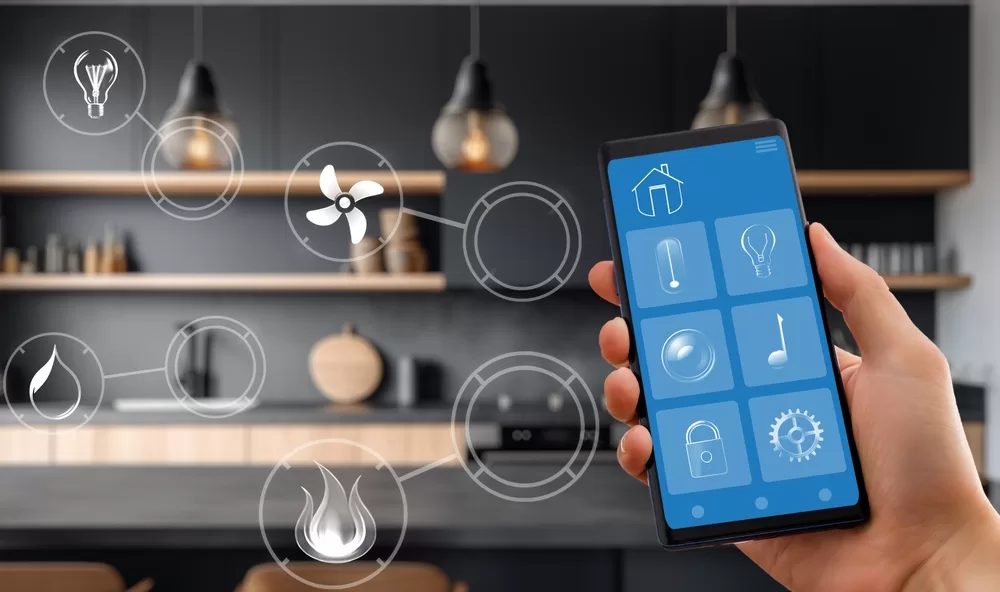

Managing smart devices in rental properties has become a necessity for many landlords and property managers. With the rise of short-term rentals and increased tenant expectations, being able to monitor home automation remotely is not just a convenience—it’s a practical way to protect your investment, ensure guest comfort, and streamline operations. This article provides a comprehensive overview of the tools, best practices, and considerations for keeping tabs on your rental’s smart technology from anywhere.
Whether you’re overseeing a single vacation property or a portfolio of rentals, remote monitoring can help you maintain security, optimize energy use, and respond quickly to issues. We’ll cover essential device types, integration strategies, and how to choose systems that fit your needs. For those interested in regulatory aspects, you may also want to explore airbnb zoning strategy for investors to ensure your automation plans align with local requirements.
Key Benefits of Remote Smart Home Monitoring
Implementing remote oversight for your property’s automation systems offers several advantages:
- Security: Receive instant alerts for unauthorized entry, smoke, or water leaks.
- Energy Efficiency: Adjust heating, cooling, and lighting to reduce utility costs between guests.
- Convenience: Grant or revoke access to smart locks without physical keys.
- Guest Experience: Remotely troubleshoot issues or adjust settings for comfort.
- Peace of Mind: Monitor your property’s status from anywhere, anytime.
Essential Devices for Remote Oversight
To effectively manage a rental’s automation system from afar, consider integrating these core devices:
- Smart Locks: Control entry and track access logs without being onsite.
- Thermostats: Adjust temperature settings and monitor HVAC performance remotely.
- Security Cameras: View live feeds and receive motion alerts.
- Leak Detectors: Get notified of water leaks before they cause major damage.
- Smart Plugs & Lights: Turn devices on or off and set schedules to simulate occupancy.
- Doorbells with Video: See who approaches your property and communicate with visitors.
Choosing the Right Platform for Remote Management
The foundation of effective remote monitoring is a reliable platform that unifies your devices. Popular options include Google Home, Amazon Alexa, Apple HomeKit, and specialized property management solutions. When selecting a platform:
- Ensure compatibility with your existing and planned devices.
- Look for mobile apps with real-time notifications and remote control features.
- Consider platforms designed for rentals, such as Rently’s smart home solutions, which offer features tailored to property managers.
- Prioritize security, including two-factor authentication and encrypted data transmission.
Integrating Remote Monitoring Into Rental Operations
For landlords and hosts, integrating remote monitoring into daily operations can streamline turnovers and improve guest satisfaction. Here’s how to make the most of your system:
- Automate Access: Use smart locks to provide temporary codes for guests and cleaners, then revoke them automatically after checkout.
- Monitor Energy Usage: Remotely adjust thermostats and lights between stays to save on utilities.
- Respond to Alerts: Set up notifications for smoke, carbon monoxide, or water leaks so you can act quickly.
- Review Camera Feeds: Check exterior cameras to verify property status without violating guest privacy.
- Schedule Maintenance: Use data from sensors to anticipate maintenance needs before they become urgent.
Privacy and Compliance Considerations
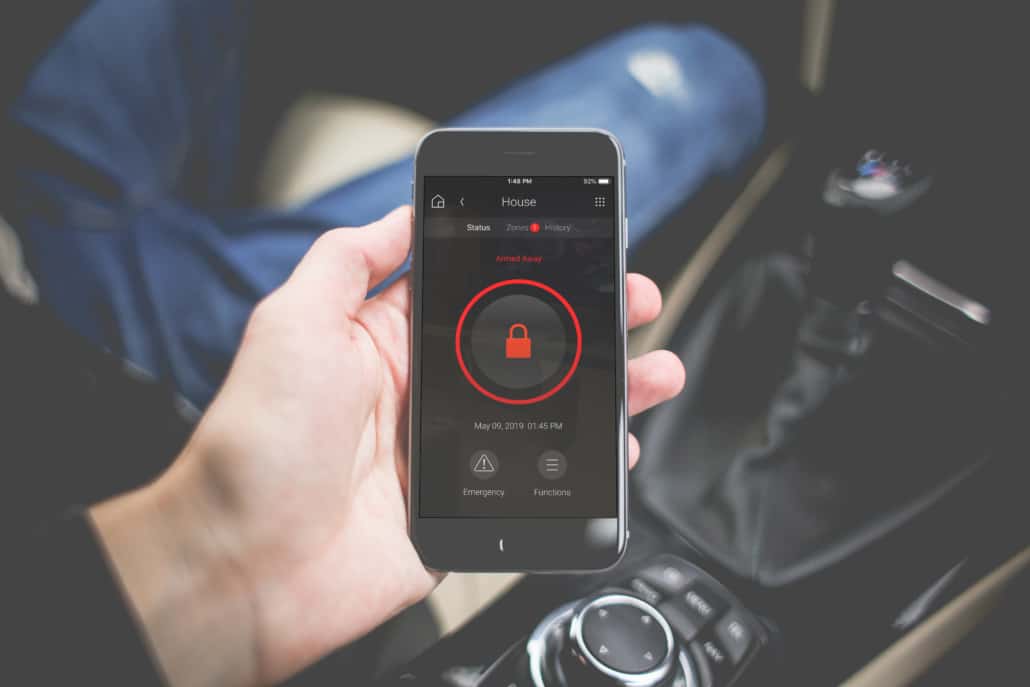
While remote monitoring offers many benefits, it’s essential to respect guest privacy and comply with local laws. Here are some best practices:
- Disclose all monitoring devices in your rental listing and guest communications.
- Install cameras only in exterior or common areas, never inside private spaces.
- Follow local regulations regarding surveillance and data collection.
- Regularly update device firmware to maintain security and privacy standards.
Staying informed about zoning and legal requirements can help you avoid costly mistakes. For more on this topic, see short term rental zoning best practices.
Tips for Reliable Remote Automation Oversight
To maximize the effectiveness of your remote monitoring setup, keep these tips in mind:
- Test Devices Regularly: Schedule routine checks to ensure all smart devices are online and functioning.
- Use Strong Passwords: Secure your accounts and devices with unique, complex passwords.
- Enable Two-Factor Authentication: Add an extra layer of security to your management apps.
- Set Up Automated Alerts: Customize notifications for critical events like low batteries or connectivity loss.
- Document Procedures: Create a guide for guests and cleaners on how to use key smart features.
FAQ: Remote Monitoring for Rental Home Automation
What is the best way to monitor smart devices in a rental property from afar?
The most effective approach is to use a unified smart home platform that supports remote access and notifications. Choose devices compatible with your chosen platform and ensure you have a reliable internet connection at the property.
Are there privacy concerns with remote monitoring in rentals?
Yes, privacy is a critical concern. Always inform guests about any monitoring devices, place cameras only in permitted areas, and comply with all relevant laws. Transparency builds trust and helps avoid legal issues.
How can I reduce energy costs using remote automation?
By remotely adjusting thermostats, lights, and appliances between stays, you can minimize unnecessary energy use. Smart thermostats and plugs are especially effective for optimizing consumption without sacrificing guest comfort.
Conclusion
Remote oversight of smart home systems is transforming how rental properties are managed. By selecting the right devices, platforms, and strategies, you can enhance security, efficiency, and guest satisfaction. Stay proactive with privacy and compliance, and leverage technology to make property management easier and more effective. For those operating in suburban or small-town markets, reviewing resources like airbnb zoning for suburban areas can further inform your approach to integrating automation in your rentals.