

Automating security cameras in rental properties can significantly enhance the safety and convenience for both landlords and tenants. By integrating smart technology, property owners can monitor their premises remotely, ensuring peace of mind and efficient management. This guide will explore various methods to automate surveillance systems, offering practical steps to implement these technologies effectively.
Before diving into the specifics, it’s essential to consider the broader implications of automating rental properties. For instance, understanding Airbnb zoning strategy for investors can provide insights into legal and regulatory aspects that might affect your automation plans.

Understanding the Basics of Camera Automation
To begin automating your security cameras, it’s crucial to understand the basic components involved. Most modern systems include cameras, a network video recorder (NVR), and a mobile app for remote access. These elements work together to provide a seamless surveillance experience.
Choosing the right equipment is the first step. Look for cameras with features like motion detection, night vision, and high-definition video quality. These features ensure that your property is monitored effectively, regardless of the time of day or lighting conditions.
Integrating Smart Technology
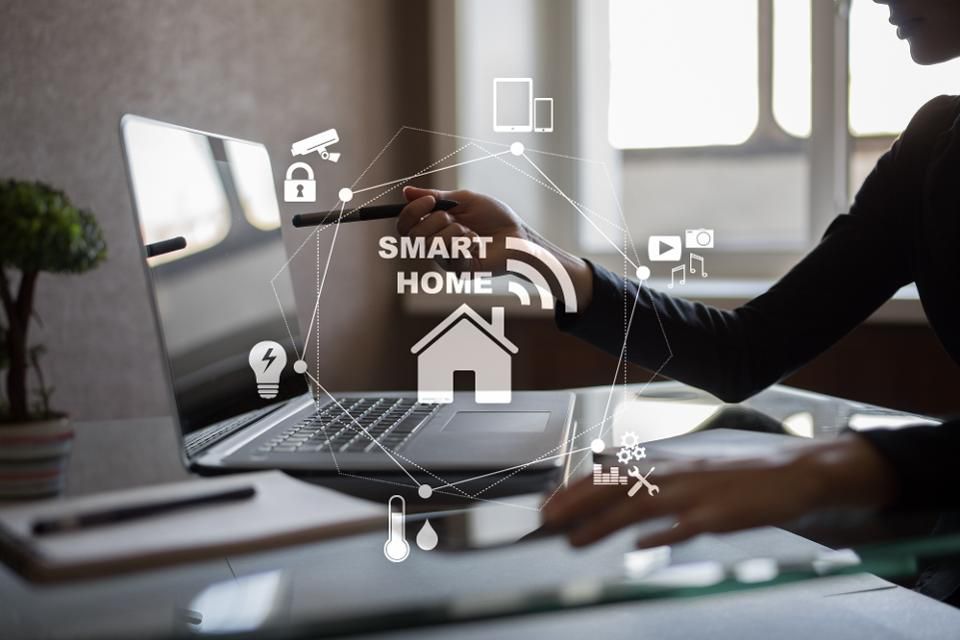
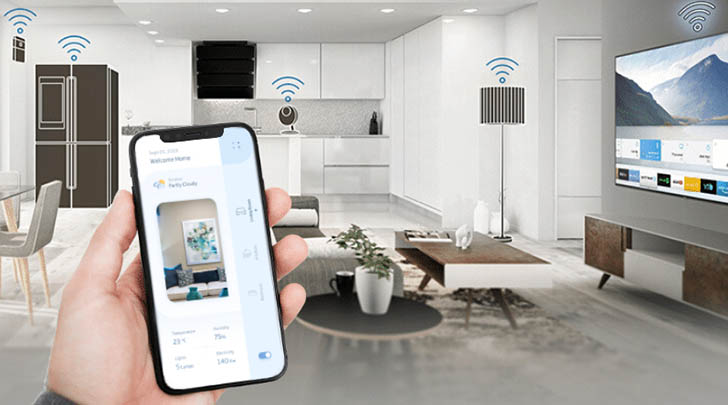
Smart technology integration is a key aspect of automating security systems. Devices such as smart locks, lights, and thermostats can be connected to your security cameras to create a comprehensive smart home ecosystem. This integration allows for enhanced control and monitoring capabilities.
For example, linking your cameras to a smart doorbell can provide real-time alerts and video feeds when someone approaches your property. Additionally, integrating with smart lighting systems can deter potential intruders by simulating occupancy when the property is vacant.
Setting Up Remote Monitoring
Remote monitoring is a significant advantage of automated security systems. By using a mobile app, landlords can view live feeds, receive alerts, and manage settings from anywhere. This capability is particularly beneficial for those managing multiple properties or living far from their rental units.
To set up remote monitoring, ensure that your cameras are connected to a reliable internet network. Most systems will require you to download a specific app, which will guide you through the setup process. Once configured, you can access your cameras’ live feeds and recordings at any time.
Ensuring Privacy and Compliance
While automation offers numerous benefits, it’s essential to consider privacy and legal compliance. Make sure to inform tenants about the presence of cameras and their purpose. Transparency helps build trust and ensures compliance with privacy laws.
Additionally, consider consulting resources like how to automate your rental property to understand the best practices and legal requirements in your area.
FAQs
What Are the Benefits of Automating Security Cameras?
Automating security cameras enhances property security, provides remote monitoring capabilities, and integrates with other smart home devices for a comprehensive security solution.
How Can I Ensure My Automated System Is Secure?
To secure your automated system, use strong passwords, enable two-factor authentication, and regularly update your software to protect against vulnerabilities.
Is It Legal to Install Security Cameras in Rental Properties?
Yes, but it’s important to comply with local privacy laws and inform tenants about the presence and purpose of the cameras to ensure transparency and trust.