

Water damage is one of the most costly and disruptive issues short-term rental hosts face. Even a small leak can escalate into a major repair, disrupt guest stays, and lead to negative reviews. For property owners, especially those managing remotely, proactive solutions are essential. Smart leak prevention for Airbnb properties offers a modern, reliable way to protect your investment and ensure a seamless guest experience.
By leveraging advanced sensors and automation, hosts can detect leaks early, shut off water automatically, and receive instant alerts—minimizing both damage and downtime. In this guide, we’ll explore how these systems work, the best devices for rental properties, and practical steps to integrate leak detection into your overall property management strategy.
Integrating leak detection is just one part of a comprehensive smart property strategy. For hosts interested in maximizing efficiency and profitability, consider exploring rental cost optimization sensors to further streamline your operations and reduce expenses.
Why Water Damage Is a Top Risk for Short-Term Rentals
Short-term rental properties are uniquely vulnerable to water issues. Guests may not notice a slow leak, or they might accidentally leave taps running. Unattended plumbing failures during vacant periods can go unnoticed for days, resulting in extensive and expensive repairs. Insurance claims for water damage are among the most common for rental properties, often leading to increased premiums and lost income during repairs.
- Hidden leaks under sinks, behind appliances, or inside walls can cause mold and structural damage.
- Frozen pipes in colder climates can burst, flooding entire rooms.
- Overflowing toilets or malfunctioning washing machines can quickly create emergencies.
Traditional leak detection methods rely on manual checks or guest reporting, which are unreliable and slow. Smart technology changes the game by providing real-time monitoring and immediate response capabilities.
How Smart Leak Sensors Work in Airbnb Properties
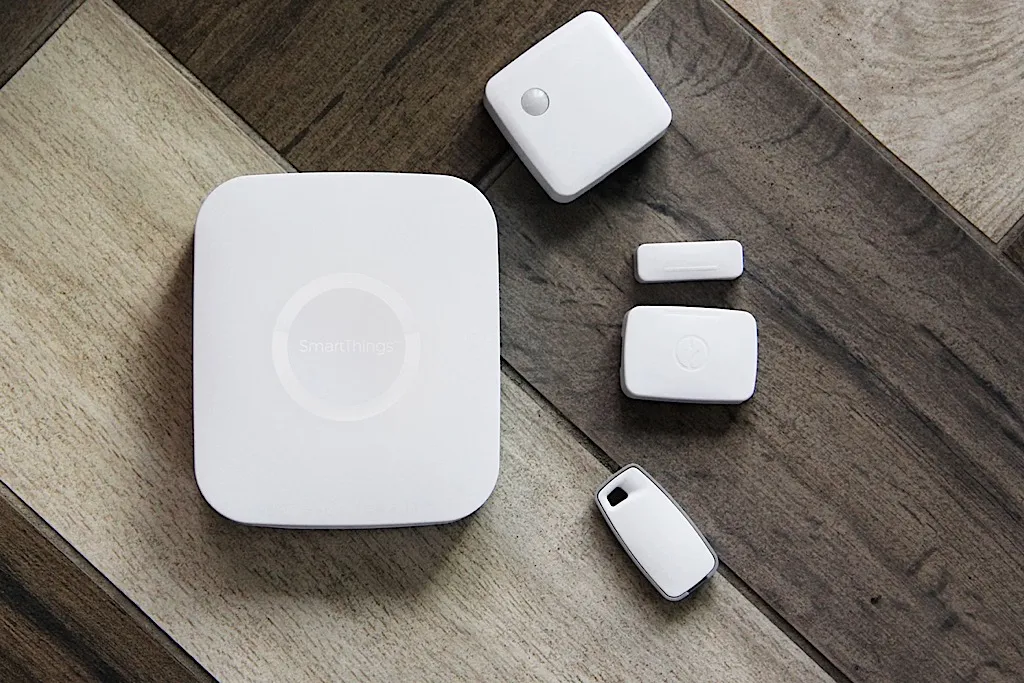
Smart leak prevention for Airbnb properties centers around connected sensors placed in high-risk areas: under sinks, near water heaters, behind toilets, and by washing machines. These sensors continuously monitor for moisture or abnormal water flow. When a leak is detected, the system can:
- Send instant alerts to your phone or property manager.
- Trigger an audible alarm to notify guests on-site.
- Automatically shut off the main water supply to prevent further damage.
Many systems integrate with broader smart home platforms, allowing you to monitor and control devices remotely. For hosts managing multiple units, a centralized dashboard can simplify oversight and maintenance.
For a deeper dive into how these technologies integrate with other smart devices, see this overview on how smart sensors make home automation work.
Choosing the Right Leak Detection System
Not all leak detection solutions are created equal. When selecting a system for your rental, consider these factors:
- Wireless connectivity: Wi-Fi or Zigbee sensors are easy to install and monitor remotely.
- Automatic shutoff: Systems that can close the main water valve offer the highest level of protection.
- Integration: Compatibility with your existing smart home hub or property management platform is essential for streamlined control.
- Battery life: Long-lasting sensors reduce maintenance and the risk of downtime.
- Alert options: Look for systems that support push notifications, email, and in-app alerts for fast response.
Some advanced systems also track water usage, helping hosts identify waste and reduce utility costs. For those interested in broader utility management, integrating with smart utility monitoring rental property tools can provide even more insights and savings.
Installation Tips for Maximum Protection
Proper placement and setup are crucial for effective leak detection. Here’s how to get started:
- Identify all water sources and appliances in your rental.
- Install sensors in areas most prone to leaks: under sinks, behind toilets, near water heaters, and by washing machines or dishwashers.
- Test each sensor after installation to ensure it triggers alerts and, if applicable, the shutoff valve.
- Schedule regular checks or set reminders to test batteries and connectivity, especially before peak booking seasons.
- Inform cleaning staff or local managers about the system so they can respond quickly if an alert sounds during a turnover.
For multi-unit hosts, consider a centralized IoT hub for rental smart devices to manage all sensors and automations from one interface.
Integrating Leak Detection with Other Smart Rental Solutions
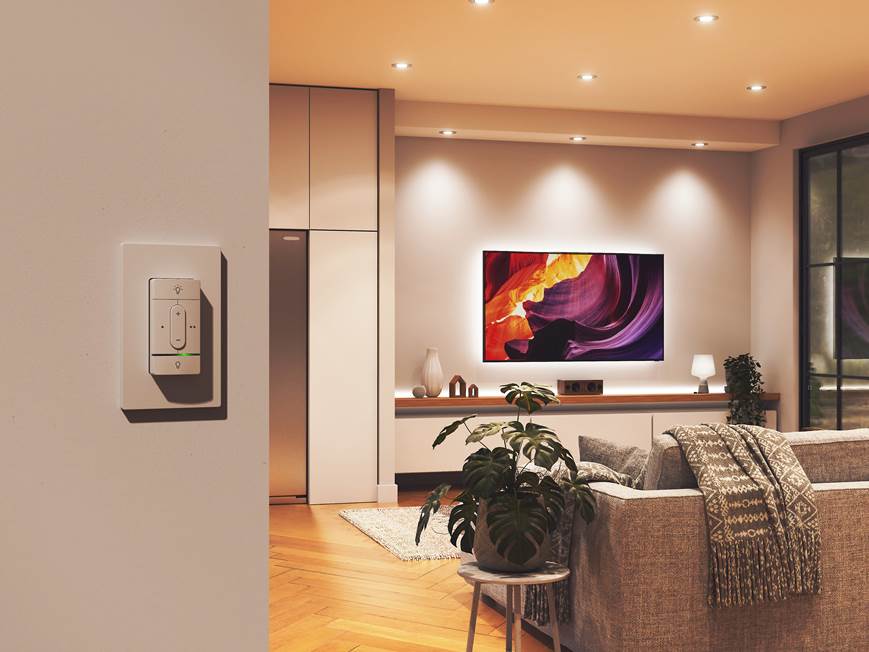
Leak prevention is most effective when combined with other smart property technologies. For example, pairing water sensors with smart energy monitoring rentals allows hosts to track both water and electricity usage, optimizing costs and sustainability. A unified sensor network can automate responses to multiple threats—such as shutting off water and alerting guests if a smoke detector is triggered.
For hosts scaling up, a smart sensor network vacation rentals approach enables centralized control, data analytics, and more robust protection across multiple properties.
Benefits of Proactive Leak Management for Airbnb Hosts
Investing in smart leak prevention airbnb solutions delivers tangible advantages:
- Reduced repair costs: Early detection means smaller, less expensive fixes.
- Minimized downtime: Fast response prevents cancellations and negative guest experiences.
- Lower insurance premiums: Many insurers offer discounts for properties with active leak detection.
- Peace of mind: Remote monitoring allows hosts to manage properties confidently from anywhere.
- Improved guest satisfaction: Well-maintained properties lead to better reviews and repeat bookings.
These systems are a smart investment for any host looking to protect their property and reputation in a competitive market.
Frequently Asked Questions
How do smart leak detectors send alerts if I’m not on-site?
Most modern leak sensors connect to Wi-Fi or a smart home hub, sending instant notifications to your smartphone or email. Some systems also offer integration with property management platforms, ensuring you or your local team can respond quickly, even if you’re managing the property remotely.
Can leak detection systems automatically shut off the water supply?
Yes, many advanced solutions include an automatic shutoff valve. When a leak is detected, the system can close the main water line, stopping the flow and preventing extensive damage. This feature is especially valuable for properties that may be vacant between guests.
Are smart leak sensors difficult to install in a rental property?
Most wireless leak detectors are designed for easy DIY installation. They typically require no special tools—just place them in high-risk areas and connect them to your Wi-Fi or smart hub. For automatic shutoff valves, you may need a plumber for installation, but ongoing maintenance is minimal.
How often should I test or replace my leak sensors?
It’s recommended to test sensors at least twice a year, ideally before peak rental seasons. Replace batteries as needed and check for firmware updates to ensure optimal performance. Some systems will alert you when maintenance is required.
By adopting smart leak prevention for Airbnb properties, hosts can safeguard their investments, reduce stress, and deliver a superior experience for every guest. Proactive technology is the key to minimizing risk and maximizing peace of mind in today’s short-term rental market.