
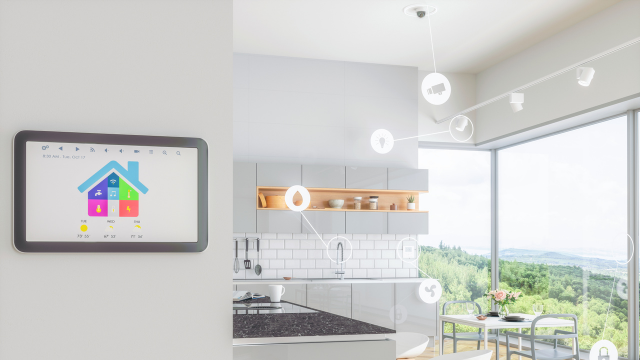

Integrating smart sensors for short term rentals has become essential for hosts seeking to improve property protection, guest experience, and operational efficiency. These devices offer real-time insights into your rental, helping you monitor safety, prevent damage, and automate routine tasks. Whether you manage a single Airbnb or multiple vacation properties, choosing the right technology can save time, reduce costs, and provide peace of mind for both you and your guests.
With the rapid evolution of smart home technology, hosts now have access to a wide range of sensors tailored for rental properties. From environmental monitoring to security and maintenance alerts, these tools are transforming how short-term rentals are managed. For those interested in a broader look at connected devices, the best IoT devices for rental properties article provides additional recommendations and insights for property owners.
Why Smart Sensors Matter for Rental Hosts
Short-term rental hosts face unique challenges, from ensuring guest safety to minimizing property damage and complying with local regulations. Smart sensors for short term rentals address these concerns by providing automated monitoring and instant alerts. The benefits include:
- Enhanced security through motion, entry, and noise detection
- Faster response to maintenance issues like leaks or smoke
- Energy savings with occupancy and climate sensors
- Better guest experience with seamless automation
- Compliance with insurance and local safety requirements
By leveraging these technologies, hosts can proactively manage risks, streamline operations, and deliver a higher standard of hospitality.
Types of Smart Sensors Every Host Should Consider
There are several categories of smart sensors that are particularly valuable for short-term rental properties. Here’s a breakdown of the most impactful options:
1. Entry and Motion Sensors
Entry sensors monitor doors and windows, alerting you to unauthorized access or forced entry. Motion sensors can detect unexpected movement when the property should be vacant. These devices help prevent break-ins and can be integrated with smart locks or security systems for added protection. For more on access control, see our guide to smart entry sensors for rental homes.
2. Noise and Occupancy Monitors
Noise sensors are designed to detect excessive sound levels, helping hosts address potential party risks or neighbor complaints. Occupancy sensors, meanwhile, can confirm guest check-in/check-out and help automate lighting or HVAC systems for energy efficiency. These tools are especially useful for maintaining house rules without invading guest privacy.
3. Environmental Sensors: Smoke, CO, and Water Leak Detectors
Protecting your property and guests from hazards is a top priority. Smart smoke and carbon monoxide detectors provide instant alerts to your phone and can be monitored remotely. Water leak sensors placed near appliances or under sinks can prevent costly damage by notifying you at the first sign of moisture. These devices are often required by insurance and local codes.
4. Rodent and Pest Detection
Rodent infestations can quickly damage your property and reputation. Smart rodent detectors use motion, vibration, or heat sensors to identify unwanted pests and send real-time notifications. Early detection allows for prompt intervention, reducing the risk of guest complaints or negative reviews.
5. Climate and Air Quality Sensors
Maintaining a comfortable and healthy environment is crucial for guest satisfaction. Climate sensors monitor temperature and humidity, while air quality sensors track pollutants or allergens. Integrating these with smart thermostats or air purifiers can automate adjustments and ensure optimal conditions throughout each stay.
How to Choose the Right Sensors for Your Rental
When selecting smart sensors for short term rentals, consider the following factors:
- Compatibility with your existing smart home platform or property management system
- Ease of installation and maintenance, especially for remote management
- Data privacy and compliance with guest consent requirements
- Reliability and battery life for uninterrupted monitoring
- Cost-effectiveness and potential insurance discounts
Look for devices that offer mobile app integration, customizable alerts, and clear data reporting. Reading reviews and consulting resources like the rental property IoT monitoring system guide can help you make informed decisions.
Integrating Smart Technology for Seamless Management
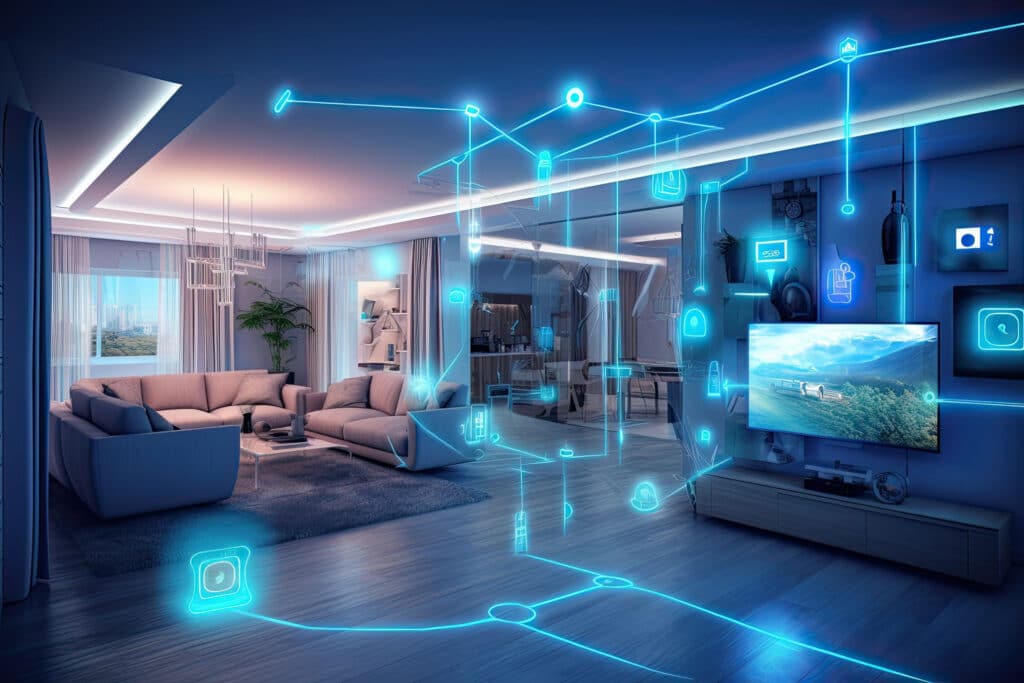
Combining multiple sensors into an integrated system can maximize efficiency and provide a holistic view of your property. Many platforms allow you to automate responses, such as shutting off water when a leak is detected or adjusting climate controls based on occupancy. For hosts managing several listings, centralized dashboards and automated alerts are invaluable for scaling operations without increasing workload.
For more comprehensive automation strategies, explore our article on smart home automation for Airbnb hosts, which covers ways to save time and money while maintaining a high standard of guest service.
Best Practices for Using Smart Sensors Responsibly
While technology offers many advantages, it’s important to respect guest privacy and comply with local laws. Always disclose the presence and purpose of any monitoring devices in your listing and house rules. Avoid placing sensors in private areas such as bedrooms or bathrooms, and use noise and occupancy sensors that do not record audio or video.
Regularly test and maintain your devices to ensure they function correctly. Keep software and firmware updated, and review alert settings to avoid unnecessary notifications. Responsible use of smart sensors can enhance trust and lead to better reviews from guests.
Additional Resources for Rental Hosts
Staying informed about the latest technology trends can help you remain competitive in the short-term rental market. For those interested in advanced safety solutions, our guide to IoT safety devices for rentals offers insights into maximizing protection for your property and guests.
To understand the broader landscape of smart home sensors and their applications, you can also refer to this in-depth overview of smart home sensors from IBM, which covers trends, benefits, and future developments in the field.
Frequently Asked Questions
What are the most important smart sensors for Airbnb hosts?
The most critical devices include entry sensors for doors and windows, smoke and carbon monoxide detectors, water leak sensors, and noise monitors. These tools help protect your property, ensure guest safety, and maintain compliance with local regulations.
Are smart sensors intrusive for guests?
When used responsibly, smart sensors are not intrusive. Hosts should always disclose their presence and avoid placing them in private areas. Devices like noise and occupancy sensors are designed to monitor conditions without recording personal data, respecting guest privacy while maintaining property standards.
Can smart sensors help reduce operating costs?
Yes, these devices can lead to significant savings by preventing costly damage, reducing energy consumption, and streamlining maintenance. Automated alerts allow for quick intervention, and some insurance providers offer discounts for properties equipped with approved safety sensors.