
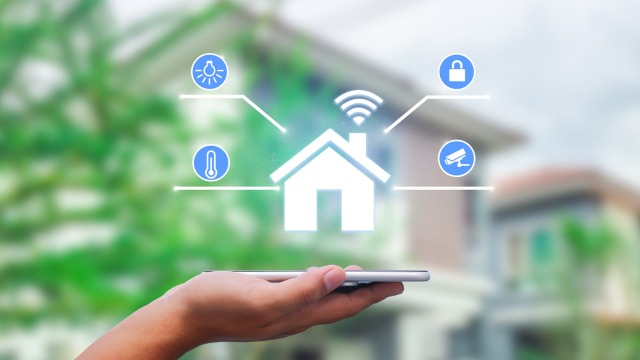

Property technology is rapidly transforming how landlords, property managers, and short-term rental hosts protect and optimize their investments. Smart sensors for rentals are at the forefront of this shift, offering real-time data, automation, and peace of mind for both owners and tenants. Whether you manage a single Airbnb or a portfolio of long-term rentals, understanding the latest sensor solutions can help you reduce risks, improve efficiency, and enhance guest satisfaction.
In this guide, we’ll break down the types of smart sensors available, their benefits, and how to implement them effectively. We’ll also cover practical tips for compliance, privacy, and maximizing your return on investment. If you’re considering upgrading your rental property with modern technology, this article will help you make informed decisions and stay ahead in a competitive market.
For those investing in short-term rentals, understanding local regulations is just as important as adopting new technology. Our airbnb zoning strategy for investors resource provides valuable insights into compliance and best practices for property owners.
Why Property Owners Are Turning to Smart Sensors
The adoption of smart sensors for rentals is driven by the need for better security, cost savings, and operational efficiency. These devices can monitor everything from temperature and humidity to motion, noise, leaks, and even air quality. By providing instant alerts and automating responses, smart sensors help property owners:
- Prevent costly damage from water leaks, smoke, or unauthorized access
- Enhance guest safety and comfort with real-time monitoring
- Reduce energy costs through intelligent climate control
- Streamline maintenance by identifying issues before they escalate
- Comply with insurance and regulatory requirements for rental properties
As more renters and guests expect smart home features, integrating these technologies can also boost your property’s appeal and rental value.
Types of Smart Sensors for Rental Properties
There is a wide range of sensor types available, each designed to address specific risks and needs in rental environments. Here are some of the most popular options:
Environmental and Safety Sensors
- Smoke and Carbon Monoxide Detectors: Essential for all rentals, these sensors provide early warnings and can be connected to alert property managers remotely.
- Water Leak Sensors: Placed near appliances, bathrooms, or basements, these detect leaks or flooding and send instant notifications to prevent major damage.
- Temperature and Humidity Sensors: Help maintain optimal living conditions and prevent issues like mold growth or frozen pipes.
Security and Access Sensors
- Door and Window Sensors: Monitor entry points for unauthorized access or open/close status.
- Motion Detectors: Useful for common areas or vacant properties to detect unexpected movement.
- Noise Monitoring Sensors: Designed for short-term rentals, these help enforce house rules and prevent parties or disturbances without recording audio.
Specialty Sensors for Rental Management
- Rodent and Pest Sensors: Smart rodent detectors can alert you to infestations before they become a major problem.
- Air Quality Monitors: Track pollutants, allergens, or smoke to ensure a healthy environment for tenants and guests.
For a comprehensive selection of sensor devices, you can explore the latest smart home sensor options from leading manufacturers.

How Smart Sensors Improve Rental Operations
Integrating smart sensors for rentals into your property management strategy offers several operational benefits:
- Remote Monitoring: Receive instant alerts on your phone or dashboard, reducing the need for on-site visits.
- Automated Maintenance: Sensors can trigger work orders or notify service providers automatically when issues are detected.
- Energy Optimization: Smart thermostats and occupancy sensors help cut utility costs by adjusting settings based on usage patterns.
- Enhanced Security: Real-time notifications about unauthorized entry or suspicious activity help protect your investment and reassure tenants.
These advantages translate to fewer emergencies, lower repair costs, and a better experience for both owners and renters.
Privacy, Compliance, and Tenant Communication
While technology offers many advantages, it’s crucial to respect tenant privacy and comply with local laws. Here’s how to ensure your use of smart sensors is both legal and ethical:
- Transparency: Always inform tenants or guests about the presence and purpose of any monitoring devices.
- Data Protection: Choose systems that encrypt data and allow you to control who has access to alerts and recordings.
- Legal Compliance: Check local regulations regarding surveillance, especially for audio or video-capable devices. Many jurisdictions have strict rules about what can be monitored in private spaces.
- Non-Intrusive Placement: Install sensors in common areas, mechanical rooms, or locations where privacy is not expected, and avoid bedrooms or bathrooms.
Clear communication and written consent are best practices when deploying any new technology in rental units.

Choosing and Installing the Right Sensors
When selecting smart sensors for rental properties, consider the following factors:
- Compatibility: Ensure the sensors integrate with your existing property management or smart home platform.
- Ease of Installation: Many sensors are wireless and battery-powered, making them easy to install without professional help.
- Reliability: Look for devices with proven track records and strong customer support.
- Scalability: Choose solutions that can grow with your portfolio, supporting multiple units or properties from a single dashboard.
- Cost: Factor in both upfront costs and ongoing subscription or maintenance fees.
Start with high-impact areas like leak detection and smoke alarms, then expand to additional sensors as your needs evolve. Many property owners find that the investment pays for itself quickly through reduced emergencies and improved tenant satisfaction.
Integrating Sensors with Rental Management Platforms
Modern property management systems often support direct integration with smart sensors, allowing for centralized monitoring and automated workflows. This integration can:
- Trigger maintenance tickets when a sensor detects a problem
- Send automated alerts to tenants or managers
- Generate reports for compliance or insurance purposes
By connecting your sensors to your management platform, you can streamline operations and ensure that no critical alert goes unnoticed.
Staying Ahead with Property Technology
The landscape of rental property management is evolving quickly. By adopting smart sensors for rentals, you not only protect your investment but also position your property as a modern, desirable option for tenants and guests. As regulations and guest expectations continue to change, staying informed and proactive with technology will help you remain competitive and compliant.
For more insights on compliance and operational best practices, our guides on short term rental zoning best practices and airbnb zoning for small towns can help you navigate the evolving landscape of rental property management.
Frequently Asked Questions
What are the most important smart sensors for rental properties?
The most critical devices include smoke and carbon monoxide detectors, water leak sensors, door/window sensors, and noise monitors. These address safety, security, and maintenance needs, offering the best protection for both property owners and tenants.
Are smart sensors allowed in all types of rental units?
Most sensors are permitted, but regulations vary by location and property type. Always check local laws, especially regarding privacy and surveillance, and inform tenants about any monitoring devices installed in the unit.
How do smart sensors help reduce operating costs?
By providing real-time alerts and automating maintenance, smart sensors can prevent costly damage, reduce emergency repairs, and optimize energy use. This leads to lower utility bills and fewer unexpected expenses for property owners.