

Automating your home’s lighting is one of the most effective ways to reduce energy consumption and lower utility bills. With the right strategies and technology, you can ensure that lights are only on when needed, minimize waste, and create a more comfortable living environment. This guide explores practical steps and smart solutions for those interested in how to automate lighting for energy efficiency, whether you’re upgrading an existing property or planning a new project.
Property owners, landlords, and short-term rental hosts are increasingly turning to smart lighting systems to boost sustainability and appeal to eco-conscious tenants. If you’re also considering broader property improvements, you may want to review the airbnb zoning strategy for investors to ensure your upgrades align with local regulations and maximize your investment.

Why Smart Lighting Matters for Energy Savings
Traditional lighting systems often lead to unnecessary energy use, especially when lights are left on in unoccupied rooms or during daylight hours. By integrating automated lighting controls, you can significantly cut down on wasted electricity. Smart lighting offers benefits such as:
- Reduced energy bills through optimized usage
- Enhanced convenience and comfort
- Increased property value and tenant appeal
- Support for sustainability goals
Automated lighting is especially valuable in rental properties, where guests may not be as mindful of energy use. For more insights on smart upgrades for rentals, check out this comprehensive guide to smart home features for rental properties.
Key Technologies for Automated Lighting
To achieve the best results, it’s important to understand the main components that make up an energy-efficient lighting automation system. Here are the most common technologies used today:
- Smart bulbs and fixtures: These LED-based lights can be controlled remotely and programmed for schedules or scenes.
- Motion and occupancy sensors: Automatically turn lights on or off based on room usage, ensuring lights aren’t left on unnecessarily.
- Daylight sensors: Adjust lighting levels in response to natural light, reducing reliance on artificial lighting during the day.
- Smart switches and dimmers: Allow manual and automated control, including dimming to save energy and set the right mood.
- Centralized control hubs: Integrate with other smart devices, enabling routines and remote management via apps or voice assistants.
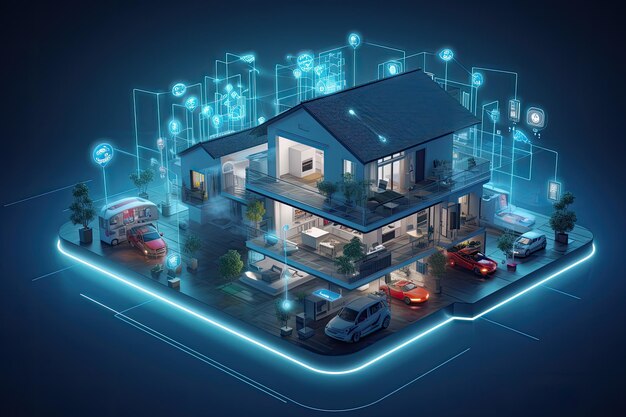
Setting Up Automated Lighting for Energy Efficiency
Implementing automated lighting doesn’t have to be complicated. Here are step-by-step actions to help you get started and maximize your energy savings:
- Assess your current lighting: Identify which areas of your property would benefit most from automation, such as hallways, bathrooms, and common spaces.
- Choose compatible smart devices: Select bulbs, switches, and sensors that work together and fit your budget. Many systems are compatible with popular platforms like Google Home or Amazon Alexa.
- Install motion and daylight sensors: Place sensors in strategic locations to ensure lights only operate when needed and adjust for natural light.
- Set up schedules and routines: Use your smart hub or app to create schedules that match your household or guest patterns. For example, set exterior lights to turn off at sunrise or interior lights to dim in the evening.
- Monitor and adjust: Regularly review energy usage data provided by your smart system and tweak settings for optimal performance.
For those managing short-term rentals, combining lighting automation with other smart upgrades can further boost efficiency and guest satisfaction. If you’re operating in suburban areas, consider learning about airbnb zoning for suburban areas to ensure compliance and maximize returns.
Advanced Tips for Smarter Lighting Control
Once the basics are in place, you can take your automated lighting system to the next level with these advanced strategies:
- Integrate with other smart devices: Link lighting with thermostats, doorbells, and security systems for seamless automation. For example, lights can turn on automatically when someone rings the doorbell.
- Utilize geofencing: Set lights to respond to your location, turning off when you leave and on when you return.
- Leverage voice control: Use voice assistants to manage lighting hands-free, making it easier to turn off lights when leaving a room.
- Monitor occupancy trends: Use data from sensors to identify patterns and further refine your automation settings.
- Regularly update firmware: Keep your devices up to date to ensure security and access to the latest energy-saving features.
Common Mistakes to Avoid When Automating Lighting
Even with the best intentions, some common pitfalls can undermine your efforts to save energy with smart lighting. Here’s what to watch out for:
- Overcomplicating the system: Too many devices or complex routines can confuse users and lead to lights being left on.
- Ignoring compatibility: Mixing incompatible brands or platforms can result in unreliable automation.
- Neglecting manual overrides: Always provide a way for users to manually control lights in case of automation errors.
- Forgetting about maintenance: Regularly check sensors and bulbs to ensure everything is functioning properly.
If you’re managing properties in smaller communities, you might also benefit from the airbnb zoning for small towns guide to ensure your automation upgrades are in line with local requirements.
FAQ
What are the best devices for automating lighting to save energy?
The most effective devices include smart LED bulbs, motion and occupancy sensors, daylight sensors, and smart switches. Combining these with a central hub or app allows for flexible control and scheduling, maximizing energy savings.
Can automated lighting systems be installed in older homes?
Yes, most smart lighting solutions are designed for easy retrofit. Wireless bulbs and plug-in sensors can be added without major electrical work. For more advanced features, smart switches may require basic installation.
How much can I expect to save by automating my lighting?
Savings vary based on usage patterns and the extent of automation. On average, automated lighting can reduce electricity costs by 10–30%, especially when combined with LED upgrades and occupancy sensors.