


Managing short-term rentals (STRs) efficiently requires accurate, real-time knowledge of when your property is occupied. Manual tracking is time-consuming and often leads to errors, missed opportunities, or compliance issues. By leveraging automation, property owners and managers can streamline their operations, reduce costs, and improve the guest experience. This article explores practical steps and technologies for automating occupancy monitoring, helping you stay ahead in the competitive STR market.
Automation not only saves time but also supports regulatory compliance and maximizes profitability. Whether you operate a single vacation rental or manage a portfolio of properties, understanding how to implement smart occupancy solutions is essential. For those interested in legal considerations and zoning, resources like airbnb zoning strategy for investors offer valuable insights.
Why Automate Guest Occupancy Monitoring?
Traditional methods of tracking check-ins and check-outs—such as spreadsheets or manual logs—are prone to mistakes and can’t provide real-time updates. Automating this process offers several advantages:
- Accuracy: Automated systems reduce human error, ensuring reliable occupancy data.
- Efficiency: Save hours each week by eliminating manual data entry and follow-ups.
- Compliance: Many municipalities require accurate occupancy records for STRs. Automation helps meet these legal requirements.
- Enhanced Guest Experience: Automated check-in and check-out notifications improve communication and convenience for guests.
- Operational Insights: Real-time data allows for better scheduling of cleaning, maintenance, and dynamic pricing.
Key Technologies for Automating Occupancy Tracking
Several tools and platforms can help automate the process of monitoring who is in your property and when. Here are the most effective options:
1. Smart Locks and Access Control
Smart locks are a cornerstone of automated occupancy tracking. By issuing unique codes to each guest or integrating with booking platforms, you can automatically log entry and exit times. Many smart locks offer integration with property management systems (PMS) and can trigger notifications or automate cleaning schedules.
2. Integrated Property Management Systems
Modern PMS platforms often include built-in occupancy tracking features. These systems sync with booking channels, update calendars in real time, and can automate guest communications. Some even integrate with smart home devices for seamless automation.
3. Smart Home Sensors and IoT Devices
Devices such as motion sensors, smart thermostats, and occupancy sensors can provide real-time data on whether a property is occupied. For example, a smart thermostat can detect when guests arrive or leave, adjusting temperatures accordingly and logging occupancy events.

Step-by-Step Guide to Setting Up Automated Occupancy Solutions
- Assess Your Needs: Consider the size of your property, number of units, and guest turnover rate. This will help you choose the right combination of smart devices and software.
- Choose Compatible Devices: Select smart locks, thermostats, or sensors that integrate with your PMS or booking platform. Look for products that offer robust APIs or direct integrations.
- Integrate with Booking Platforms: Connect your devices and PMS to your preferred booking channels (Airbnb, Vrbo, etc.) to enable real-time updates and automated code generation for guests.
- Configure Alerts and Automations: Set up notifications for check-in/check-out, unauthorized access, or extended stays. Automate cleaning schedules based on actual occupancy data.
- Test and Optimize: Run through the guest journey yourself to ensure all automations work as intended. Adjust settings based on feedback and operational needs.
Benefits of Automated Occupancy Tracking for STR Owners
Implementing automated solutions delivers tangible benefits for short-term rental operators:
- Reduced Administrative Burden: Free up time for higher-value tasks by letting technology handle routine monitoring.
- Improved Security: Know exactly when guests enter and leave, and receive alerts for unexpected activity.
- Better Compliance: Maintain accurate records for tax reporting and regulatory requirements, which is especially important in areas with strict STR laws. For more on compliance, see short term rental zoning best practices.
- Optimized Operations: Schedule cleaning and maintenance based on real-time occupancy, reducing downtime and enhancing guest satisfaction.
- Data-Driven Insights: Use occupancy analytics to adjust pricing, forecast demand, and identify trends.
Choosing the Right Tools for Your Property
Not every STR is the same, and the best automation setup depends on your unique situation. Here are some considerations when selecting tools:
- Integration: Ensure your devices and software can communicate seamlessly. Many platforms now offer direct integrations with popular smart home products.
- Scalability: If you plan to expand your portfolio, choose solutions that can grow with your business.
- Ease of Use: Look for user-friendly interfaces and reliable customer support.
- Cost: Balance upfront investment with long-term savings and operational benefits.
- Security and Privacy: Protect guest data and ensure compliance with privacy regulations.
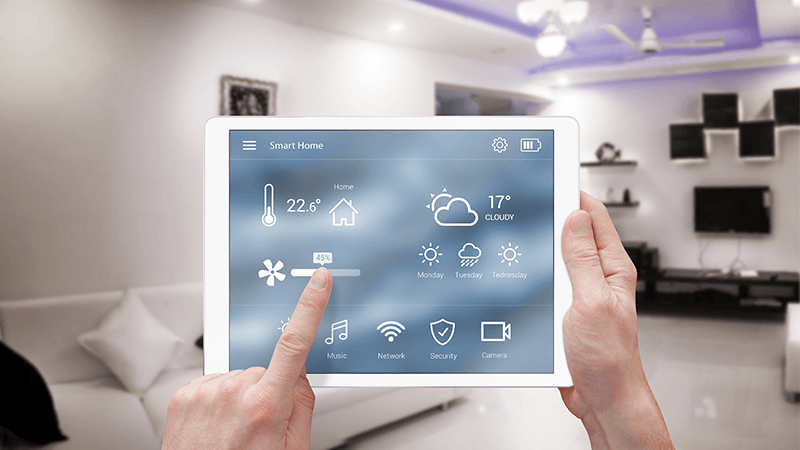
Integrating Automation with Broader STR Strategies
Automating occupancy tracking is just one piece of a successful short-term rental operation. It works best when combined with thoughtful pricing, marketing, and compliance strategies. For example, understanding local regulations is crucial—resources like airbnb zoning for suburban areas can help you navigate these requirements.
Additionally, integrating occupancy data with dynamic pricing tools can help you maximize revenue by adjusting rates based on demand and availability. Smart home automation also enhances guest satisfaction, leading to better reviews and repeat bookings.
Understanding the Role of Home Automation in STRs
The broader field of home automation is rapidly evolving, with new devices and integrations emerging regularly. For STR owners, these advancements mean more options for automating not just occupancy tracking, but also energy management, security, and guest services.
By staying informed and adopting the right technologies, you can ensure your rental stands out in a crowded market while maintaining operational efficiency and compliance.
Frequently Asked Questions
What are the most reliable devices for automated occupancy monitoring?
Smart locks with unique access codes, smart thermostats that detect presence, and occupancy sensors are among the most reliable tools. Choose devices that integrate well with your property management system for seamless automation.
How does automation help with STR compliance?
Automated systems maintain accurate records of guest stays, which can be essential for tax reporting and meeting local regulations. They also provide alerts for unauthorized occupancy, helping you avoid fines or penalties.
Can automation improve guest satisfaction?
Yes, automation streamlines check-in and check-out, provides timely communications, and ensures the property is ready for each guest. These improvements lead to better reviews and increased bookings.