
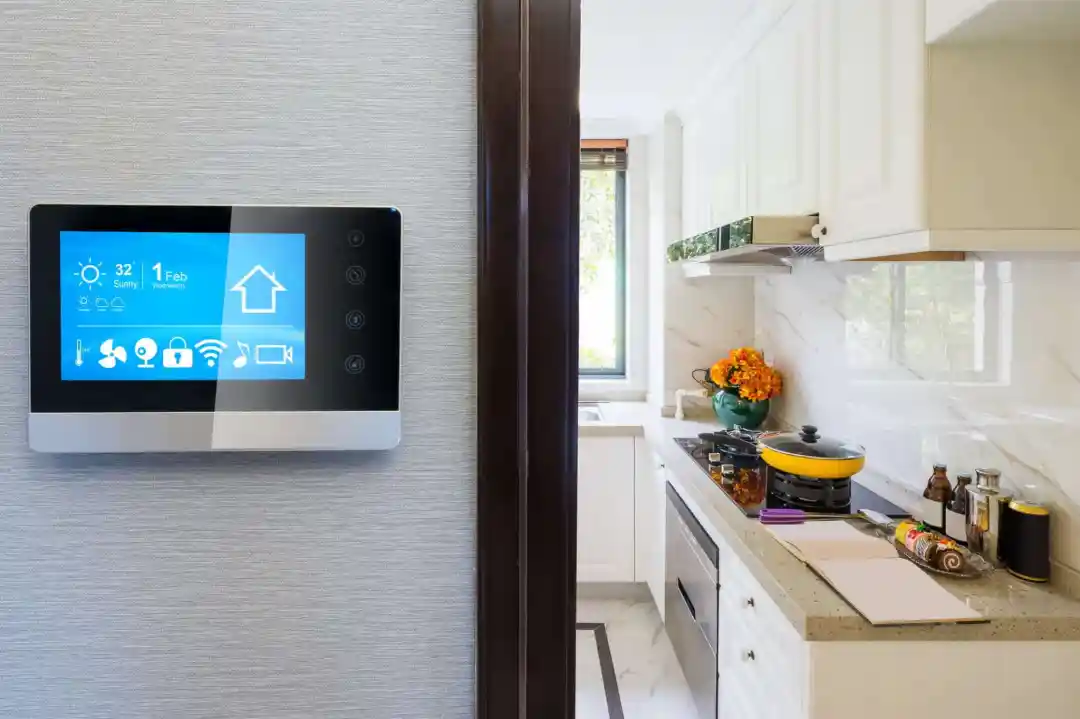

In today’s fast-paced world, enhancing the comfort of rental properties through smart technology is becoming increasingly popular. Integrating home automation for comfort not only elevates the living experience for tenants but also adds value to the property itself. Whether you’re a landlord looking to attract more tenants or a renter seeking to improve your living space, this guide provides practical tips on leveraging smart home technology to achieve a more comfortable and efficient environment.
Before diving into the specifics of smart home devices, it’s essential to consider the zoning regulations that might affect your property. For those interested in understanding more about zoning strategies, the Airbnb zoning strategy for investors offers valuable insights.
Choosing the Right Smart Devices
When it comes to selecting smart devices for your rental, it’s crucial to focus on those that offer both convenience and energy efficiency. Devices such as smart thermostats, lighting systems, and security cameras can significantly enhance the comfort and security of a rental property.
For instance, a smart thermostat allows tenants to control the temperature remotely, ensuring a comfortable environment while potentially reducing energy costs. Consider investing in devices like the Google Nest Thermostat, which offers programmable settings and energy-saving features.
Enhancing Security with Smart Technology
Security is a top priority for both landlords and tenants. Smart security systems, including video doorbells and motion sensors, provide peace of mind and an added layer of protection. These devices can be monitored remotely, allowing tenants to keep an eye on their property even when they’re away.
Installing a smart doorbell, such as the Google Nest Doorbell, can deter potential intruders and provide real-time alerts to your smartphone. This level of security is particularly appealing to renters who value safety and convenience.
Optimizing Energy Efficiency
Energy efficiency is a significant concern for both landlords and tenants, as it directly impacts utility bills. Smart home devices can play a crucial role in optimizing energy use. Smart lighting systems, for example, can be programmed to turn off when not in use, reducing unnecessary energy consumption.
Additionally, smart plugs and power strips can help manage the energy usage of appliances and electronics, ensuring they are not consuming power when not needed. Implementing these technologies can lead to substantial savings on energy bills and contribute to a more sustainable living environment.
For more detailed guidance on automating rental properties, consider exploring this comprehensive guide on rental property automation.
FAQs
What Are the Benefits of Home Automation for Renters?
Home automation offers renters increased convenience, security, and energy efficiency. Smart devices can be controlled remotely, providing flexibility and peace of mind.
How Can Landlords Benefit from Smart Home Technology?
Landlords can attract more tenants by offering properties equipped with smart technology. These features can also lead to reduced maintenance costs and increased property value.
Is It Expensive to Implement Smart Home Devices?
While there is an initial investment, the long-term savings on energy bills and the added property value can make smart home devices a cost-effective choice.