

Creating the right mood in short-term rental properties can have a significant impact on guest satisfaction, reviews, and even occupancy rates. Today’s travelers expect more than just a comfortable bed—they want memorable experiences, and lighting plays a crucial role in shaping those moments. Learning how to automate lighting for ambiance not only elevates your property’s appeal but also streamlines management for hosts and property managers.
Automated lighting solutions allow you to set the perfect scene for every occasion, from cozy evenings to energizing mornings. With the right setup, you can offer guests a seamless, welcoming environment while saving energy and reducing manual tasks. This article will walk you through the essentials of smart lighting for short-term rentals, including practical steps, recommended devices, and integration tips to help you stand out in a competitive market.

If you’re also considering compliance and investment strategies for your rental, resources like airbnb zoning strategy for investors can provide valuable insights alongside your automation upgrades.
Why Automated Lighting Matters in Short-Term Rentals
Smart lighting systems do more than just turn lights on and off. They enable hosts to create distinctive atmospheres that can be tailored to different guest preferences and times of day. Automated lighting also helps reduce energy costs, ensures lights aren’t left on unnecessarily, and can enhance security by simulating occupancy when the property is vacant.
- Guest Experience: Personalized lighting scenes can make guests feel at home and boost positive reviews.
- Operational Efficiency: Automating lighting schedules reduces manual intervention for cleaning crews and property managers.
- Energy Savings: Smart bulbs and switches can be programmed to turn off when rooms are unoccupied, lowering utility bills.
- Security: Scheduled or motion-activated lights deter intruders and make the property appear occupied.
Choosing the Right Smart Lighting Products
Selecting the right devices is the foundation of effective lighting automation. There are several options to consider, each with its own advantages:
- Smart Bulbs: These replace standard bulbs and offer features like color changing, dimming, and remote control via smartphone apps.
- Smart Switches: Installed in place of traditional wall switches, these allow you to control existing light fixtures without changing bulbs.
- Smart Plugs: Ideal for lamps and accent lighting, these plugs can be scheduled or controlled remotely.
- Sensors: Motion and occupancy sensors can trigger lights automatically when someone enters or leaves a room.
When choosing products, consider compatibility with your preferred smart home ecosystem (such as Google Home, Amazon Alexa, or Apple HomeKit) to ensure smooth integration and easy control for both you and your guests.

Setting Up Lighting Automation for Ambiance
Once you’ve selected your devices, it’s time to configure your system for optimal ambiance. Here’s a step-by-step approach to get started:
- Install Smart Devices: Replace existing bulbs or switches with smart alternatives. Follow manufacturer instructions for safe installation.
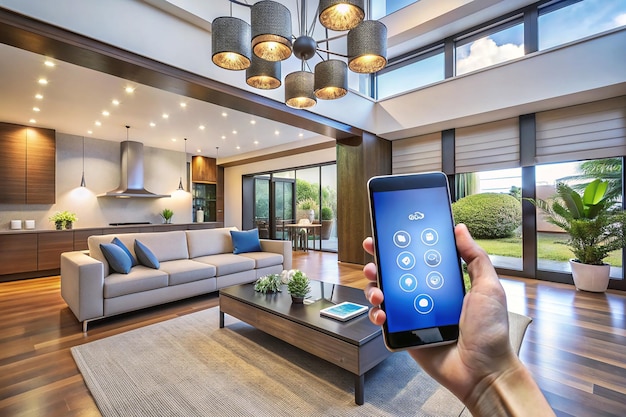
- Connect to a Hub or App: Use a central app or smart home hub to control all devices. This allows you to create scenes, schedules, and automation routines.
- Create Lighting Scenes: Set up different lighting moods for various scenarios—such as “Welcome,” “Relax,” or “Night.” Adjust brightness and color temperature to suit each scene.
- Automate Schedules: Program lights to turn on or off at specific times, or in response to triggers like sunset or guest check-in.
- Integrate Sensors: Add motion or occupancy sensors in hallways, bathrooms, or entryways to ensure lights activate only when needed.
- Enable Remote Access: Make sure you can control and monitor lighting from anywhere, giving you flexibility to adjust settings between guest stays.
For a more detailed walkthrough on automating rental properties, check out this comprehensive guide to automating your rental property.
Best Practices for Guest-Friendly Smart Lighting
To maximize the benefits of automated lighting, it’s important to prioritize ease of use for guests. Here are some practical tips:
- Keep Controls Simple: Use intuitive wall switches or provide clear instructions for app-based controls.
- Label Scenes Clearly: Name lighting scenes in a way that makes sense to guests, such as “Movie Night” or “Reading.”
- Provide Manual Overrides: Ensure guests can still use traditional switches if they prefer.
- Automate Common Areas: Focus on entryways, living rooms, and kitchens where lighting has the most impact.
- Consider Accessibility: Make sure controls are reachable and easy to understand for all guests.
Integrating Lighting Automation with Other Smart Home Features
Lighting is just one part of a comprehensive smart home experience. Integrating it with other systems—such as thermostats, security cameras, and smart locks—can further enhance convenience and security for both hosts and guests. For example, linking lighting with door sensors can trigger entryway lights when someone arrives, or combining with a smart thermostat can create a welcoming environment upon check-in.
If you’re interested in broader automation strategies, you might also explore resources on short term rental zoning best practices to ensure your property remains compliant as you upgrade your tech.
Common Challenges and Troubleshooting Tips
While automating lighting for ambiance brings many benefits, there are a few challenges to be aware of:
- Wi-Fi Connectivity: Smart devices rely on stable internet. Consider using mesh networks or Wi-Fi extenders for larger properties.
- Device Compatibility: Not all smart bulbs, switches, and hubs work together. Check compatibility before purchasing.
- Guest Confusion: Overly complex systems can frustrate guests. Provide clear instructions and keep controls straightforward.
- Maintenance: Regularly check devices for firmware updates and replace batteries in sensors as needed.
Addressing these issues proactively ensures your automated lighting system remains reliable and guest-friendly.
FAQ: Lighting Automation for Short-Term Rentals
What are the easiest ways to automate lighting in a rental property?
The simplest approach is to use smart bulbs or smart plugs that can be controlled via mobile apps or voice assistants. These require minimal installation and can be set up in minutes. For more integrated solutions, smart switches and sensors offer greater flexibility and automation options.
How can I make sure guests understand how to use automated lighting?
Provide a quick-start guide or printed instructions in your welcome binder. Label switches and scenes clearly, and consider including a QR code linking to a short video or online manual for additional help.
Does automated lighting help with energy savings?
Yes, automated lighting can significantly reduce energy consumption by ensuring lights are only on when needed. Features like scheduling, occupancy sensors, and remote control help prevent wasted electricity and lower utility bills.
Can I integrate lighting automation with other smart home devices?
Absolutely. Many smart home platforms allow you to link lighting with thermostats, security systems, and door sensors for a seamless experience. This can enhance both comfort and security for your guests.
By following these strategies, you’ll create a welcoming, efficient, and memorable environment for your guests—helping your property stand out in the competitive short-term rental market.