
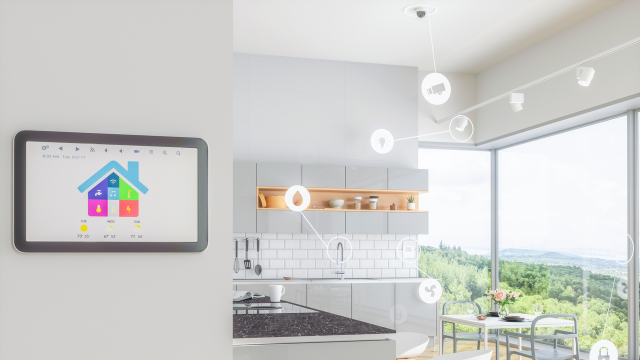

Rental property owners and managers are always looking for ways to cut expenses and improve efficiency. In today’s competitive market, cost saving smart sensors rentals have emerged as a practical solution to help reduce overheads and streamline operations. These devices offer real-time monitoring, automation, and actionable data, making it easier to manage properties, prevent costly incidents, and enhance guest satisfaction—all while keeping expenses in check.
With the rapid adoption of Internet of Things (IoT) technology, smart sensors are now more accessible and affordable than ever. Whether you manage a single vacation home or a portfolio of short-term rentals, integrating these devices can lead to significant savings on utilities, maintenance, and insurance. This article explores the types of smart sensors available, their benefits, and how to implement them effectively in your rental properties.
For hosts interested in leveraging technology even further, airbnb data monitoring tools can provide additional insights to optimize your property management strategy.
How Smart Sensors Help Reduce Rental Property Expenses
Smart sensors are compact devices that monitor environmental conditions, occupancy, or specific events in real time. By automating responses or alerting property managers to issues, these devices help prevent damage, reduce waste, and minimize manual intervention. Here are some key ways they contribute to cost savings:
- Energy Management: Sensors can detect when a property is vacant and automatically adjust heating, cooling, or lighting, reducing unnecessary energy use.
- Water Leak Detection: Early alerts for leaks or flooding can prevent expensive repairs and insurance claims.
- Smoke and CO Monitoring: Smart smoke and carbon monoxide detectors provide instant notifications, improving safety and potentially lowering insurance premiums.
- Pest Control: Rodent and insect sensors help identify infestations early, reducing extermination costs and property damage.
- Occupancy Insights: Monitoring guest presence allows for better scheduling of cleaning and maintenance, avoiding wasted labor and resources.
By integrating these devices, property managers can shift from reactive to proactive maintenance, catching small issues before they escalate into major expenses.
Types of Cost-Saving Sensors for Rental Properties
A wide range of smart sensors is available for rental properties, each targeting specific areas of savings and efficiency. Below are some of the most impactful options for landlords and hosts.
- Temperature and Humidity Sensors: These devices help maintain optimal indoor conditions, preventing mold growth and reducing HVAC costs by adjusting climate controls based on occupancy and weather.
- Leak and Flood Sensors: Placed near water heaters, under sinks, or in basements, these sensors send alerts at the first sign of moisture, allowing for quick intervention.
- Smart Smoke and CO Detectors: Modern detectors not only sound alarms but also send notifications to your phone, ensuring you can act quickly even when offsite.
- Rodent and Pest Detectors: Early detection of pests can save thousands in remediation and protect your property’s reputation.
- Occupancy and Motion Sensors: These sensors automate lighting, HVAC, and security systems based on guest presence, reducing wasted energy and enhancing safety.
For more on how connected devices can transform property management, explore iot insights for vacation rentals for data-driven strategies.
Implementing Smart Sensors for Maximum Savings
To get the most value from cost saving smart sensors rentals solutions, a strategic approach is essential. Here are practical steps to ensure a smooth and effective rollout:
- Assess Your Property’s Needs: Identify high-risk areas—such as basements, kitchens, or attics—where leaks, temperature fluctuations, or pests are most likely to occur.
- Choose Compatible Devices: Select sensors that integrate with your existing property management systems or smart home platforms. Interoperability is key for seamless automation.
- Install and Test: Follow manufacturer guidelines for placement and connectivity. Test each sensor to ensure it triggers alerts and automations as intended.
- Monitor and Maintain: Regularly check device batteries, connectivity, and software updates to maintain reliability and accuracy.
- Leverage Data: Use the insights provided by your sensors to adjust maintenance schedules, utility settings, and guest policies for ongoing savings.
For hosts managing multiple units, smart rental dashboards hosts can centralize sensor data, making it easier to monitor and act on alerts across your portfolio.
Benefits Beyond Cost Reduction
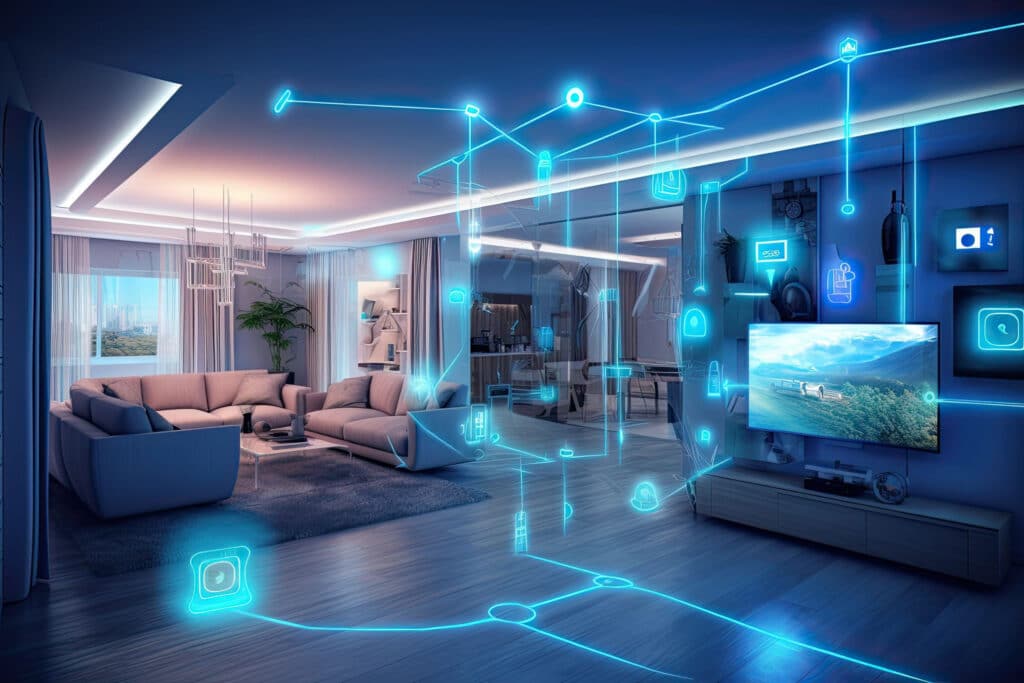
While the primary motivation for installing smart sensors is to save money, these devices offer several additional advantages for rental property owners and managers:
- Enhanced Guest Experience: Automated climate control, improved safety, and quick response to issues lead to better reviews and repeat bookings.
- Risk Mitigation: Early detection of hazards such as smoke, leaks, or pests reduces liability and protects your investment.
- Data-Driven Decisions: Access to real-time and historical data allows for smarter budgeting and operational planning.
- Regulatory Compliance: Some jurisdictions require advanced smoke or CO detectors; smart devices help ensure you stay compliant.
For a deeper dive into how sensor data can improve your understanding of guest behavior, see smart occupancy analytics rentals.
Choosing the Right Smart Sensors for Your Rentals
Selecting the best devices for your property depends on your unique needs, budget, and existing infrastructure. Here are some tips to guide your decision:
- Prioritize High-Impact Areas: Start with sensors that address your biggest risks or expenses, such as water leaks or energy waste.
- Look for Integration: Devices that work with your property management software or smart home hub offer more value through automation and centralized control.
- Consider Reliability and Support: Choose reputable brands with good customer support and regular software updates.
- Review Insurance Discounts: Some insurers offer premium reductions for properties equipped with certain types of smart sensors.
For more information on the technology behind these devices, learn about smart home sensors and their applications from industry experts.
Integrating Sensors with Property Management Workflows
To maximize efficiency, integrate your smart sensors with your daily operations. Many modern property management platforms allow you to connect sensor data directly, triggering automated workflows such as scheduling maintenance or notifying cleaning staff. This integration reduces manual oversight and ensures that issues are addressed promptly.
For those interested in expanding their use of technology, property performance sensors can provide even more granular insights into the health and efficiency of your rental units.
Frequently Asked Questions
What types of smart sensors offer the greatest savings for rental properties?
Leak detectors, smart thermostats, smoke and CO alarms, and occupancy sensors typically provide the most significant cost savings by preventing damage, reducing utility bills, and automating property management tasks.
Are smart sensors difficult to install and maintain?
Most modern smart sensors are designed for easy installation, often requiring only basic tools and a Wi-Fi connection. Maintenance usually involves periodic battery changes and occasional software updates.
Can smart sensors help with insurance premiums?
Yes, many insurance providers offer discounts for properties equipped with advanced safety sensors, such as smoke, CO, and leak detectors, as they reduce the risk of costly claims.
How do I know which sensors are compatible with my property management system?
Check the documentation for both your sensors and property management platform for integration options. Many devices support common standards like Zigbee, Z-Wave, or Wi-Fi, making them compatible with a wide range of systems.
Is it worth investing in smart sensors for a single rental unit?
Even for single-unit owners, the prevention of a single major incident—such as a water leak or fire—can justify the investment in smart sensors by avoiding significant repair costs and lost rental income.