
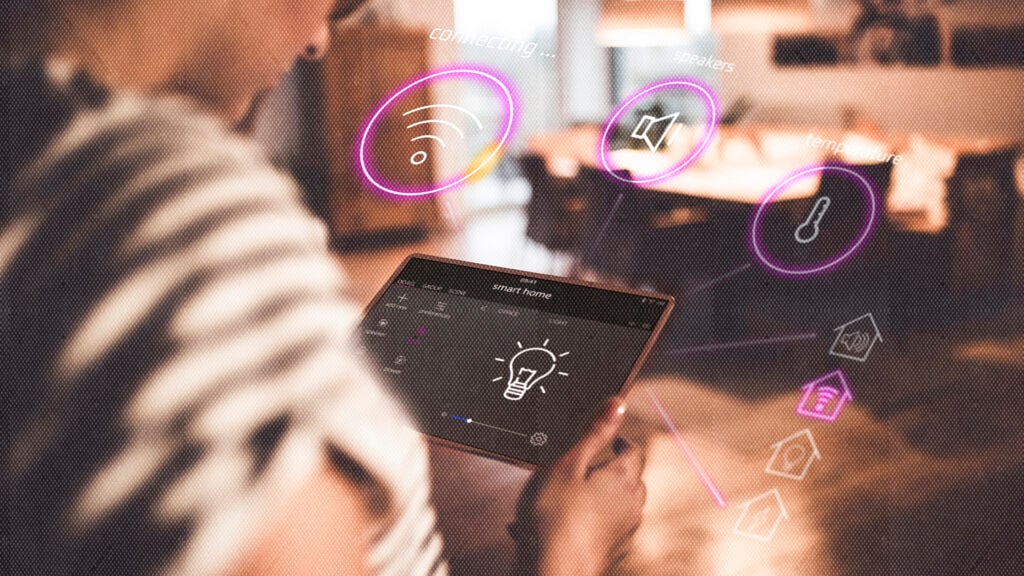

Short-term rental hosts face increasing expectations to provide safe, secure, and regulation-compliant accommodations. As the industry matures, guests and platforms alike demand higher standards for privacy, safety, and property protection. Airbnb safety tech sensors have emerged as essential tools for property owners and managers, helping to monitor, detect, and respond to risks while maintaining guest trust and meeting local requirements.
This guide explores the latest sensor technologies designed for short-term rentals, how they support compliance and peace of mind, and practical steps for integrating them into your property. We’ll also highlight how these solutions work alongside other smart home devices and platforms, and where to find reliable products for your rental business.
For hosts looking to further enhance their guest screening process, integrating smart guest verification sensors can add another layer of security and streamline booking management. These technologies, when used together, create a robust ecosystem for safe and efficient hosting.
Why Modern Rentals Need Advanced Sensor Technology
Short-term rental properties are subject to unique risks, from unauthorized parties to fire hazards and environmental threats. Traditional security measures like locks and cameras have limitations, especially when it comes to respecting guest privacy and complying with platform rules. This is where advanced safety sensors come into play:
- Privacy-first monitoring: Sensors can detect noise, smoke, motion, or occupancy without recording images or audio, aligning with Airbnb’s privacy standards.
- Regulatory compliance: Many cities require hosts to install smoke detectors, carbon monoxide alarms, and other safety devices. Tech-enabled sensors help meet these mandates and provide digital records for inspections.
- Real-time alerts: Modern sensors can send instant notifications to hosts or property managers, enabling rapid response to incidents and minimizing damage or liability.
- Guest reassurance: Visible safety measures increase guest confidence, leading to better reviews and repeat bookings.
Types of Airbnb Safety Tech Sensors for Rentals
There is a wide range of sensor solutions available, each designed to address specific risks in short-term rental environments. Here are the most common types and their benefits:
Noise and Occupancy Sensors
Noise monitoring devices detect excessive sound levels, helping to prevent parties and disturbances that could violate house rules or local ordinances. These sensors do not record conversations, ensuring guest privacy. Occupancy sensors can identify if the number of guests exceeds the booking, alerting hosts to potential violations or unauthorized events.
Smoke, Carbon Monoxide, and Environmental Sensors
Smart smoke and CO detectors are now standard in many rentals. These devices go beyond traditional alarms by sending alerts to your phone or management platform, so you can respond even when offsite. Additional environmental sensors can detect humidity, temperature, and even water leaks, helping to prevent costly damage and ensure guest comfort.
Motion and Entry Sensors
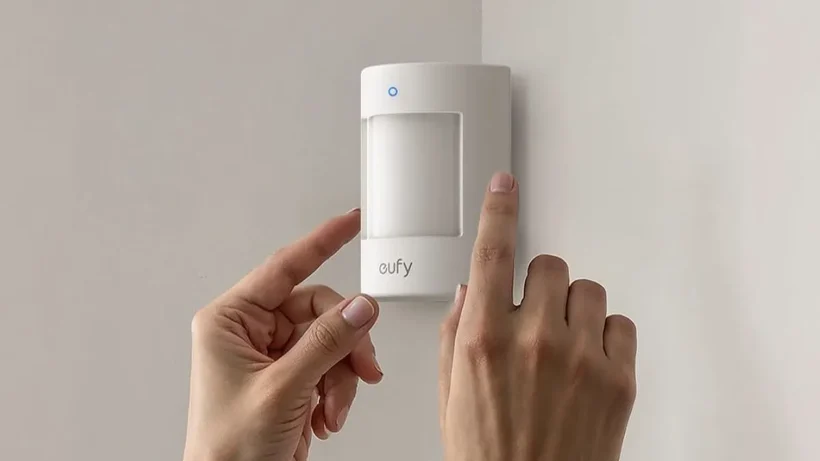
Entry sensors on doors and windows can notify hosts of unauthorized access or tampering. Motion sensors, when placed in common areas (never bedrooms or bathrooms), add another layer of security. These devices can be integrated with smart locks and alarm systems for automated responses.
Integrating Safety Sensors with Smart Rental Platforms
Today’s airbnb safety tech sensors are designed to work seamlessly with other smart home devices and rental management platforms. For example, integrating your safety sensors with a smart home rental ecosystem allows you to centralize monitoring, automate alerts, and manage compliance from a single dashboard.
Many platforms also offer mobile apps for real-time notifications. For hosts who want instant updates on safety events, using a smart alerts mobile app for rentals ensures you never miss a critical incident, no matter where you are.

Choosing the Right Sensors for Your Property
When selecting safety technology for your rental, consider the following factors:
- Local regulations: Check city and platform requirements for smoke, CO, and other mandatory alarms.
- Property layout: Larger homes may need multiple sensors for full coverage. Identify high-risk areas such as kitchens, basements, and entry points.
- Integration needs: Choose devices that work with your existing smart home setup or property management system for easier monitoring.
- Guest privacy: Always install sensors in compliance with Airbnb’s privacy guidelines. Avoid placing any monitoring devices in private spaces.
- Ease of use: Opt for sensors with simple installation, reliable connectivity, and user-friendly apps.
For a detailed breakdown of sensor types and their applications, visit this comprehensive guide to choosing sensors for smart properties.
Best Practices for Sensor Installation and Compliance
To maximize the benefits of your rental safety sensors and avoid guest complaints or regulatory issues, follow these best practices:
- Disclose sensor locations: Clearly state in your listing where sensors are installed and their purpose. Transparency builds trust and avoids misunderstandings.
- Test devices regularly: Check batteries, connectivity, and alert functions before each guest stay.
- Respect privacy: Never install cameras or audio recorders in private areas. Use only approved sensor types in bedrooms and bathrooms.
- Document compliance: Keep records of sensor installation and maintenance for inspections or guest inquiries.
- Integrate with automation: Consider connecting your sensors to a rental automation sensor platform for centralized control and reporting.
Benefits for Hosts and Guests
Deploying the right safety technology delivers tangible benefits for everyone involved:
- Hosts: Reduce liability, prevent property damage, and streamline compliance with local laws and platform rules.
- Guests: Enjoy greater peace of mind knowing that the property is equipped with modern safety features and real-time monitoring.
- Communities: Minimize nuisance events and support responsible hosting, helping to maintain good relationships with neighbors and regulators.
FAQ: Airbnb Safety Sensor Technology
Are noise and occupancy sensors allowed in short-term rentals?
Yes, these sensors are permitted as long as they do not record audio or video and are not placed in private spaces. Always disclose their presence in your listing to comply with platform policies and local regulations.
How do smart smoke and CO detectors differ from traditional alarms?
Smart detectors provide remote alerts, integration with mobile apps, and maintenance reminders. This allows hosts to respond quickly to emergencies, even when offsite, and helps ensure compliance with safety requirements.
What should I consider when installing safety sensors in my rental?
Prioritize guest privacy, comply with all relevant laws, and choose devices that integrate with your property management system. Regularly test and maintain all sensors to ensure they function correctly for every guest stay.
Can safety sensors be integrated with other smart home devices?
Absolutely. Many modern sensors are designed to work with smart locks, lighting, and automation platforms, allowing for centralized control and enhanced security throughout your property.