
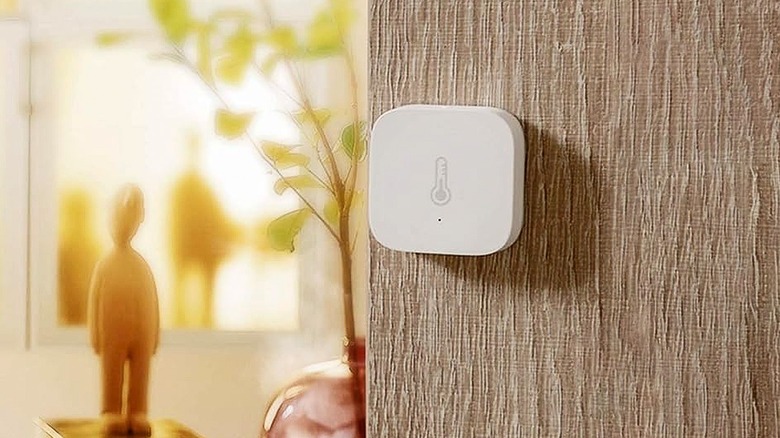

The rapid evolution of smart sensors for property management is transforming how property owners and managers monitor, secure, and maintain their assets. These intelligent devices provide real-time data, automate routine tasks, and help prevent costly issues before they escalate. As the demand for efficient, scalable, and proactive property oversight grows, integrating smart technology is no longer optional—it’s a competitive necessity.
From temperature and humidity monitoring to motion detection and access control, smart sensors offer a wide range of solutions tailored for residential, commercial, and short-term rental properties. By leveraging these tools, managers can reduce manual checks, enhance tenant safety, and streamline maintenance workflows. For those overseeing multiple units or expanding portfolios, adopting scalable rental sensor systems ensures long-term flexibility and cost-effectiveness.
Why Smart Sensors Are Revolutionizing Property Oversight
Traditional property management often relies on manual inspections and reactive maintenance. This approach can lead to missed issues, delayed responses, and increased operational costs. In contrast, smart sensors for property management provide continuous, automated monitoring. They instantly alert managers to anomalies—such as leaks, unauthorized entry, or environmental hazards—enabling swift intervention and minimizing damage.
Key benefits of integrating smart sensors include:
- Proactive Maintenance: Early detection of water leaks, smoke, or abnormal temperature fluctuations reduces repair costs and downtime.
- Enhanced Security: Motion detectors, door/window sensors, and surveillance cameras deter intruders and provide evidence in case of incidents.
- Operational Efficiency: Automated alerts and data-driven insights streamline workflows, saving time and resources.
- Tenant Satisfaction: Prompt responses to issues and improved safety foster trust and retention.
To maximize these advantages, it’s important to select the right mix of sensors based on property type, size, and specific risks.
Types of Smart Sensors Every Property Manager Should Consider
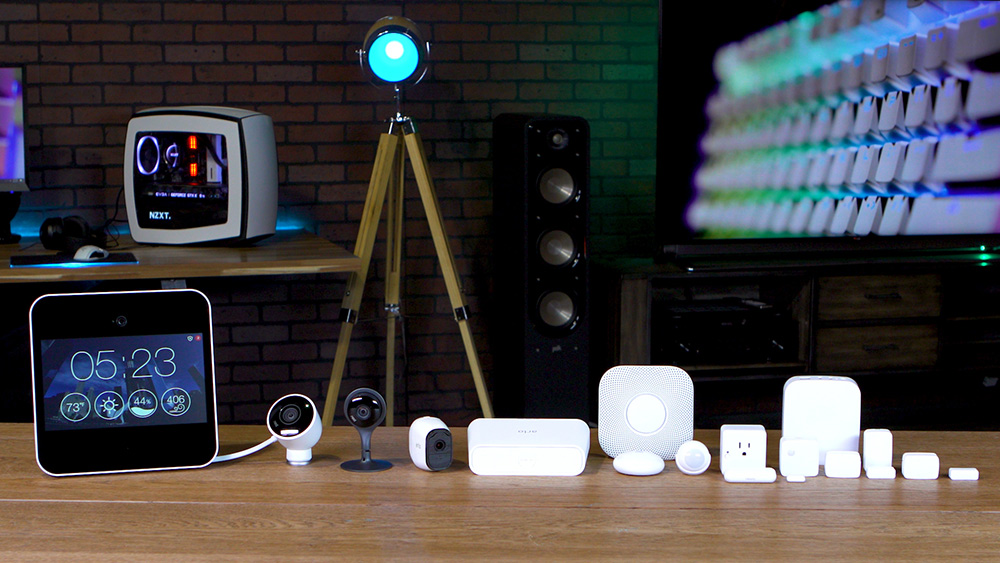
A comprehensive automation strategy involves deploying a variety of sensor types. Here are the most impactful categories for modern property management:
Environmental Monitoring Devices
Sensors that track temperature, humidity, and air quality are crucial for maintaining healthy indoor environments. These devices help prevent mold growth, optimize HVAC performance, and ensure tenant comfort. For example, humidity sensors can alert managers to conditions conducive to mold, while temperature sensors can identify HVAC malfunctions before tenants complain.
Leak and Flood Detectors
Water damage is one of the most expensive risks for property owners. Leak sensors placed near appliances, bathrooms, and basements provide instant notifications if moisture is detected. This enables immediate action, reducing the likelihood of structural damage and costly insurance claims.
Smoke and Carbon Monoxide Alarms
Modern smoke and CO detectors go beyond basic alarms. Connected models send alerts directly to property managers’ smartphones, ensuring rapid response even if tenants are away. These sensors are essential for compliance, safety, and peace of mind.
Motion and Occupancy Sensors
Motion detectors are invaluable for both security and energy management. They can trigger alarms, activate lights, or adjust thermostats based on occupancy. In common areas or vacant units, these sensors help reduce energy waste and deter unauthorized access.
Access Control and Entry Sensors
Smart locks and door/window sensors are foundational for secure entry management. These devices enable remote access control, detailed entry logs, and instant notifications for unauthorized access attempts. For multi-unit properties, integrating rental property access sensors streamlines guest check-ins and maintenance visits while maintaining security.
Rodent and Pest Detection
Unwanted pests can cause significant damage and tenant dissatisfaction. Smart rodent detectors use wireless technology to identify and alert managers to rodent activity, allowing for prompt intervention before infestations spread.
How Automation Enhances Efficiency and Security
Automating property management tasks with smart sensors leads to measurable improvements in both efficiency and safety. Real-time alerts reduce response times, while data analytics help managers identify recurring issues and optimize maintenance schedules. For example, integrating a smart alert system for hosts ensures that property managers receive instant notifications for critical events, improving overall responsiveness.
Security is also significantly enhanced. Motion sensors, surveillance cameras, and access control devices work together to create a layered defense against unauthorized entry and vandalism. These systems can be configured to alert both managers and law enforcement, providing a strong deterrent and rapid response capability.

Choosing the Right Sensors for Your Portfolio
Selecting the best devices depends on your property type, tenant needs, and risk profile. Here are some tips for making informed choices:
- Assess common risks (water leaks, fire, unauthorized access) and prioritize sensors that address these threats.
- Consider integration with existing property management software for centralized control and reporting.
- Choose wireless, battery-powered models for easier installation and flexibility.
- Look for devices that support remote monitoring and automated alerts via mobile apps.
- For multi-unit or growing portfolios, opt for property manager smart sensors designed for scalability and centralized oversight.
It’s also valuable to stay informed about the latest advancements. Resources like this guide to how smart sensors enable home automation offer insights into new features and integration strategies.
Integrating Smart Sensors with Automation Platforms
To unlock the full potential of these devices, integration with automation hubs or property management platforms is key. Centralized dashboards allow managers to monitor all sensors, receive alerts, and generate maintenance reports from a single interface. Many systems also support automation rules—such as shutting off water when a leak is detected or locking doors after hours—further reducing manual intervention.
For short-term rental hosts, solutions like Airbnb smart access control simplify guest management while maintaining high security standards. As technology evolves, expect even greater interoperability and customization options for property managers.
Frequently Asked Questions
What are the most important smart sensors for property managers?
The most critical devices include leak detectors, smoke and carbon monoxide alarms, motion sensors, access control sensors, and environmental monitors. These address the main risks of property damage, security breaches, and tenant safety.
How do smart sensors improve operational efficiency?
By automating routine checks and providing instant alerts, these devices reduce the need for manual inspections and enable faster responses to issues. This leads to lower maintenance costs, fewer emergencies, and improved tenant satisfaction.
Can smart sensors be installed in older properties?
Yes, many modern sensors are wireless and battery-powered, making them suitable for retrofitting in older buildings without major renovations. They can be easily placed in key areas and integrated with existing management systems.
Are these devices secure from hacking?
Most reputable brands use encryption and regular firmware updates to protect against cyber threats. It’s important to follow best practices, such as using strong passwords and keeping devices updated, to maintain security.
How do I choose between different brands and models?
Consider compatibility with your current systems, ease of installation, battery life, and customer support. Reading reviews and consulting with industry peers can also help inform your decision.
Conclusion
Adopting smart sensors for property management is a strategic investment that pays dividends in efficiency, safety, and tenant satisfaction. By choosing the right mix of devices and integrating them with automation platforms, property managers can proactively address risks, streamline operations, and stay ahead in a competitive market. As technology continues to advance, staying informed and adaptable will ensure your properties remain secure, efficient, and attractive to tenants.