

Transforming your short-term rental into a modern, automated space can boost guest satisfaction, streamline management, and protect your property. A well-planned airbnb smart home setup sensors strategy combines convenience with security, allowing hosts to monitor, automate, and respond to events in real time. This article explores the essential technologies, practical tips, and the best sensor choices for hosts looking to upgrade their rental with smart solutions.
From occupancy monitoring to leak detection, integrating the right devices can help you save on utilities, prevent costly damage, and provide a seamless experience for guests. Whether you manage a single unit or a growing portfolio, a thoughtful approach to automation will set your property apart. For those managing multiple rentals, consider exploring scalable rental sensor systems to ensure your setup grows with your business.
Why Invest in Smart Sensors for Your Airbnb
Smart sensors are the backbone of any modern rental automation plan. They provide real-time data, automate responses, and help hosts maintain control without being physically present. Here are some key benefits:
- Enhanced security: Motion, door, and window sensors alert you to unauthorized access or unexpected activity.
- Damage prevention: Water leak, smoke, and temperature sensors can prevent costly repairs by catching issues early.
- Energy efficiency: Occupancy and environmental sensors help automate HVAC and lighting, reducing utility costs.
- Guest convenience: Automated check-in, climate control, and lighting create a welcoming, hassle-free environment.
For hosts managing several units, leveraging property manager smart sensors can centralize monitoring and streamline operations.
Essential Sensors for a Modern Rental Property
Choosing the right mix of devices is crucial for a robust airbnb smart home setup sensors plan. Here are the most impactful options:
- Entry sensors: Placed on doors and windows, these notify you of openings and closings, helping to monitor arrivals and departures.
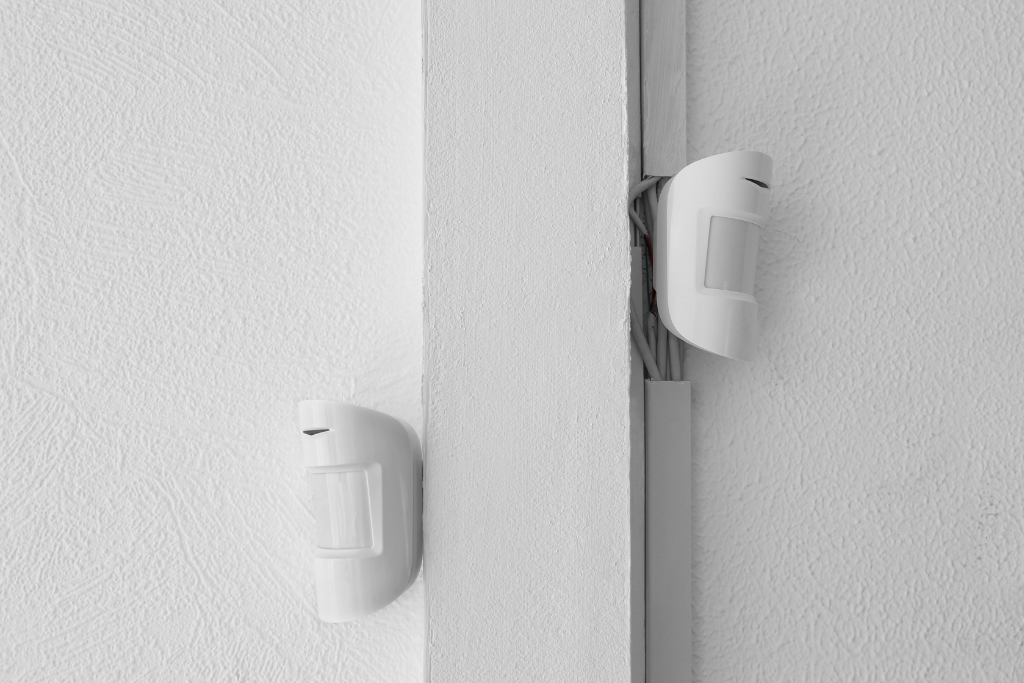
- Motion detectors: Useful for security and automating lights or climate control based on occupancy.
- Water leak sensors: Placed near sinks, toilets, and water heaters, these can alert you to leaks before they cause major damage.
- Smoke and CO detectors: Smart versions send alerts to your phone, ensuring you’re aware of emergencies even when offsite.
- Noise sensors: Monitor for excessive volume, helping you enforce house rules and avoid neighbor complaints.
- Temperature and humidity sensors: Maintain a comfortable environment and prevent issues like mold.
- Rodent and pest detectors: Early alerts can help you address problems before they impact guests.
For a deeper dive into sensor selection, see this comprehensive guide to choosing sensors for smart homes.
Integrating Automation and Alerts
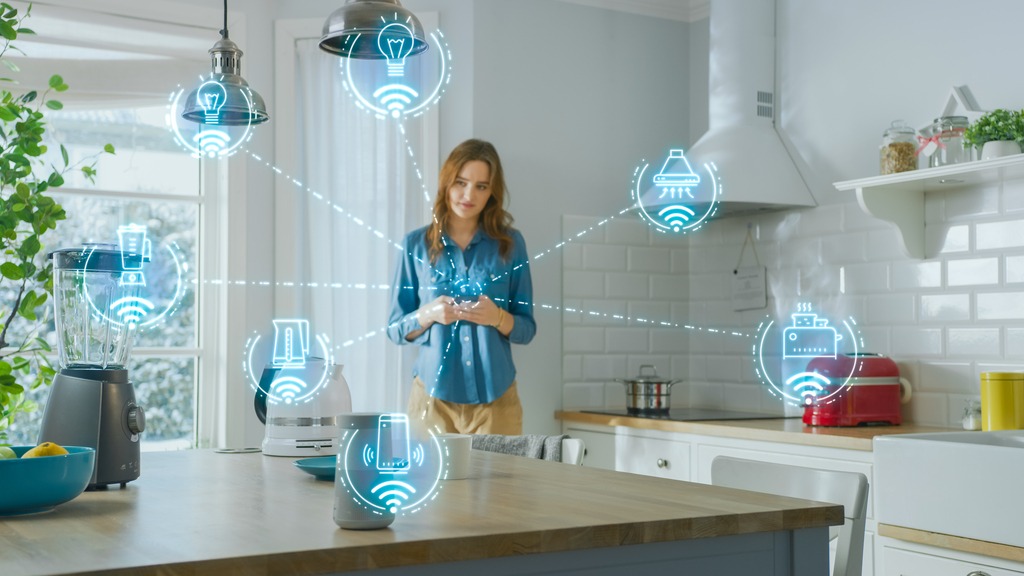
Once you’ve selected your devices, integration is key. Most sensors connect to a central hub or your Wi-Fi network, allowing you to automate actions and receive instant notifications. Here’s how to maximize your setup:
- Centralized dashboard: Use a smart home platform to view sensor status, receive alerts, and control devices remotely.
- Automated routines: Program actions like turning off lights when no motion is detected or adjusting the thermostat when guests check out.
- Instant notifications: Get real-time alerts on your phone for critical events such as leaks, smoke, or unauthorized entry.
- Integration with booking platforms: Some systems can sync with your reservation calendar to automate access codes and adjust settings based on occupancy.
For hosts seeking advanced notification features, the smart alert system for hosts is a valuable resource for instant property notifications.
Access Control and Guest Experience
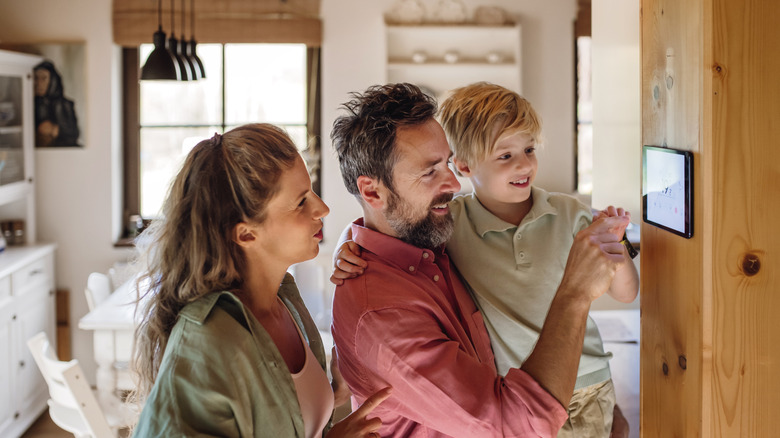
Automating entry and exit is a cornerstone of a tech-enabled rental. Smart locks and access sensors let you manage permissions remotely, eliminating the need for physical keys and enabling self-check-in. Pairing these with occupancy and entry sensors ensures you know when guests arrive and depart, and can even automate welcome lighting or climate settings.
For more on managing permissions and secure entry, see the guide to airbnb smart access control for hosts.
Combining access management with environmental sensors creates a seamless, secure, and comfortable stay for every guest.
Best Practices for Installing and Managing Sensors
To get the most from your airbnb smart home setup sensors, follow these practical tips:
- Strategic placement: Install sensors in high-risk or high-traffic areas—entryways, kitchens, bathrooms, and near HVAC equipment.
- Regular maintenance: Test devices monthly and replace batteries as needed to ensure reliability.
- Respect guest privacy: Clearly communicate what sensors are in use and avoid placing cameras or microphones in private areas.
- Stay updated: Keep software and firmware current to maintain security and compatibility.
- Document your setup: Create a simple guide for guests explaining the benefits and privacy policies of your smart home features.
For properties with multiple entry points, using rental property access sensors can help secure all doors and windows efficiently.
Expanding Your System as Your Portfolio Grows
As your rental business expands, your automation needs may evolve. Look for scalable solutions that allow you to add more sensors and integrate new technologies without starting from scratch. Centralized management platforms and cloud-based dashboards are especially helpful for hosts overseeing several properties.
Investing in modular, interoperable devices ensures your system can adapt to new requirements, regulations, or guest expectations. For those scaling up, revisit scalable rental sensor systems for strategies on future-proofing your smart home investments.
Frequently Asked Questions
What are the most important sensors for a short-term rental?
The most critical devices are entry sensors, smoke and CO detectors, water leak sensors, and noise monitors. These protect your property, ensure guest safety, and help maintain good relationships with neighbors.
How do I ensure guest privacy while using smart sensors?
Only install sensors in common areas and avoid cameras or microphones in private spaces like bedrooms or bathrooms. Always disclose the presence and purpose of all monitoring devices in your listing and guest communications.
Can I automate guest check-in and check-out with smart tech?
Yes, smart locks and access control systems allow you to generate unique codes for each guest and automate entry permissions based on booking dates. Combined with occupancy sensors, you can also automate climate and lighting adjustments for a smooth guest experience.