
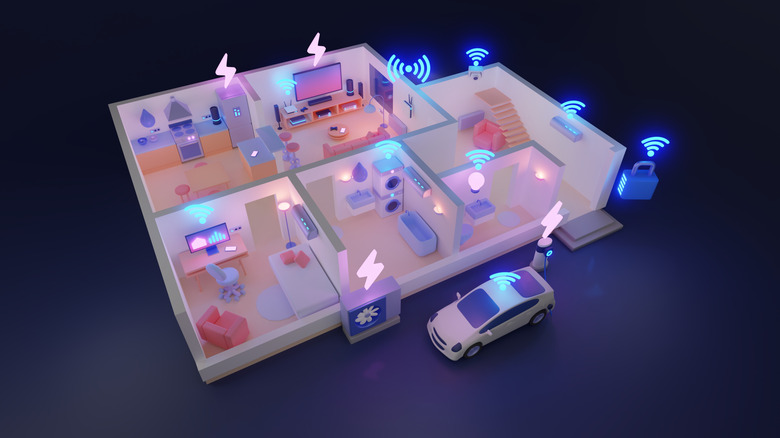

Smart technology is transforming the way landlords and property managers oversee rental homes. With the right sensors and connected devices, you can enhance safety, streamline maintenance, and provide a better experience for tenants—all while protecting your investment. This rental home smart tech guide will help you understand the types of sensors available, how to select the best options for your property, and what to consider before making a purchase.
Whether you manage a single-family rental or a portfolio of vacation homes, integrating smart sensors can reduce risks, lower costs, and add value. We’ll cover key sensor categories, compatibility tips, and practical advice for landlords looking to modernize their properties. For those interested in broader solutions, you may also want to explore smart sensors for vacation homes to monitor your property remotely.
Why Smart Sensors Matter for Rental Properties
Modern rental homes face unique challenges, from security concerns to maintenance issues that can escalate if left undetected. Smart sensors offer a proactive approach, allowing landlords to monitor conditions in real time and respond quickly to problems. Some benefits of using these devices include:
- Enhanced safety for tenants through early detection of smoke, carbon monoxide, or water leaks
- Reduced property damage and repair costs by catching issues early
- Improved energy efficiency and lower utility bills
- Remote monitoring and alerts, even when you or your tenants are away
Choosing the right technology can also make your property more attractive to renters who value convenience and peace of mind.
Types of Smart Sensors to Consider
There is a wide range of sensors available, each designed to address specific needs in a rental environment. Here are some of the most valuable categories to include in your rental home smart tech guide:
Entry and Motion Sensors
These devices detect when doors or windows are opened, or when movement is sensed in a room. They are essential for security and can be integrated with smart locks or alarms. Entry sensors are especially useful for monitoring unauthorized access, while motion detectors can trigger lights or send alerts if unexpected activity occurs.
Smoke and Carbon Monoxide Detectors
Smart smoke and CO detectors provide instant alerts to both tenants and property managers, even when no one is home. Many models offer self-testing features and battery status updates, reducing the risk of undetected failures. Upgrading to connected alarms ensures compliance with safety regulations and adds an extra layer of protection.
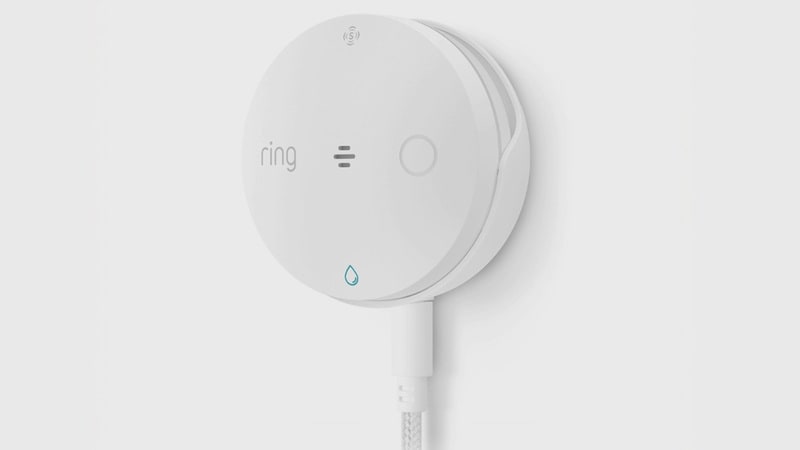
Water Leak and Freeze Sensors
Leaks and frozen pipes can cause significant damage if not addressed quickly. Water sensors placed near appliances, under sinks, or in basements can detect moisture early and send notifications to your phone. Some models can even shut off the water supply automatically, minimizing costly repairs.
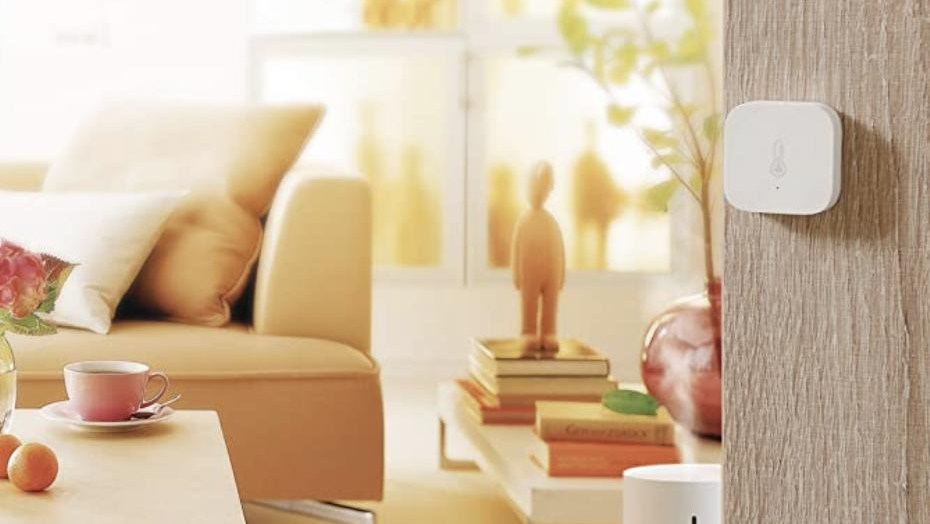
Environmental and Air Quality Monitors
Monitoring temperature, humidity, and air quality helps maintain a healthy living environment. These sensors can alert you to conditions that may lead to mold growth or discomfort, allowing you to take action before tenants complain.
How to Choose the Right Smart Sensors for Your Rental
With so many options available, selecting the best devices for your property can feel overwhelming. Here are some practical tips to help you make informed decisions:
- Assess your property’s needs: Consider the layout, age, and risk factors unique to your rental. Older homes may benefit from leak sensors, while urban apartments might prioritize entry detection.
- Check compatibility: Ensure that sensors work with your preferred smart home platform (such as Alexa, Google Home, or Apple HomeKit). For more details, see this expert review of the best smart home sensors for Alexa.
- Prioritize reliability: Look for devices with strong user reviews, long battery life, and robust connectivity. Wireless options are often easier to install in rental settings.
- Consider tenant privacy: Choose sensors that respect privacy, such as those that monitor environmental factors rather than cameras in living spaces.
- Plan for maintenance: Opt for sensors with low upkeep requirements and clear indicators for battery replacement or troubleshooting.
Installation and Maintenance Tips
Proper installation is key to getting the most out of your smart sensors. Here are some guidelines to follow:
- Read manufacturer instructions carefully and use recommended mounting hardware.
- Test each sensor after installation to confirm it is working and connected to your network.
- Label devices in your smart home app for easy identification.
- Schedule regular checks or ask tenants to report low battery alerts.
- Keep a record of installation dates and warranty information for each device.
For more comprehensive solutions, you might also be interested in exploring the best IoT devices for rental properties for expert recommendations.
Integrating Sensors with Rental Management Tools
Smart sensors are most effective when integrated with property management systems or automation platforms. Many landlords use apps to receive alerts, monitor multiple properties, and share access with tenants or maintenance staff. Some advanced systems allow for automated actions, such as shutting off water when a leak is detected or adjusting thermostats based on occupancy.
For landlords interested in a more comprehensive approach, consider learning about rental property smart monitoring tools for modern landlords, which can help streamline operations and improve tenant satisfaction.
Common Mistakes to Avoid
When adopting smart technology in rental homes, avoid these pitfalls:
- Overlooking compatibility with existing systems or tenant devices
- Neglecting to inform tenants about the presence and function of sensors
- Installing too many devices, which can overwhelm tenants or complicate management
- Ignoring regular maintenance, leading to dead batteries or offline devices
- Failing to update software or firmware, which can leave devices vulnerable to security risks
Frequently Asked Questions
What are the most important smart sensors for rental homes?
The most critical sensors for rental properties typically include smoke and carbon monoxide detectors, water leak sensors, and entry/motion detectors. These devices help protect tenants and property, reduce liability, and provide peace of mind for both landlords and renters.
How can I ensure my smart sensors are compatible with my property?
Check that the devices you select work with your preferred smart home ecosystem (such as Alexa, Google Home, or Apple HomeKit). Read product specifications and reviews, and consider consulting resources like this guide to the best smart home sensors for Alexa for expert advice.
Do I need professional installation for smart sensors?
Most modern sensors are designed for easy DIY installation, especially wireless models. However, for hardwired smoke detectors or integrated security systems, professional installation may be recommended to ensure compliance with safety standards and local regulations.
Incorporating smart sensors into your rental property is a practical way to enhance safety, streamline management, and offer added value to tenants. By following the advice in this rental home smart tech guide, you can select the best devices for your needs and stay ahead in a competitive rental market.