
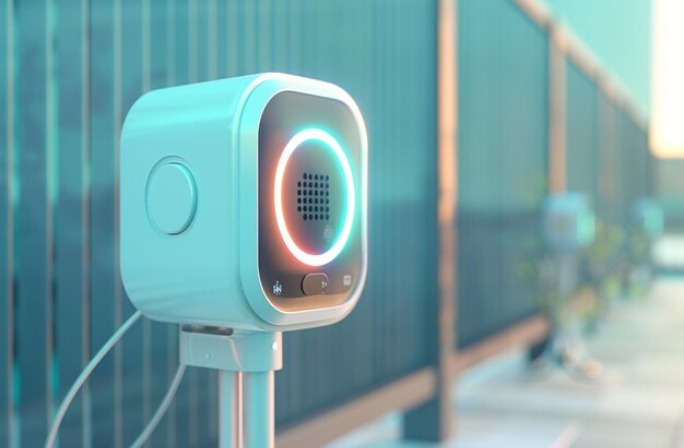

Managing a vacation property from afar comes with unique challenges. Whether you own a lakeside cabin, a mountain retreat, or a beach house, keeping your investment safe and well-maintained is a top priority. Smart sensors for vacation homes offer an effective way to monitor your property remotely, providing real-time alerts and peace of mind even when you’re miles away.
These devices can detect everything from motion and temperature changes to water leaks and smoke, helping you respond quickly to potential issues. With the right setup, you can protect your property, reduce maintenance costs, and ensure a better experience for guests or family members who visit.
For property owners looking to enhance their remote monitoring capabilities, exploring the best iot devices for rental properties can provide valuable insights into the latest technology and expert recommendations.
Why Remote Monitoring Matters for Second Homes
Leaving a vacation property unattended for weeks or months can expose it to risks such as break-ins, water damage, fire, and even pest infestations. Traditional security systems often require manual checks or rely on neighbors, but smart sensors for vacation homes automate the process, sending instant notifications to your smartphone or email.
Key benefits of remote monitoring include:
- Early detection of problems like leaks, smoke, or unauthorized entry
- Reduced insurance claims and repair costs
- Greater convenience and peace of mind
- Ability to monitor multiple properties from a single app
Types of Smart Sensors for Vacation Property Protection
There are several categories of sensors that can help you safeguard your second home. Choosing the right combination depends on your property’s location, climate, and unique vulnerabilities.
Motion and Entry Sensors
Motion detectors and door/window sensors are the foundation of most smart security systems. They alert you if someone enters the property unexpectedly, and can be integrated with cameras or alarms for a more robust solution. For enhanced access control, consider learning about smart entry sensors rental homes to see how these devices improve security and guest management.
Environmental and Air Quality Sensors
Monitoring environmental conditions is especially important for vacation homes that may be vacant for extended periods. Temperature, humidity, and air quality sensors help you detect issues like frozen pipes, mold growth, or poor ventilation before they become major problems.
Water Leak and Flood Sensors
Water damage is a common and costly issue for unoccupied homes. Leak detectors placed near water heaters, under sinks, or in basements can alert you to leaks or flooding, allowing you to take action before significant damage occurs. Some models even integrate with smart shut-off valves to stop water flow automatically.
Smoke and Carbon Monoxide Detectors
Smart smoke and CO detectors go beyond traditional alarms by sending alerts to your phone, so you’re informed even if you’re not on site. These devices are essential for protecting both your property and the safety of guests.
Pest and Rodent Detection
Rodents and pests can cause significant damage if left unchecked. Newer smart rodent detectors can sense movement or droppings and notify you immediately, helping you address infestations early.
Integrating Smart Sensors with Home Automation
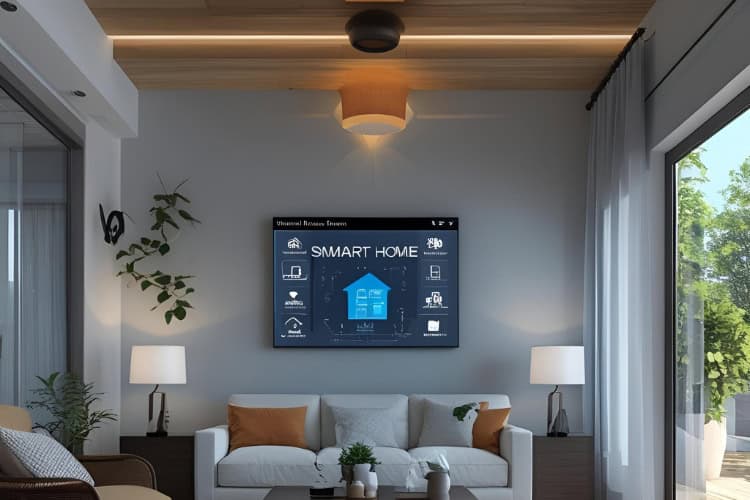
Many modern sensors are compatible with popular smart home platforms, allowing you to automate responses and monitor your property from a single dashboard. For example, you can set up routines that turn on lights when motion is detected, or adjust the thermostat if the temperature drops too low.
Integrating sensors with a rental property iot monitoring system can streamline management and provide a holistic view of your property’s status. This approach is especially valuable for owners managing multiple homes or short-term rentals.
Choosing the Right Sensors for Your Needs
When selecting devices for your vacation home, consider the following factors:
- Connectivity: Ensure your property has reliable Wi-Fi or cellular coverage for real-time alerts.
- Power source: Battery-powered sensors offer flexibility but require periodic maintenance. Hardwired options may be more reliable for long-term use.
- Integration: Choose sensors that work with your preferred smart home ecosystem (such as Google Home, Alexa, or Apple HomeKit).
- Durability: Opt for weather-resistant models if installing outdoors or in damp locations.
- Ease of installation: Many sensors are designed for DIY setup, but professional installation may be beneficial for complex systems.
Maximizing Security and Efficiency with Smart Devices
Combining multiple types of sensors creates a comprehensive safety net for your vacation property. For example, pairing entry sensors with cameras and environmental monitors ensures you’re covered against both security threats and maintenance issues.
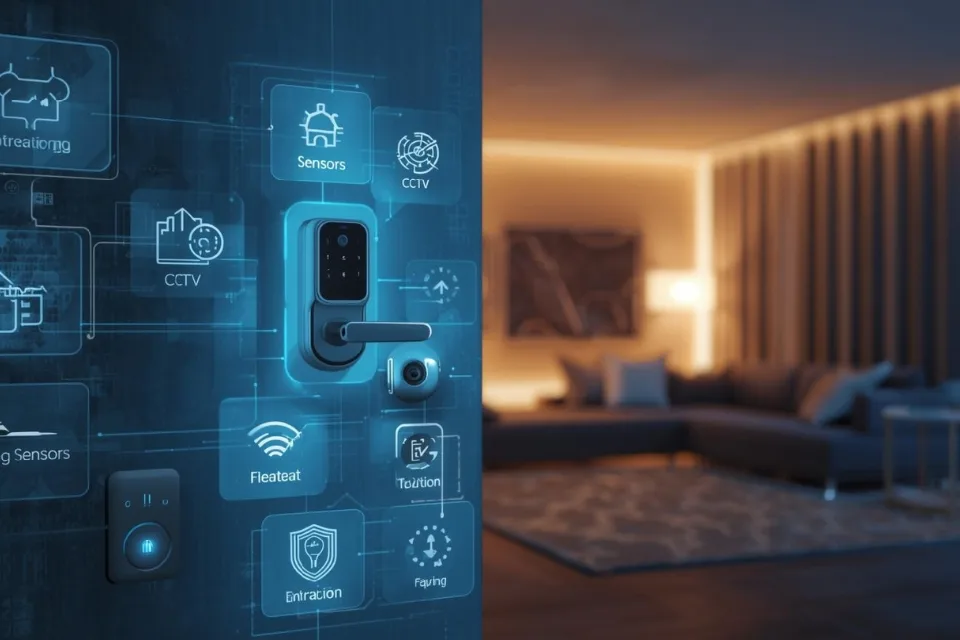
For additional ideas on boosting safety, check out these iot safety devices for rentals that offer maximum protection for short-term and long-term stays alike.
Best Practices for Remote Property Management
To get the most out of your smart sensor setup, follow these tips:
- Test all sensors regularly to ensure they’re working properly.
- Set up automated alerts for multiple contacts (yourself, property manager, or trusted neighbor).
- Review device logs and notifications after storms or extreme weather events.
- Keep firmware and apps updated for security and performance improvements.
- Consider integrating with a smart home automation for airbnb hosts system for added convenience and control.
Frequently Asked Questions
What are the most important smart sensors for vacation homes?
The most critical devices include motion and entry sensors, water leak detectors, smoke and carbon monoxide alarms, and environmental monitors for temperature and humidity. These cover the main risks associated with unattended properties.
Can I install smart sensors myself, or do I need a professional?
Many modern sensors are designed for easy DIY installation, with wireless connectivity and simple mounting options. However, for more complex setups or integration with existing systems, professional installation may be beneficial.
How do smart sensors send alerts when I’m not at the property?
These devices use Wi-Fi or cellular networks to send notifications to your smartphone, email, or a central monitoring service. As long as your property has internet access, you can receive real-time updates from anywhere.
Conclusion
Investing in smart sensors for vacation homes is a practical way to protect your property, minimize risks, and enjoy greater peace of mind. By selecting the right combination of devices and integrating them with your preferred automation platform, you can monitor your second home efficiently and respond quickly to any issues that arise.
For a deeper dive into essential devices, see this guide to must-have smart home sensors for additional recommendations and tips.