
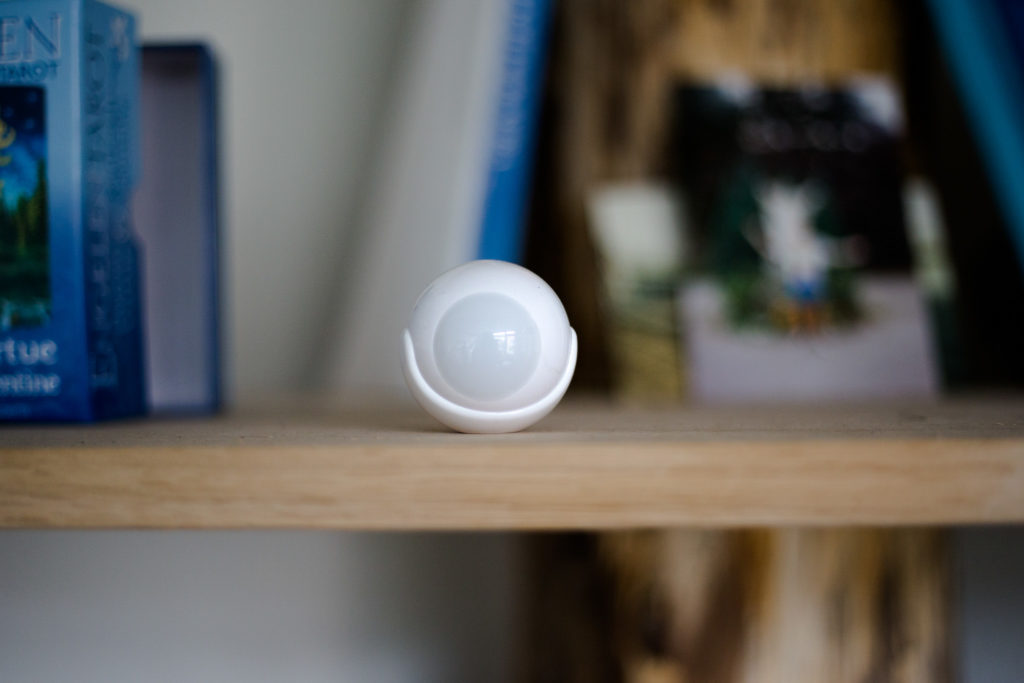

Managing rental properties has evolved rapidly in recent years, with technology offering new ways to simplify oversight, boost security, and improve tenant satisfaction. Rental property smart monitoring tools are now essential for landlords who want to stay competitive, protect their investments, and provide a modern living experience. These solutions range from intelligent sensors and automated alerts to integrated platforms that streamline property management.
In this guide, we’ll explore the most effective smart monitoring options available, how they benefit both landlords and tenants, and what to consider when integrating these tools into your rental units. We’ll also highlight expert resources and practical advice for making the most of connected technology in property management.
For those interested in a deeper dive into the technology behind these solutions, the best IoT devices for rental properties are reviewed in detail by industry experts, offering practical recommendations for landlords at every scale.
Why Smart Monitoring Is Transforming Rental Management
Modern landlords face unique challenges, from ensuring property safety to minimizing maintenance costs and responding quickly to tenant concerns. Smart monitoring solutions for rentals address these needs by providing real-time data, automated alerts, and remote control over critical systems. This not only saves time but also helps prevent costly incidents, such as water leaks or unauthorized access.
Key benefits of adopting intelligent monitoring include:
- Enhanced security through motion sensors, entry alerts, and surveillance integration
- Reduced maintenance costs by detecting problems early, such as leaks or HVAC issues
- Improved tenant experience with quick responses to issues and safer living environments
- Remote oversight for landlords managing multiple properties or operating from a distance
Types of Rental Property Smart Monitoring Tools
There’s a wide array of smart devices and platforms designed specifically for rental property oversight. Here are some of the most impactful categories:
1. Smart Entry and Access Control
Keyless entry systems, smart locks, and entry sensors allow landlords to manage access remotely and provide temporary codes for tenants, cleaners, or contractors. These systems can log entry times and alert you to unauthorized access attempts. For a focused look at access solutions, see the guide on smart entry sensors for rental homes.
2. Environmental and Safety Sensors
Devices such as smoke detectors, carbon monoxide alarms, water leak sensors, and temperature monitors are essential for protecting property and tenants. Many of these tools send instant alerts to your phone, allowing for rapid response and minimizing damage or risk.
3. Motion and Occupancy Sensors
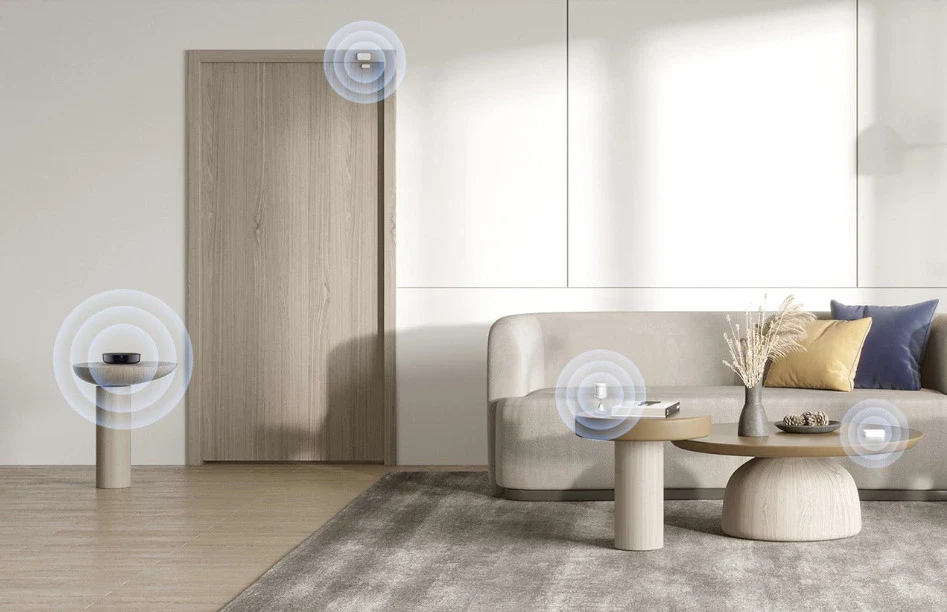
Motion detectors and occupancy sensors help monitor activity in common areas, detect unauthorized guests, or optimize energy usage by controlling lighting and HVAC systems. These devices are particularly useful for short-term rentals and multi-unit buildings.
For a comprehensive overview of how these sensors work and their role in automation, review this guide to smart sensors and their role in home automation.
4. Integrated IoT Platforms
Centralized platforms allow landlords to manage multiple devices and properties from a single dashboard. These systems can automate alerts, generate maintenance reports, and provide analytics for optimizing operations. For those seeking a streamlined approach, the rental property IoT monitoring system offers insights into efficient management solutions.
Choosing the Right Smart Monitoring Devices
When selecting smart monitoring tools for rental properties, consider the following factors:
- Compatibility with existing infrastructure and other smart devices
- Ease of installation—wireless solutions are often ideal for rentals
- Remote access and mobile app support for real-time monitoring
- Data privacy and compliance with local regulations
- Cost-effectiveness and scalability for multiple units
It’s also wise to consult with tenants about any planned upgrades, ensuring transparency and compliance with privacy laws. Many renters appreciate the added safety and convenience, but clear communication is key.
Integrating Smart Technology with Property Management
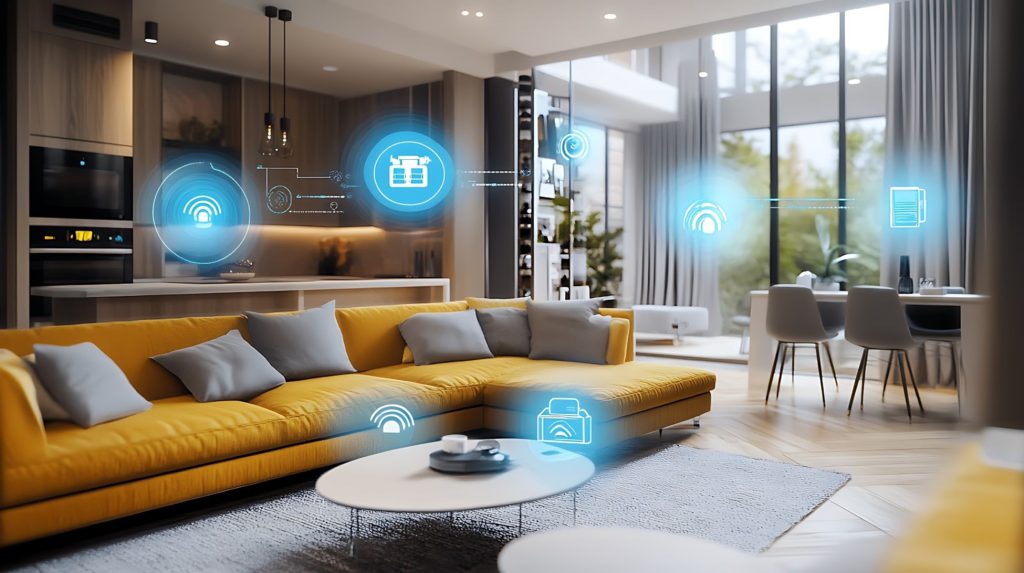
Adopting rental property smart monitoring tools is most effective when combined with broader property management practices. Many landlords integrate these devices with digital lease management, automated rent collection, and maintenance scheduling platforms. This holistic approach streamlines operations and enhances both security and tenant satisfaction.
For landlords focused on maximizing safety, the article on IoT safety devices for rentals provides additional recommendations for comprehensive protection.
Short-term rental hosts, such as those on Airbnb, can also benefit from automation. Smart thermostats, lighting controls, and entry systems help reduce manual tasks and improve guest experiences. More details can be found in the resource on smart home automation for Airbnb hosts.
Best Practices for Landlords Using Smart Monitoring
- Inform tenants about any installed monitoring devices and their purpose
- Respect privacy by avoiding surveillance in private areas and following legal guidelines
- Regularly test and maintain devices to ensure reliability
- Stay updated on new technologies and security patches
- Document incidents and responses for insurance and compliance purposes
By following these practices, landlords can build trust with tenants and maximize the value of their smart investments.
FAQ
Are smart monitoring devices allowed in all rental properties?
Most smart sensors and monitoring tools are permitted, but landlords must comply with local privacy laws and inform tenants about any devices that collect data. Surveillance in private areas is generally prohibited, so always check regulations before installation.
How do smart monitoring tools help reduce maintenance costs?
Early detection of issues like leaks, smoke, or pest activity allows for prompt intervention, preventing expensive repairs and minimizing property damage. Automated alerts mean landlords can respond quickly, even if they manage properties remotely.
Can smart monitoring systems be integrated with other property management software?
Yes, many modern platforms offer integration with lease management, payment processing, and maintenance scheduling tools. This creates a seamless workflow for landlords and property managers, improving efficiency and tenant satisfaction.
Where can I learn more about the technology behind smart sensors?
For a technical overview, see this guide to smart sensors and their role in home automation, which explains how these devices work and their benefits in home and rental settings.