
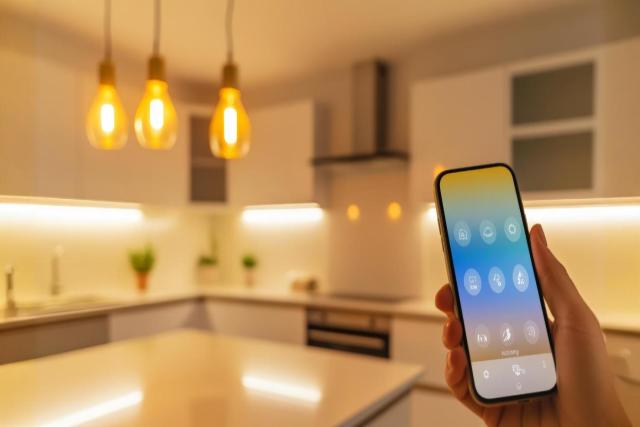

Property managers and rental owners are increasingly turning to smart sensors to streamline operations, reduce costs, and enhance the guest experience. The right technology can automate routine tasks, detect issues early, and provide valuable insights into property usage. This guide explores the most effective sensor solutions for rental properties, from environmental monitoring to security and maintenance, helping you select the best fit for your needs.
Adopting advanced monitoring tools not only improves efficiency but also supports compliance and safety. For those navigating local regulations, understanding zoning is crucial—resources like the airbnb zoning strategy for investors article offer valuable guidance for short-term rental operators.
Why Smart Sensors Matter for Rental Properties
Integrating smart sensors into rental units delivers several advantages. These devices automate essential functions, such as temperature control, leak detection, and security, minimizing manual intervention. For property owners and managers, this means fewer emergencies, reduced maintenance costs, and improved guest satisfaction.
- Operational efficiency: Automate tasks like HVAC adjustments, lighting, and appliance monitoring.
- Preventive maintenance: Detect leaks, smoke, or unusual activity before they escalate into costly problems.
- Energy savings: Optimize energy use with occupancy and environmental sensors.
- Enhanced safety: Monitor for smoke, carbon monoxide, or unauthorized access in real time.
Choosing the right technology can be complex. For a detailed breakdown of sensor types and their applications, check out this comprehensive guide to selecting sensors.
Top Categories of Smart Sensors for Rental Efficiency
There are several types of smart sensors that can significantly improve operational workflows in rental properties. Each serves a distinct purpose, from environmental monitoring to security and maintenance.
Environmental Monitoring Devices
These sensors track temperature, humidity, and air quality to ensure a comfortable and safe environment for guests. Automated climate control can reduce energy bills and prevent issues like mold or excessive dryness.
- Temperature and humidity sensors: Maintain optimal indoor conditions and alert you to sudden changes.
- Air quality monitors: Detect pollutants, allergens, or carbon monoxide for health and safety.

Leak and Flood Detection
Water damage is a costly risk for any rental property. Smart leak sensors placed near sinks, water heaters, and appliances can detect moisture early, sending instant alerts to prevent major incidents.
- Wireless leak detectors: Monitor basements, bathrooms, and kitchens for early signs of leaks.
- Automated shut-off valves: Integrate with sensors to stop water flow when a leak is detected.
Security and Access Control
Protecting your property and guests is a top priority. Smart security sensors can monitor doors, windows, and common areas, alerting you to unauthorized access or unusual activity.
- Door/window sensors: Notify you when entry points are opened or closed unexpectedly.
- Motion detectors: Enhance security in vacant units or shared spaces.
- Smart locks: Allow remote access management and track entry logs for added peace of mind.
How to Choose the Right Smart Sensors for Your Rental
With a wide array of options, selecting the most suitable smart sensors for rentals depends on your property type, guest profile, and operational goals. Consider these factors when evaluating sensor solutions:
- Property layout: Larger or multi-unit properties may require a network of sensors for comprehensive coverage.
- Integration: Look for devices compatible with your existing property management system or smart home hub.
- Ease of installation: Wireless, battery-powered sensors are ideal for rentals, minimizing disruption and maintenance.
- Remote monitoring: Choose solutions that offer real-time alerts and remote access via mobile apps or dashboards.
- Compliance and safety: Ensure devices meet local regulations, especially for smoke, carbon monoxide, and security monitoring.
For those operating in suburban or small-town areas, understanding local zoning and compliance is essential. The airbnb zoning for suburban areas guide provides helpful insights for adapting your rental strategy.
Popular Smart Sensor Solutions for Rental Properties
Here are some of the most widely adopted sensor types and their benefits for rental operators:
| Sensor Type | Primary Benefit | Ideal Placement |
|---|---|---|
| Smoke & CO Detectors | Safety compliance, early hazard detection | Bedrooms, hallways, kitchens |
| Leak Sensors | Prevent water damage, reduce repair costs | Bathrooms, kitchens, basements |
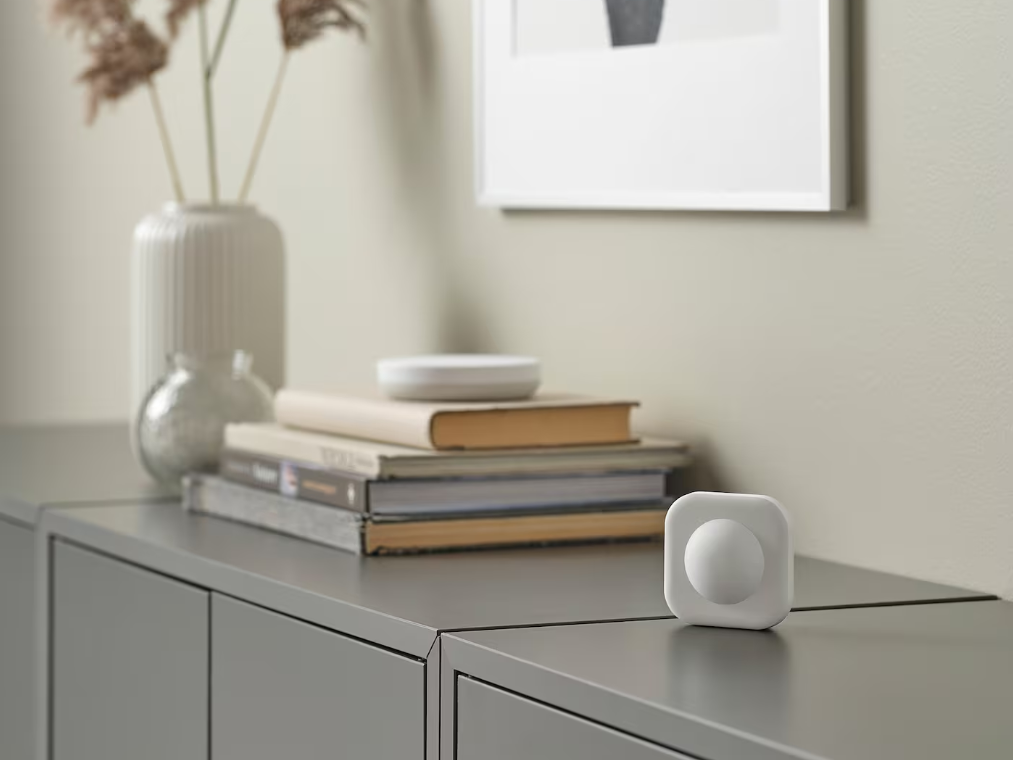
| Motion Detectors | Security, energy management | Entryways, common areas |
| Temperature/Humidity Sensors | Guest comfort, mold prevention | Living areas, bedrooms |
| Rodent Detectors | Early pest detection, maintain hygiene | Basements, kitchens, storage rooms |
Maximizing ROI with Smart Sensors
Investing in the best smart sensors for rentals can yield significant returns by reducing operational costs, minimizing downtime, and improving guest reviews. Automated alerts and real-time data empower managers to act quickly, preventing minor issues from becoming major expenses. Over time, the savings on maintenance and utilities can offset the initial investment in technology.
For further reading on optimizing your rental operations, the short term rental zoning best practices resource can help you align your technology strategy with local requirements.
FAQ
What are the most important smart sensors for rental properties?
The most critical devices include smoke and carbon monoxide detectors, leak sensors, motion detectors, and temperature/humidity monitors. These address safety, maintenance, and guest comfort, making them essential for efficient property management.
How do smart sensors help reduce maintenance costs?
By providing early warnings for leaks, smoke, or unauthorized access, these devices allow managers to address issues before they escalate. This proactive approach prevents costly repairs and property damage, saving money in the long run.
Can smart sensors be installed in existing rental units?
Yes, most modern devices are wireless and battery-powered, making them easy to install in both new and existing properties. Many can be set up without professional help, and they often integrate with popular smart home platforms for seamless management.