
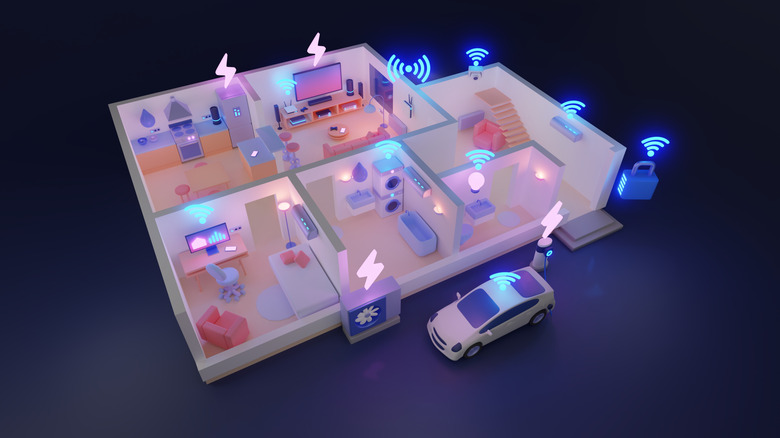

Property managers and landlords are increasingly turning to smart rental sensors to streamline operations, enhance tenant safety, and protect their investments. These intelligent devices offer real-time monitoring, automation, and alerts that help prevent costly damages and improve the rental experience for both owners and residents. Whether you manage a single-family home, a multi-unit building, or a portfolio of short-term rentals, adopting the right sensor technology can make a significant difference in efficiency and peace of mind.
In this guide, we’ll explore the most effective sensor solutions for rental properties, highlight their practical benefits, and provide tips for selecting and deploying these tools. For those interested in regulatory considerations, strategies like the airbnb zoning strategy for investors can also play a role in how you implement smart technology in your rentals.
Why Smart Sensors Are Essential for Rental Properties
Modern rental management is about more than collecting rent and handling maintenance requests. Today’s property owners face challenges such as unauthorized guests, potential water leaks, fire hazards, and even pest infestations. Smart rental sensors address these issues by providing:
- 24/7 Monitoring: Receive instant alerts for smoke, leaks, or unusual activity.
- Preventive Maintenance: Detect issues early to avoid expensive repairs.
- Enhanced Security: Monitor entry points and common areas for unauthorized access.
- Compliance Support: Meet insurance and local safety requirements more easily.
By integrating these devices, landlords can reduce liability, improve tenant satisfaction, and maintain property value.
Types of Smart Sensors for Rentals
There is a wide range of sensor technologies designed for property management. Here are the most impactful categories:
- Smoke and Carbon Monoxide Detectors: Essential for safety, these sensors send alerts to both tenants and property managers if smoke or CO is detected.
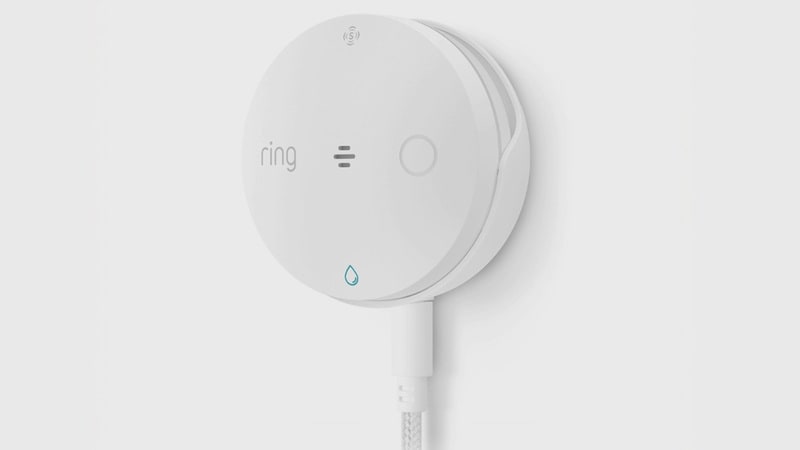
- Water Leak Detectors: Placed near appliances, sinks, or basements, these sensors help prevent water damage by alerting you to leaks before they become disasters.
- Entry and Motion Sensors: Monitor doors, windows, and hallways to detect unauthorized access or movement.
- Noise and Occupancy Sensors: Useful for short-term rentals, these devices can alert managers to parties or extra guests, helping enforce house rules.
- Rodent and Pest Detectors: Smart pest sensors can identify rodent activity, allowing for quick intervention before infestations spread.
Top Features to Look for in Rental Property Sensors
Not all sensor systems are created equal. When evaluating options for your rental units, consider these important features:
- Remote Access: Choose sensors that connect to a mobile app or web dashboard for real-time updates and control.
- Integration Capabilities: Look for devices compatible with smart home platforms like Alexa, Google Home, or Apple HomeKit.
- Battery Life and Power Options: Long-lasting batteries or hardwired options reduce maintenance hassles.
- Automated Alerts: Ensure the system sends notifications via SMS, email, or app push notifications.
- Data Logging: Historical data can help identify recurring issues and demonstrate compliance with safety standards.
For a deeper dive into the best options, consult trusted resources like this comprehensive review of smart home sensors for Alexa.
How to Deploy Smart Sensors in Your Rentals
Implementing smart rental sensors is straightforward, but a strategic approach ensures maximum benefit:
- Assess Property Needs: Identify high-risk areas such as kitchens, bathrooms, basements, and entry points.
- Select Appropriate Devices: Match sensor types to each area’s risk profile (e.g., water leak detectors near washing machines).
- Install and Test: Follow manufacturer instructions for placement and connectivity. Test each device to confirm functionality.
- Educate Tenants: Inform residents about the presence and purpose of sensors to avoid confusion and encourage cooperation.
- Monitor and Maintain: Regularly check sensor status and replace batteries or devices as needed.
For those managing short-term rentals, integrating these devices with property management software can further automate alerts and reporting.
Integrating Sensors with Zoning and Compliance Strategies
As local regulations evolve, especially for short-term rentals, ensuring compliance is crucial. Smart sensors can help document adherence to safety codes and occupancy limits. For example, noise and occupancy sensors can provide data to support compliance with local ordinances. If you’re operating in areas with specific rules, resources like short term rental zoning best practices offer valuable guidance for integrating technology within the legal framework.
Benefits for Landlords and Tenants
Deploying smart technology in rental properties delivers advantages for both property owners and residents:
- Reduced Risk: Early detection of hazards minimizes costly repairs and insurance claims.
- Improved Tenant Experience: Tenants appreciate proactive safety measures and prompt maintenance responses.
- Operational Efficiency: Automation and remote monitoring save time and reduce manual inspections.
- Competitive Advantage: Smart-enabled rentals attract tech-savvy tenants and can command higher rents.
These benefits make sensor adoption a smart investment for anyone managing rental properties in today’s market.
FAQ: Smart Sensors for Property Management
What types of smart sensors are most important for rental properties?
The most critical devices include smoke and carbon monoxide detectors, water leak sensors, entry and motion sensors, and noise or occupancy monitors. These address the primary risks in rental housing and help ensure tenant safety.
How do smart rental sensors help with regulatory compliance?
Many local regulations require working smoke and CO detectors, and some areas have rules about noise or guest limits. Smart sensors provide digital records and instant alerts, making it easier to prove compliance and respond quickly to issues.
Can these devices be installed in both short-term and long-term rentals?
Yes, smart sensors are suitable for all types of rental properties. In short-term rentals, they can help enforce house rules and protect against damage, while in long-term leases, they offer ongoing safety and maintenance benefits.
Are there privacy concerns with installing sensors in rentals?
Privacy is important. Avoid placing cameras or audio recording devices in private spaces. Focus on safety sensors (smoke, CO, leak) and use occupancy or noise sensors that respect privacy by only measuring decibel levels or motion, not recording conversations or video in living areas.
Conclusion
Adopting smart rental sensors is a practical step for modern property managers and landlords. These devices offer real-time insights, automate critical alerts, and help maintain compliance with safety standards. By selecting the right mix of sensors and integrating them into your property management strategy, you can protect your investment, satisfy tenants, and stay ahead in a competitive rental market.