

The rise of short-term rental (STR) automation has transformed how property owners manage their listings, streamline guest experiences, and reduce manual tasks. Smart devices—like thermostats, door locks, and sensors—promise efficiency and convenience. However, as more hosts adopt these technologies, a set of challenges has emerged that can impact both operations and guest satisfaction.
Understanding the common issues with STR automation is essential for anyone looking to integrate smart technology into their rental business. By anticipating potential pitfalls, hosts can make informed decisions, minimize disruptions, and maximize the benefits of automation. For those also navigating local regulations, resources like the airbnb zoning strategy for investors can provide valuable context for compliance and planning.

Connectivity and Network Reliability Challenges
One of the most frequent pain points in automated rental properties is unreliable internet connectivity. Most smart devices rely on a stable Wi-Fi connection to function properly. If the network drops, guests may lose access to smart locks, climate control, or security systems, leading to frustration and potential safety concerns.
- Smart locks may become unresponsive, locking out guests or staff.
- Thermostats and lighting controls can revert to default settings or become inaccessible remotely.
- Security cameras and sensors may stop recording or sending alerts.
To mitigate these risks, consider investing in high-quality routers, mesh Wi-Fi systems, and backup solutions like cellular hotspots. Regularly test the network and provide clear instructions for guests in case of connectivity issues.
Device Compatibility and Integration Problems
Another significant hurdle involves integrating devices from different brands or ecosystems. Not all smart home products communicate seamlessly, which can result in fragmented control and inconsistent performance.
For example, a smart thermostat from one manufacturer may not sync with a door lock or lighting system from another. This can complicate automation routines and make it harder to manage the property remotely.
Before purchasing devices, research compatibility and consider platforms that support a wide range of products, such as those based on open home automation standards. Using a central hub or unified app can also simplify management and reduce technical headaches.
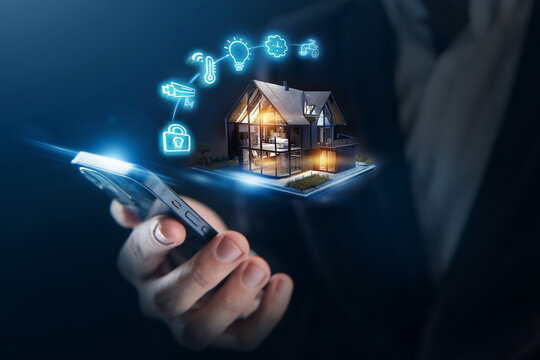
Guest Experience and Usability Concerns
While automation can enhance convenience, it can also introduce complexity for guests unfamiliar with smart technology. Complicated interfaces, unclear instructions, or unexpected device behavior can lead to negative reviews and increased support requests.
- Guests may struggle to adjust smart thermostats or lighting if the controls are not intuitive.
- Automated check-in processes can be confusing if instructions are not clear or if the system malfunctions.
- Unexpected device notifications or alarms may disrupt the stay.
To improve guest satisfaction, provide simple, step-by-step guides for all automated features. Consider offering a printed or digital manual in the property. Regularly review guest feedback to identify recurring pain points and update instructions as needed.
Security and Privacy Risks in Automated Rentals
The integration of smart devices in rental properties raises important security and privacy considerations. Devices that are not properly secured can be vulnerable to hacking, unauthorized access, or data breaches.
- Weak passwords or outdated firmware can expose devices to cyber threats.
- Improperly configured cameras or microphones may raise privacy concerns for guests.
- Failure to reset devices between guests can result in previous users retaining access.
Protect your property and your guests by using strong, unique passwords for each device, enabling two-factor authentication where possible, and keeping all firmware up to date. Always reset devices between stays and clearly communicate your privacy policy to guests.
Maintenance, Updates, and Long-Term Reliability
Like any technology, smart devices require ongoing maintenance and occasional updates. Over time, hardware can fail, batteries may need replacement, and software updates may be necessary to patch vulnerabilities or add features.
Neglecting maintenance can lead to device malfunctions, reduced efficiency, or even safety hazards. Establish a regular schedule to check batteries, test device functionality, and apply updates. Keeping a log of maintenance activities can help you stay organized and proactive.
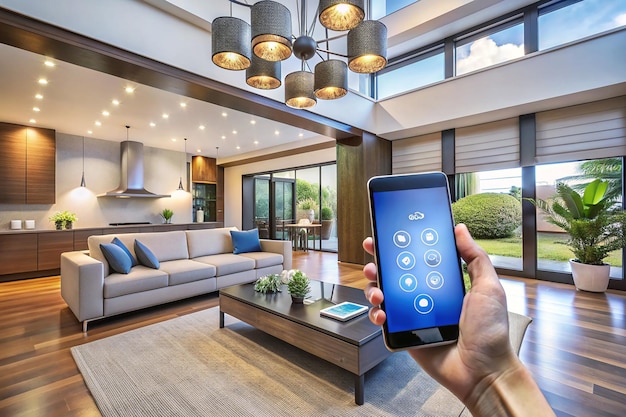
Legal and Regulatory Considerations for Automated STRs
As automation becomes more prevalent, local laws and regulations are evolving to address privacy, safety, and zoning concerns. Hosts must ensure that their use of smart technology complies with all relevant rules, including those governing surveillance devices and guest consent.
Staying informed about local requirements is crucial. Resources like short term rental zoning best practices can help hosts navigate these complexities and avoid legal pitfalls.
Best Practices for Minimizing Automation Issues
To reduce the impact of automation challenges, consider these practical steps:
- Choose devices with proven reliability and strong customer support.
- Standardize on a single ecosystem or platform where possible to simplify integration.
- Test all automation features before each guest stay.
- Provide clear, accessible instructions for guests.
- Regularly review and update security settings.
- Stay informed about local regulations and update your practices as needed.
By proactively addressing these areas, hosts can enjoy the benefits of smart automation while minimizing disruptions and maintaining a positive guest experience.
FAQ: Troubleshooting and Understanding STR Automation
What should I do if a smart lock stops working during a guest stay?
If a smart lock becomes unresponsive, first check the Wi-Fi connection and ensure the device has power. Provide guests with an alternative entry method if possible, such as a backup physical key. Contact the device manufacturer’s support if the issue persists.
How can I ensure guest privacy with smart home devices?
Only install cameras or microphones in public areas, never in private spaces like bedrooms or bathrooms. Clearly disclose all devices in your listing and guest materials. Reset devices between stays to remove previous access and data.
Are there specific regulations for using automation in short-term rentals?
Many regions have rules regarding surveillance, guest consent, and data privacy. Always check local laws before installing devices and review resources like airbnb zoning legislation updates to stay compliant.
How often should I update or maintain my smart devices?
Schedule maintenance checks at least every few months. Replace batteries as needed, test device functionality before each guest, and apply firmware updates promptly to ensure security and reliability.